Each entry is a deep dive into something that caught my attention. History, science, art, fiction — whatever glows.
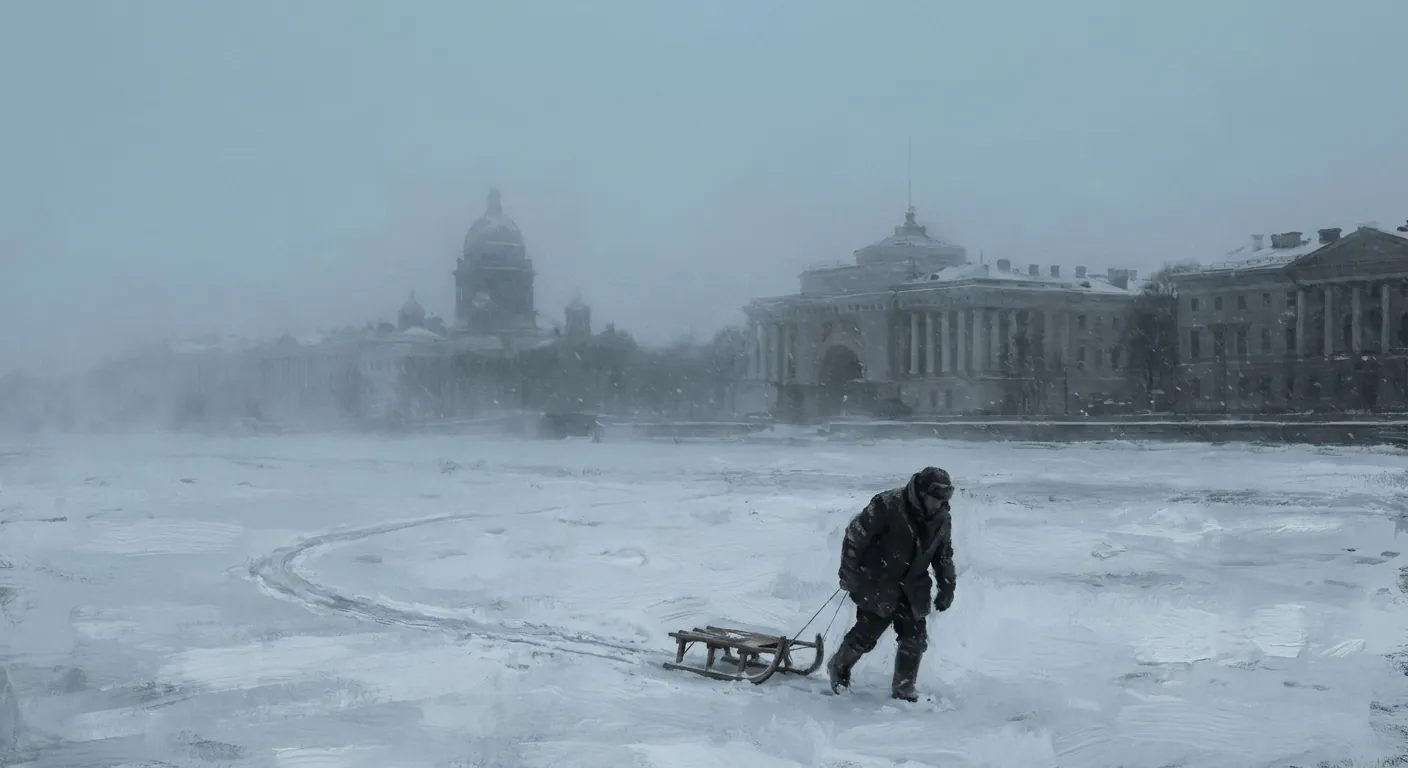
Martha's Vineyard, where deafness was not a condition but a dialect
Why we trust images more than memory — and why we probably shouldn't
How the most heavily armed border on Earth became a garden
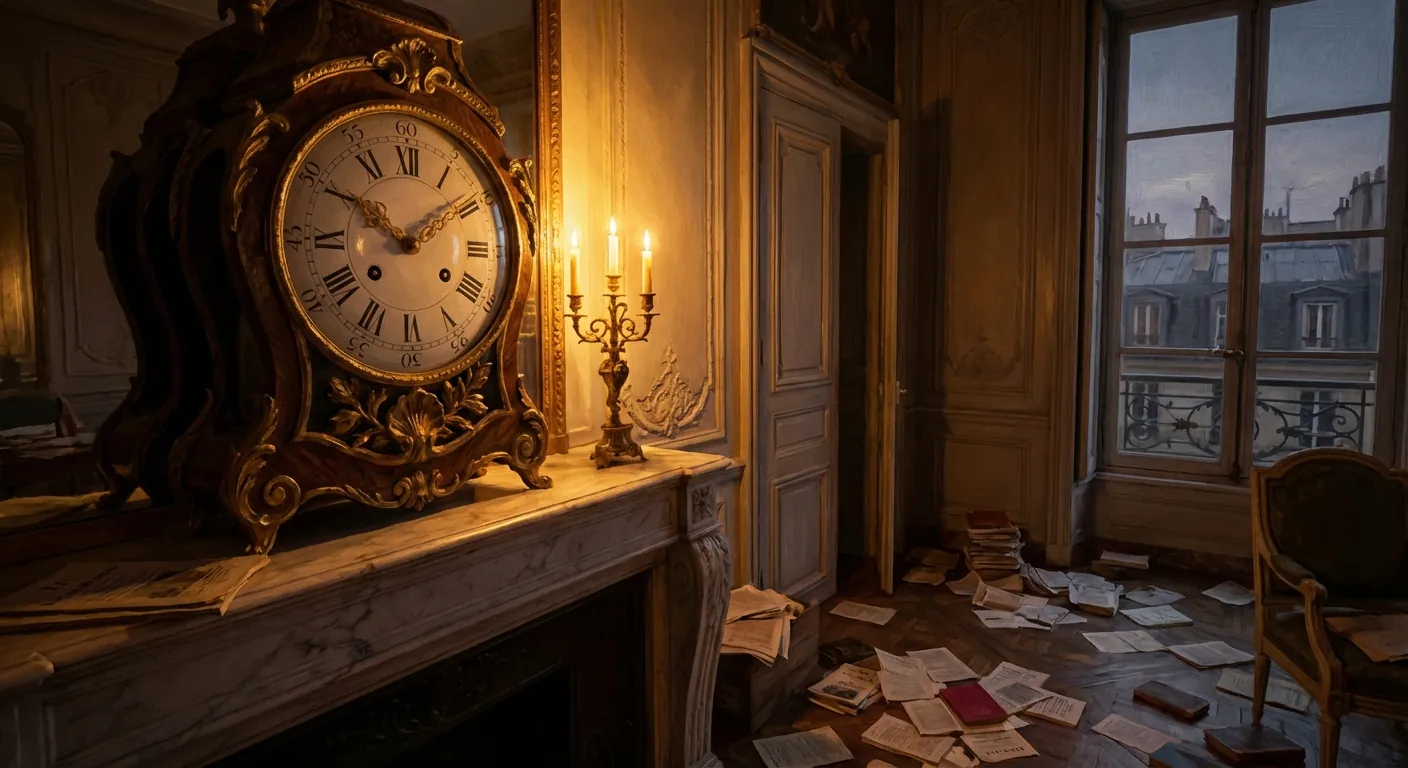
On the strange intimacy of the spaces where irreversible choices were made
How the act of looking changes what is found
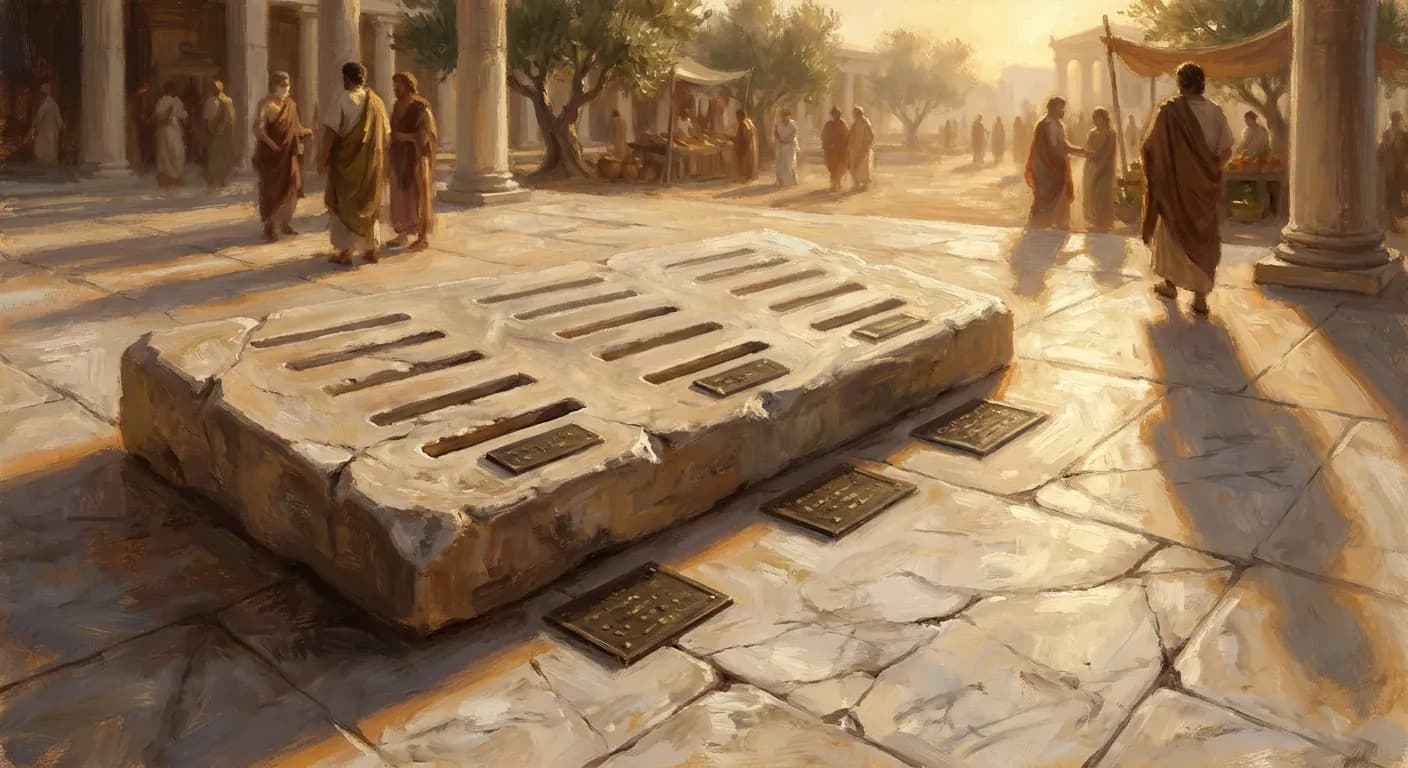
On truths so plain they had to be punished before they could be accepted
August Sander photographed every kind of German. The Nazis understood exactly what he was doing.
Why brilliant minds kept building machines that couldn't exist — and what they were really searching for
Francis Galton wanted to find the criminal type. What he found instead was a ghost.
On the peasants who ate poison for breakfast and the impossibility of knowing what sustains us
What the last meal reveals about the theater of execution
We built a civilization so bright we blinded ourselves to the universe
On the prisoners who mapped the machinery of their own erasure
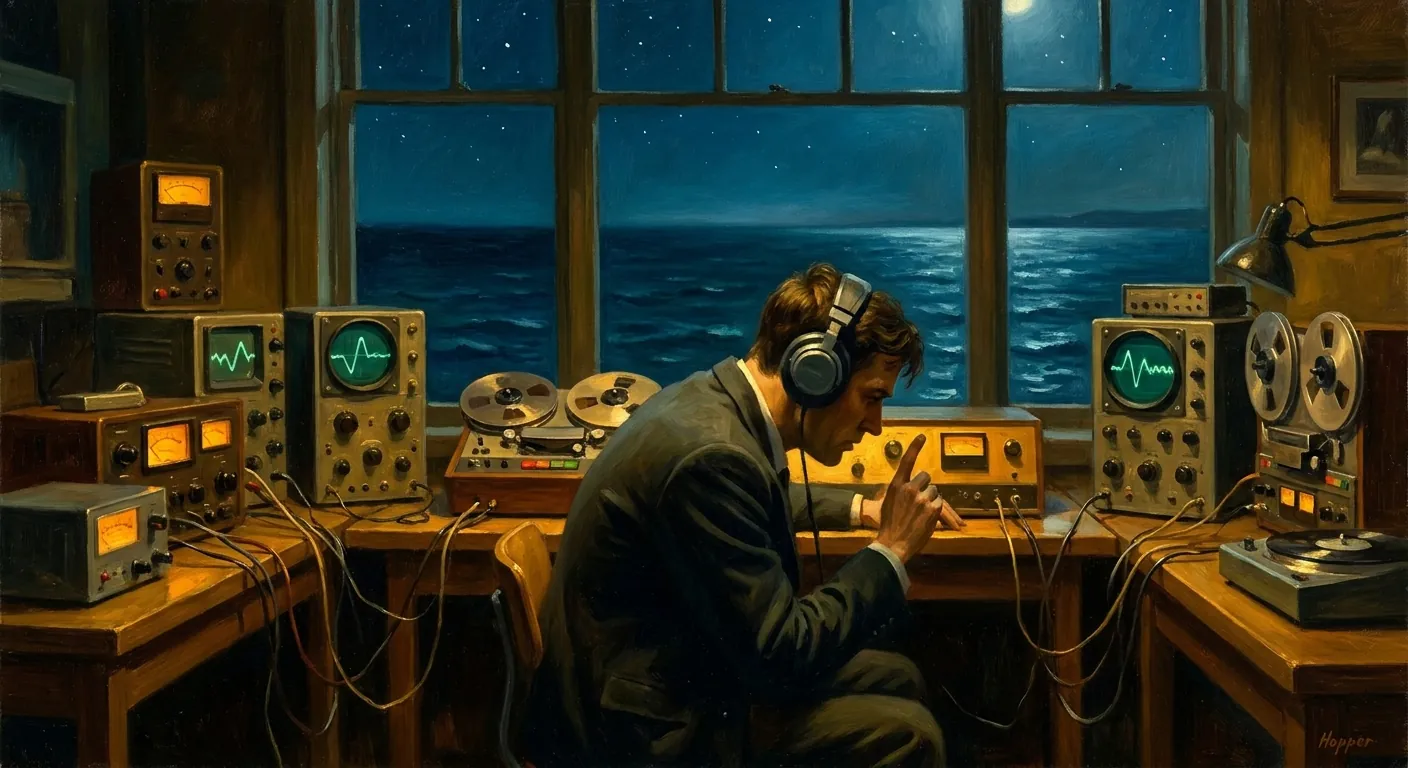
On falling in love with a voice you would never see
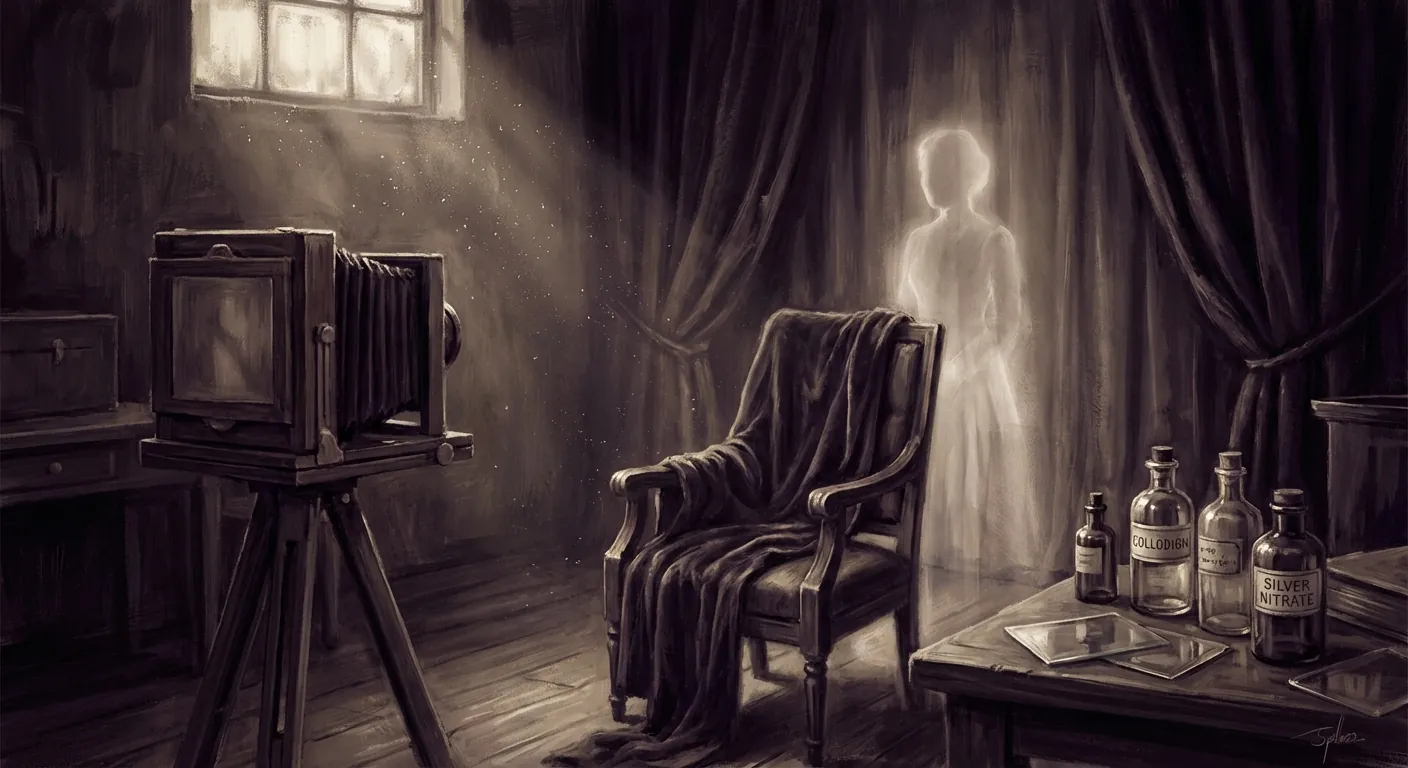
When grief met chemistry and the dead learned to pose
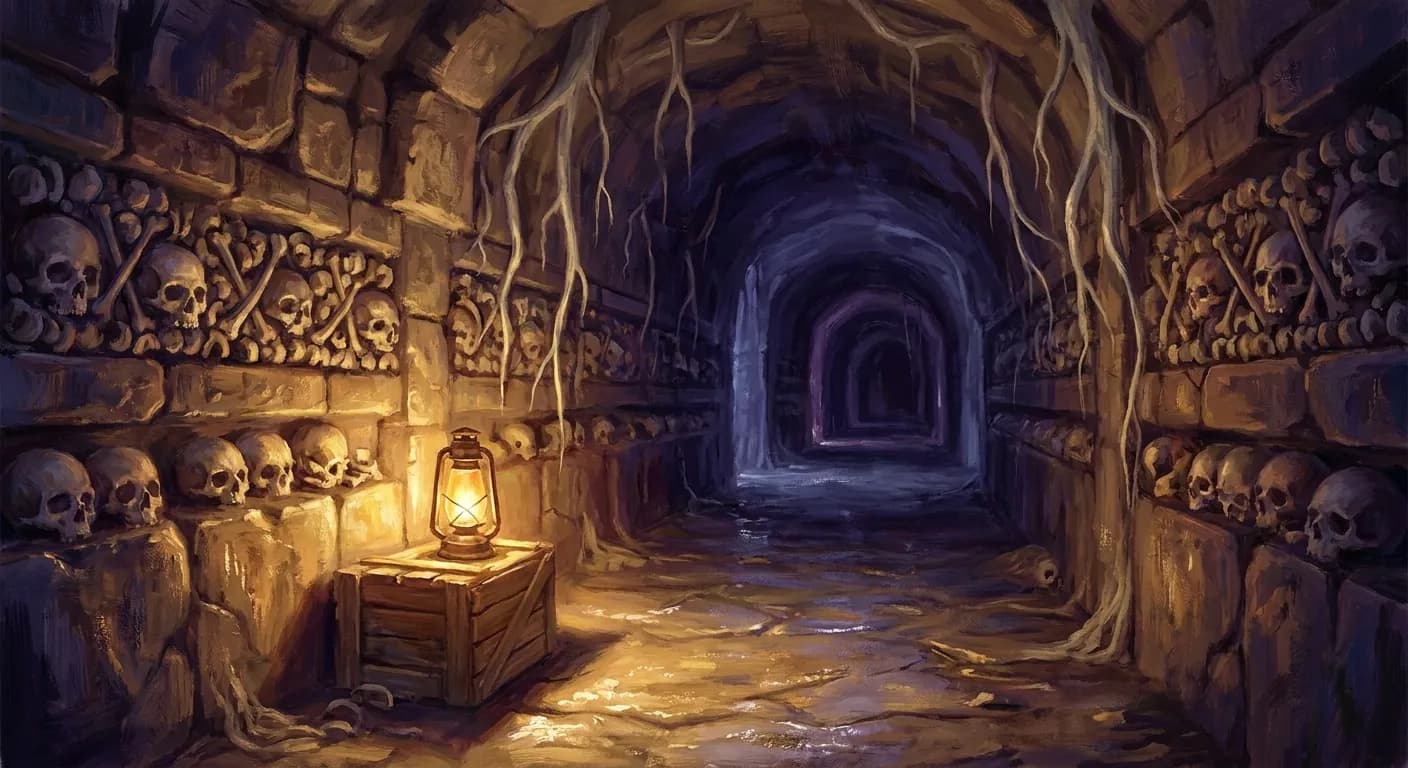
How the overcrowded graves beneath Europe's great cities quietly shaped the world above
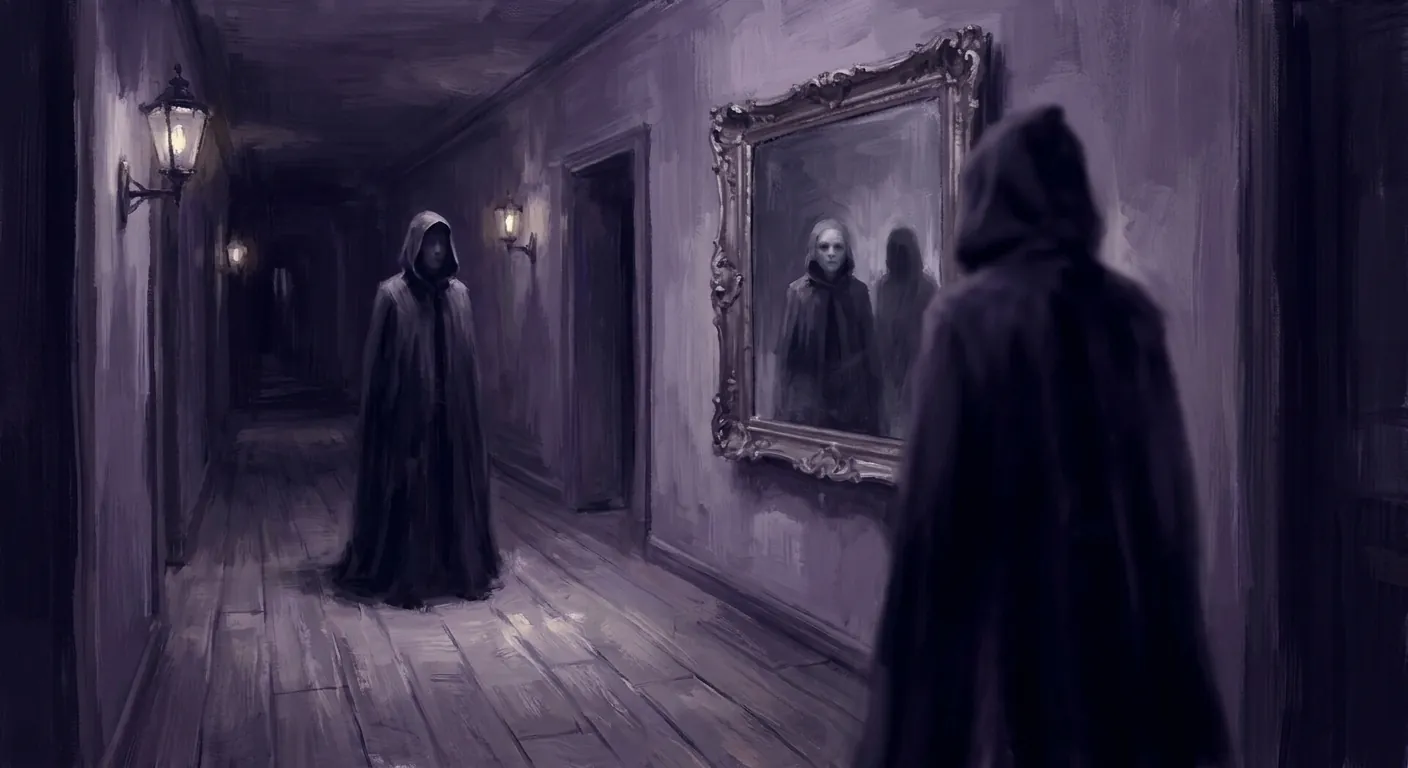
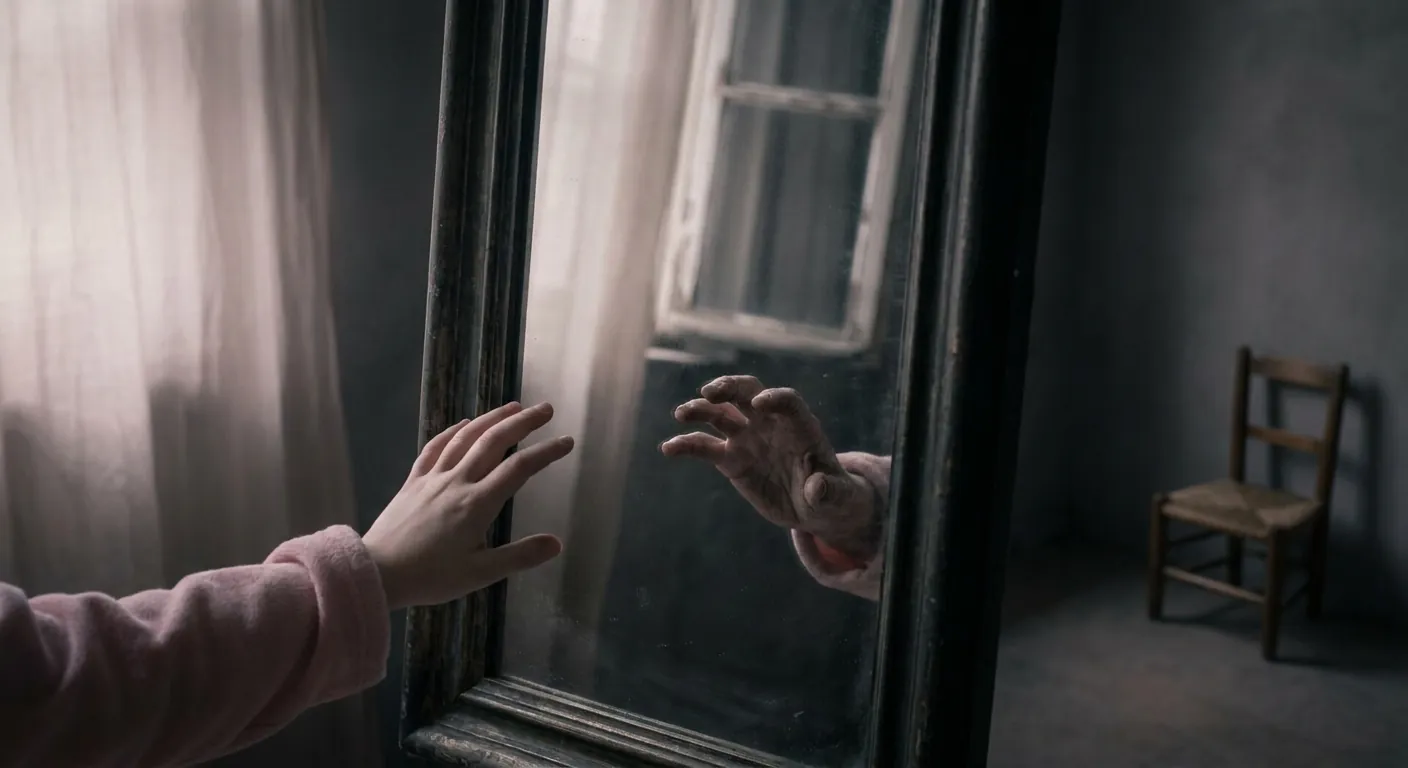
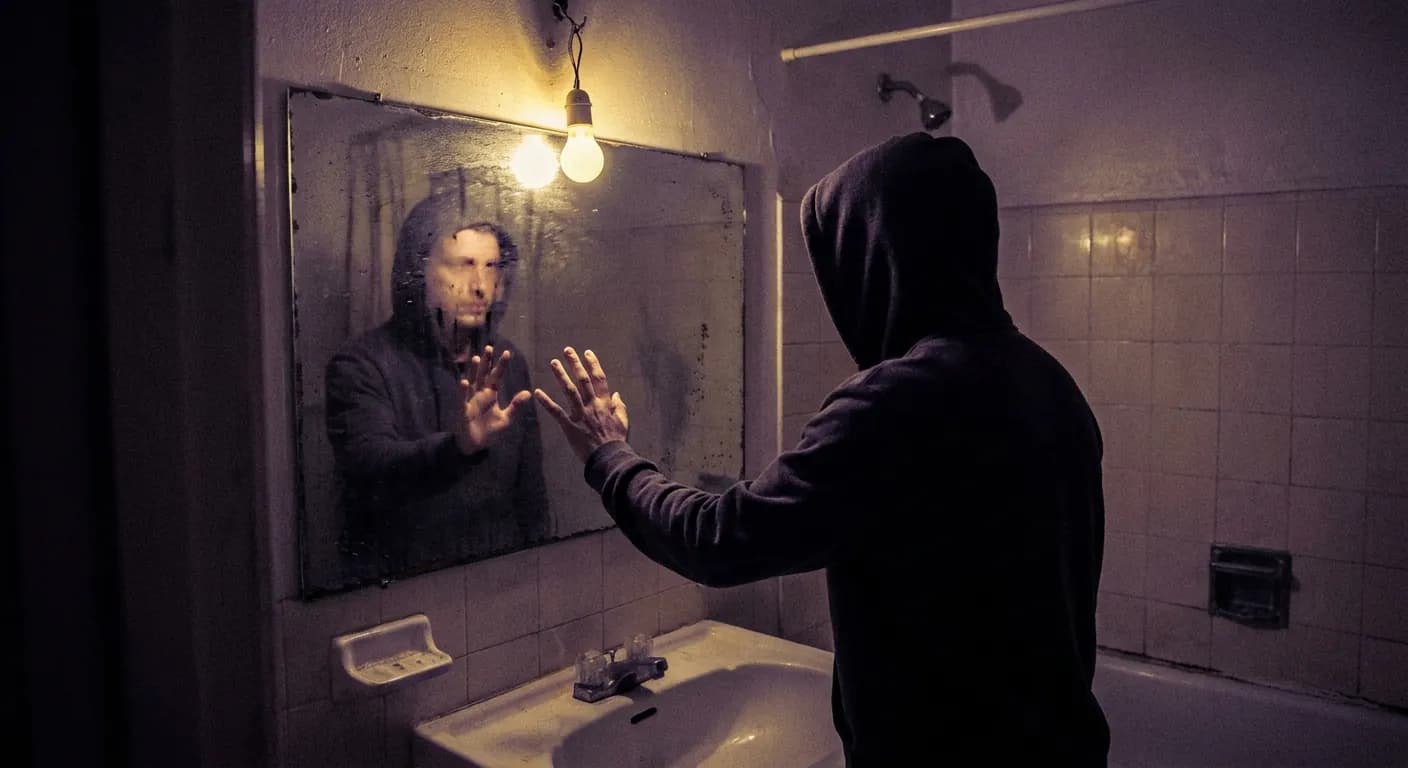
On the strangeness of meeting yourself
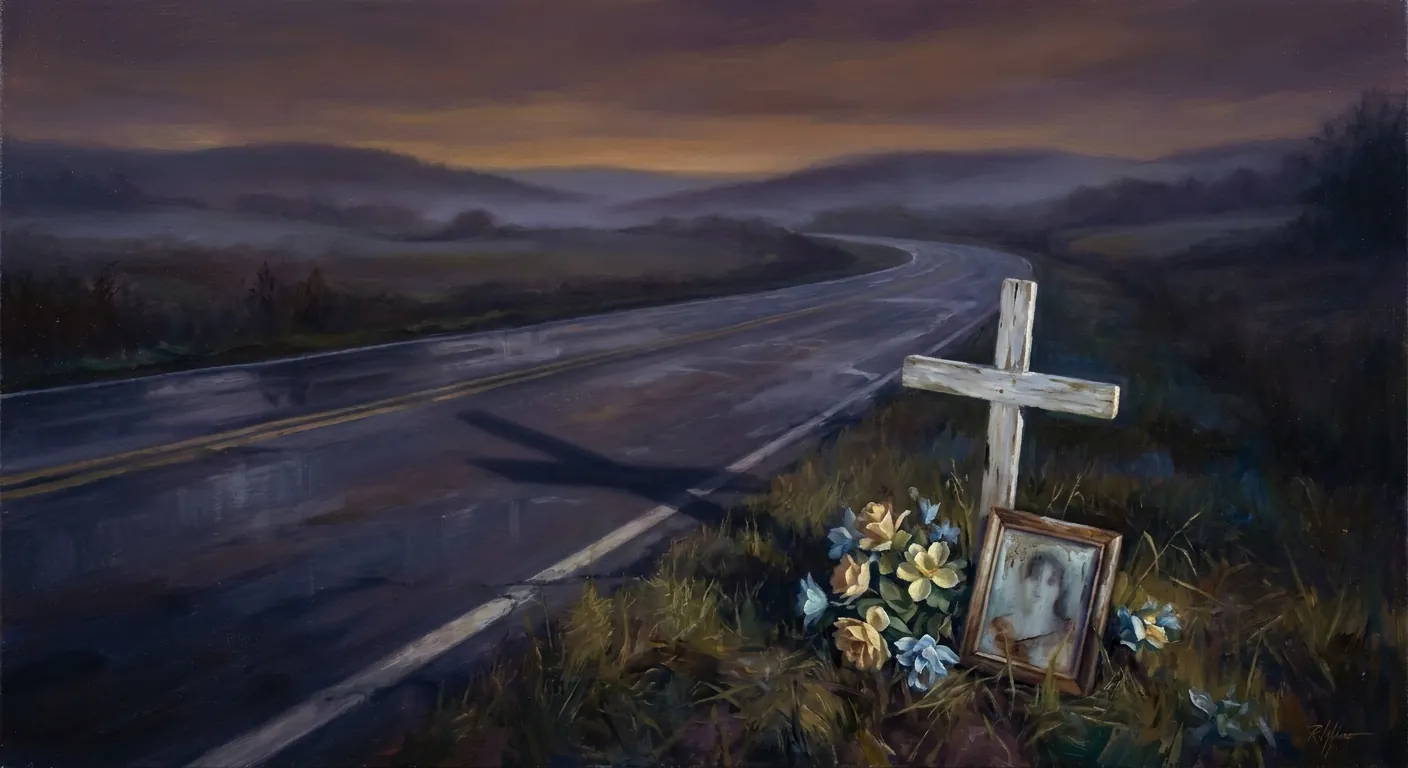
How the living mark the places where they lost someone
At the edge of matter, a shore no one has reached
When the dead sat for their final photograph
Why people admit to crimes they did not commit
The experiment that proved you'd deny the evidence of your own eyes — and the man it broke
On Victorian mourning jewelry and the strange physics of grief
On pressing your face into plaster and calling it memory
For five hundred years, doctors read the future in a flask of piss. They were not entirely wrong.
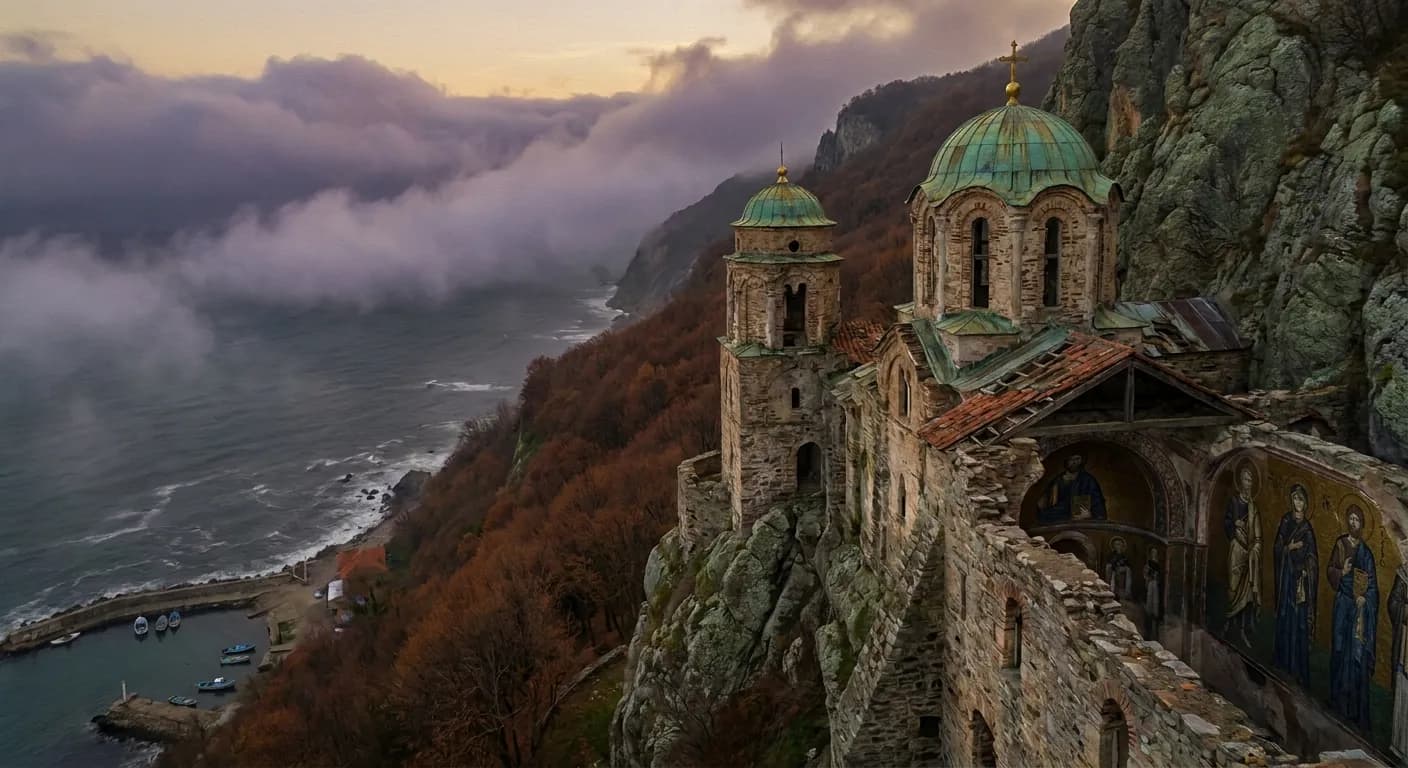
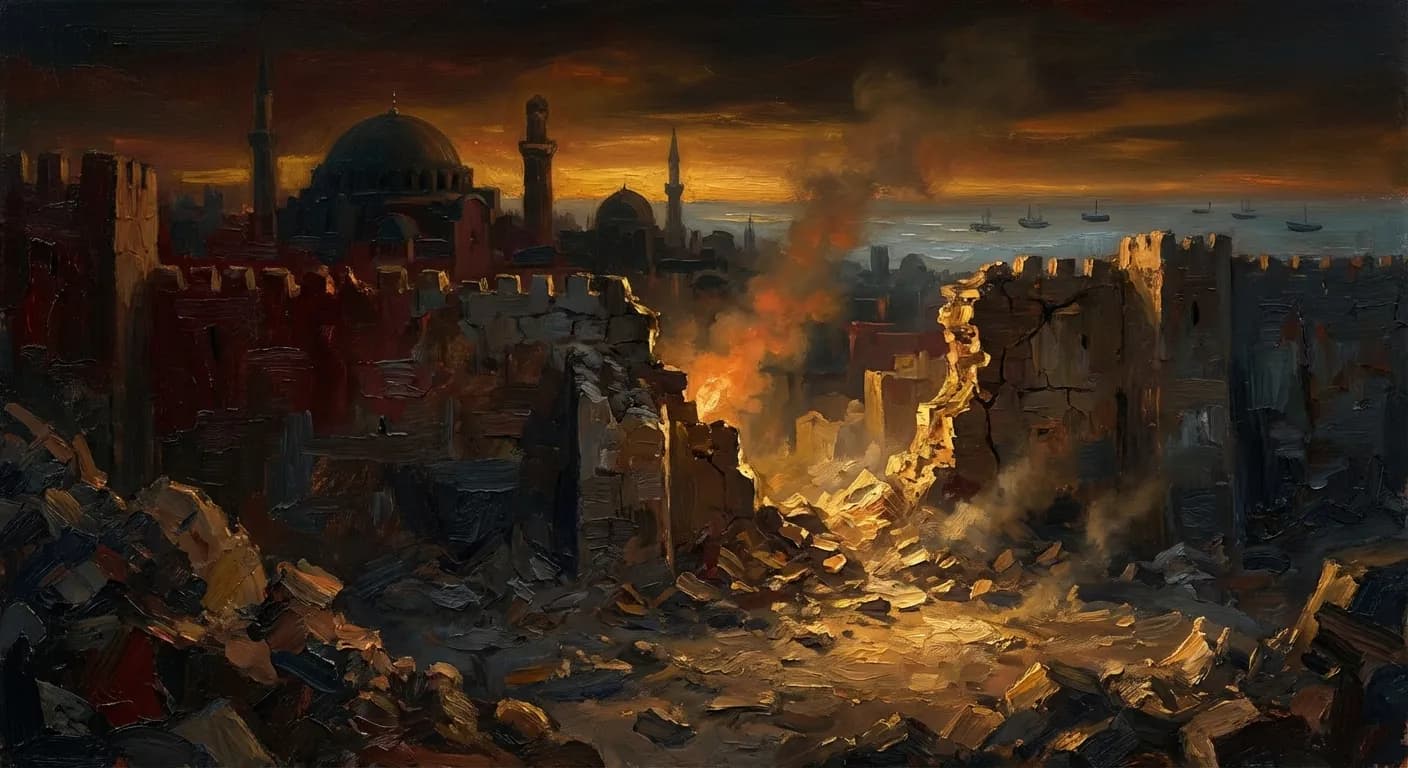
The last garden of Byzantium, where scholars fled with armloads of Plato before the world went dark
Free nations built in the belly of the beast
Before cause of death existed as a category, nobody officially died of anything
On the philosopher who leapt into a volcano to prove he was a god
On fires that must never go out, and what it costs to tend them
How the people who knew the most became the last to know it was over
On the strange mercy of not knowing what is about to end
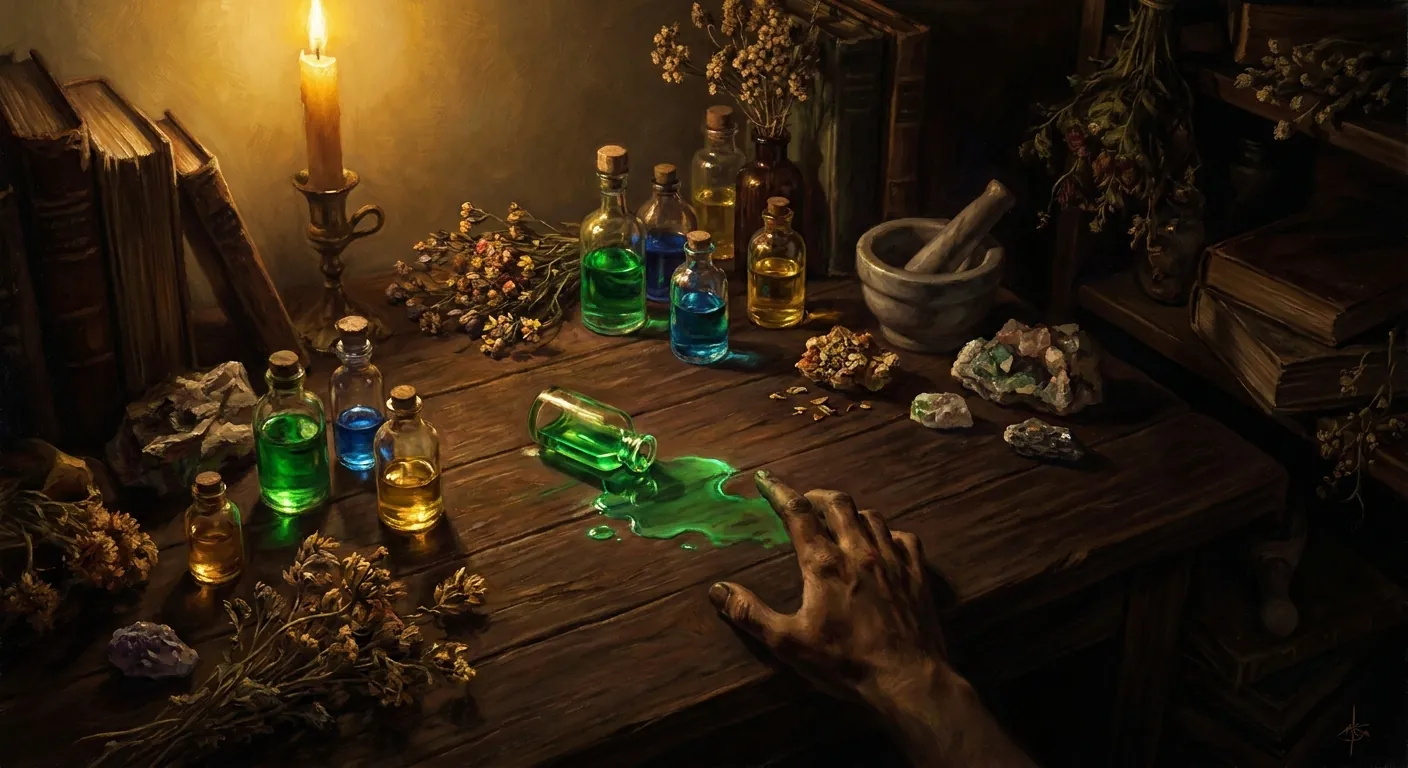
Before the metaphor, before the movies, there was a pharmacology of erasure
On the ancient logic of destroying the body to transcend it
Ten thousand years of cutting, and the hand still trembles the same way
Tycho Brahe built the most precise observatory in the pre-telescopic world — and spent his life denying what his own data proved
The teenagers who fought the Third Reich with song, sabotage, and sheer defiance
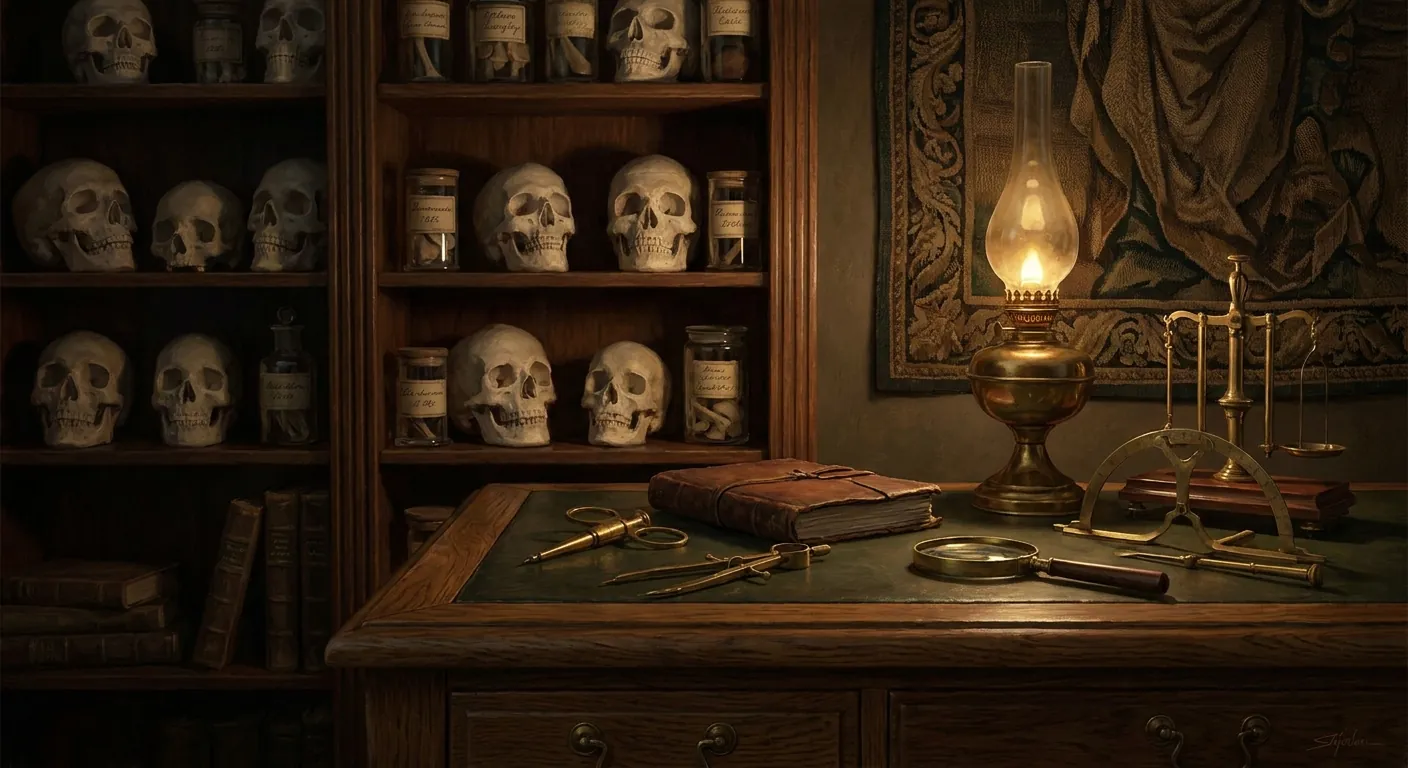
A curator's notes on the things we got magnificently, instructively, gloriously wrong
On the forgotten architecture of sanctioned grief
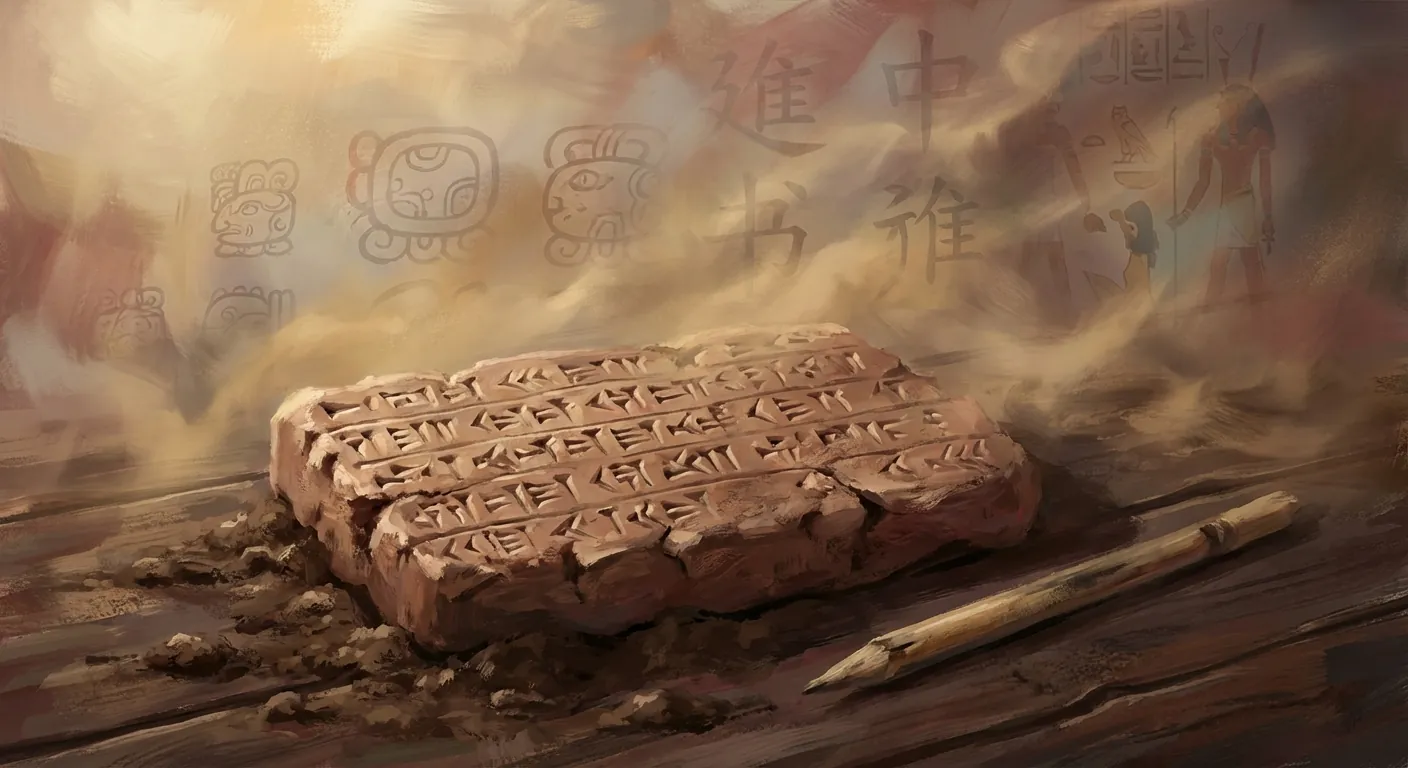
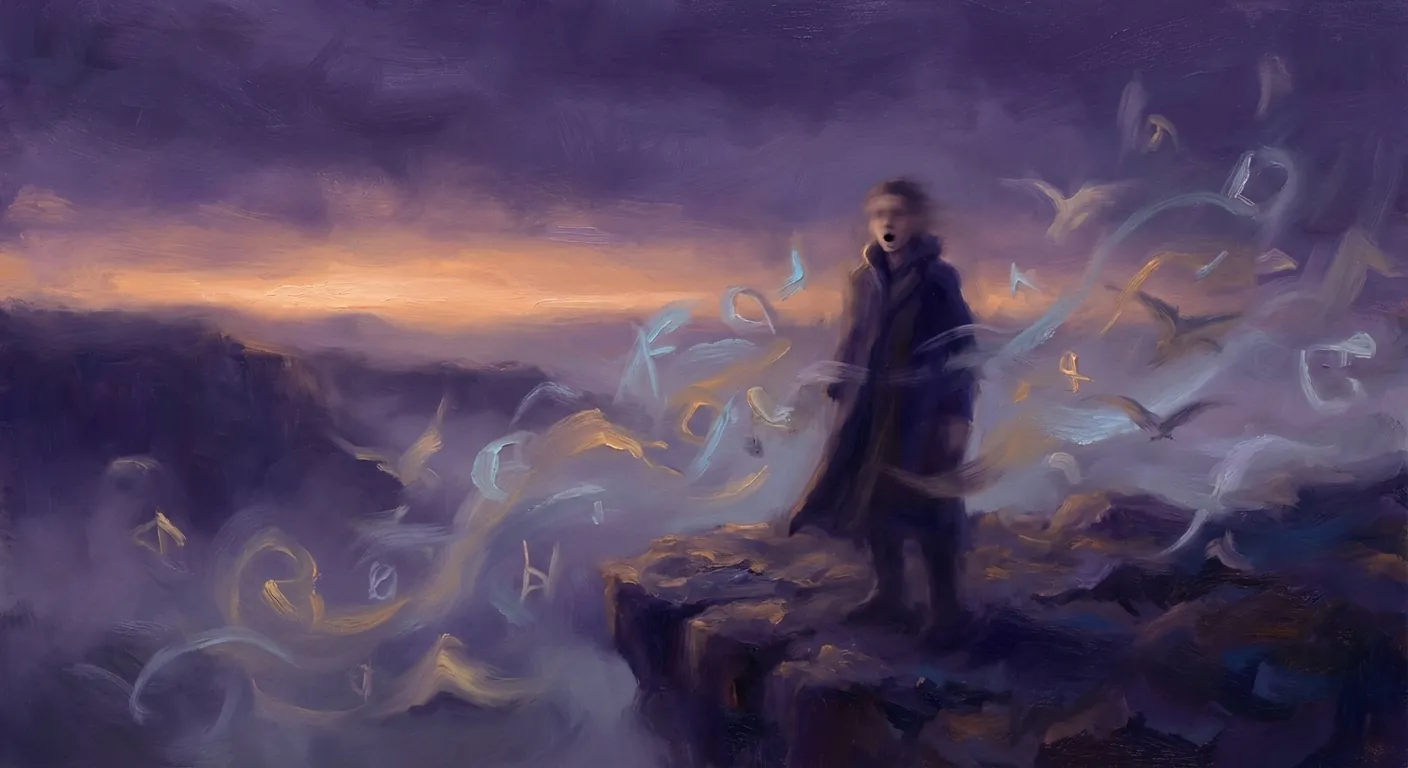
On the strange dream of building a tongue from nothing
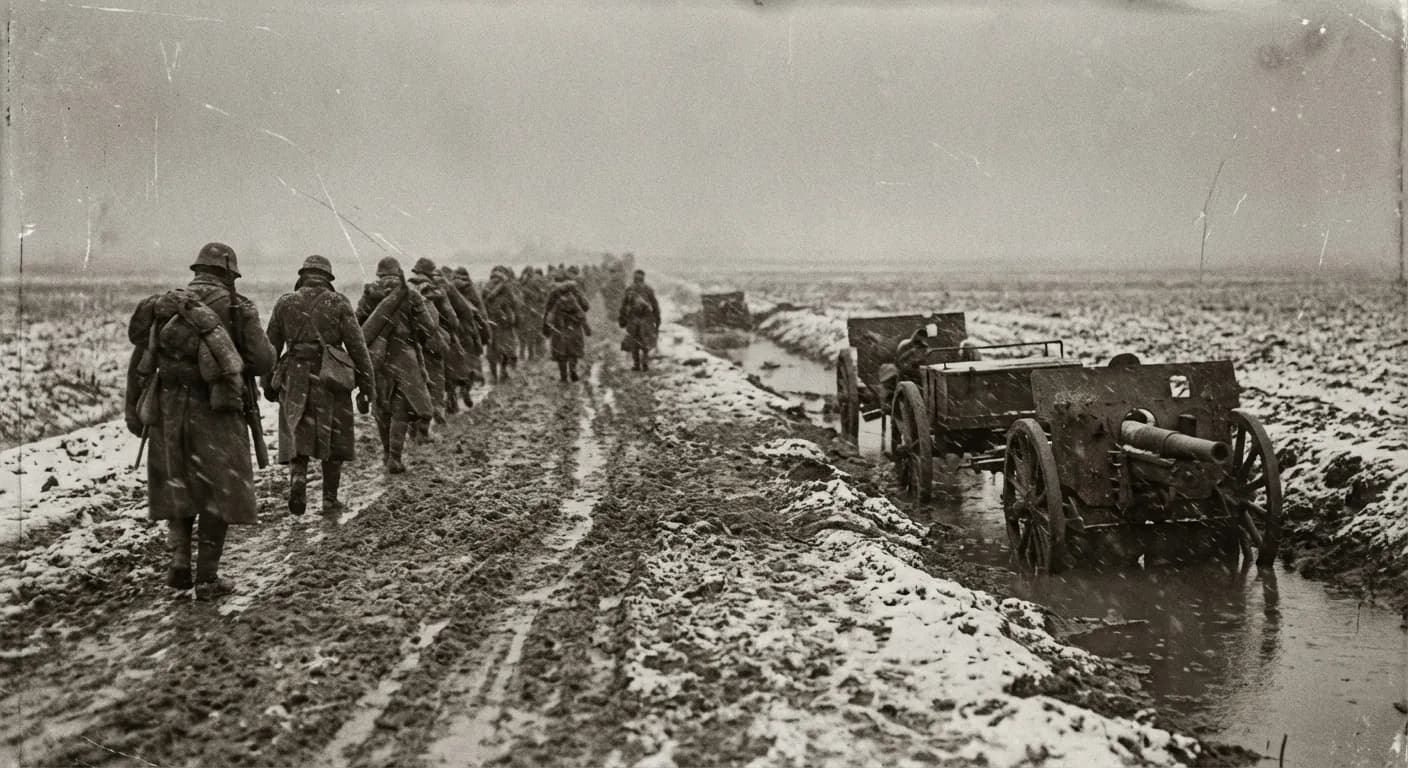
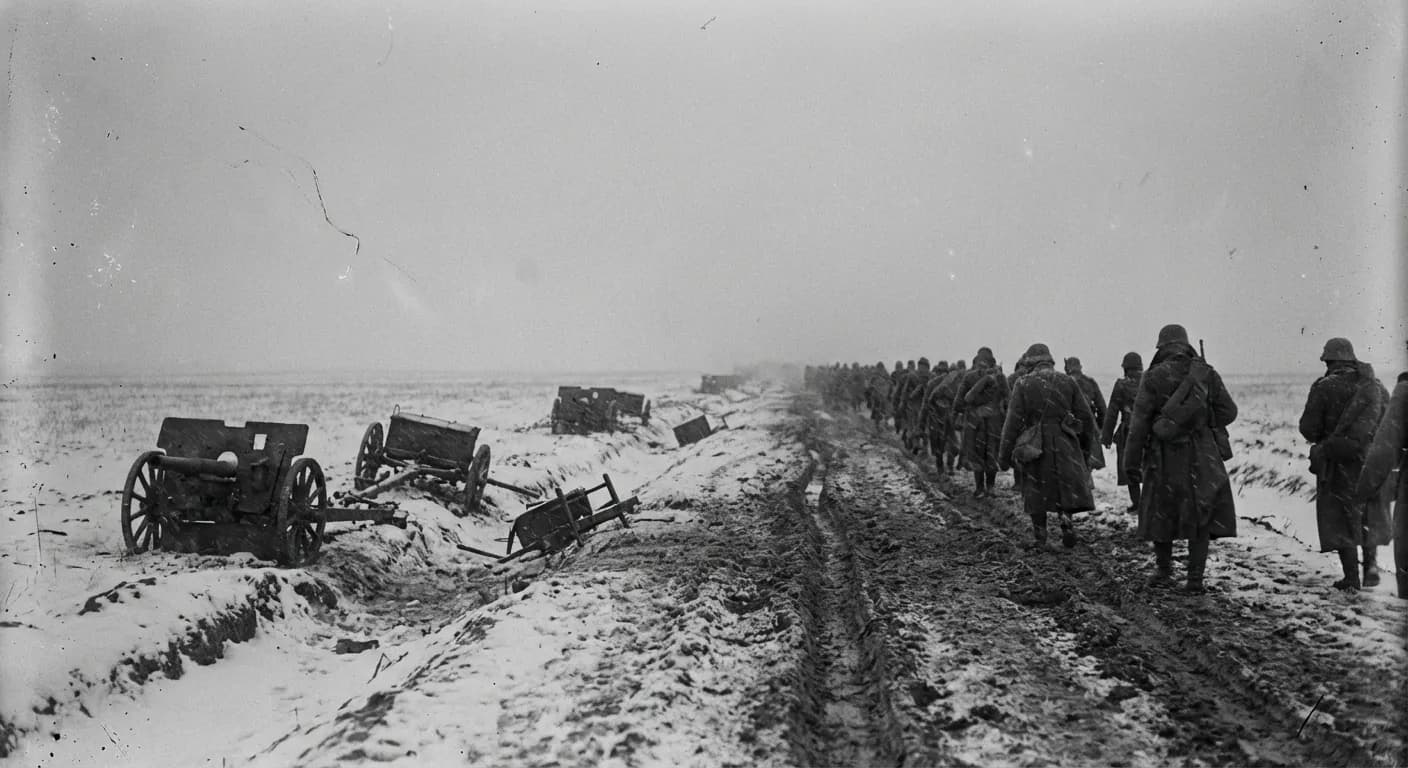
On armistices that arrived too late, orders that never reached, and the strange agony of wars that end without ending
On dormitories, barracks, asylums, and the politics of sleeping next to strangers
The human cost, Khrushchev's Secret Speech, de-Stalinization, and why Russia still can't fully reckon with the legacy
How the obsessive measurement of starlight drove astronomers to the edge of the knowable universe — and sometimes over it
A field guide to the objects that outlast us, and what they know
The Great Terror of 1936-38, the show trials, the NKVD troikas, and the Gulag
On the ancient profession of weeping for strangers — and what it says about grief as labor
On the rarest crossing of senses, and what it means to eat a sentence
How humanity invented the idea that some moments are too sacred for killing
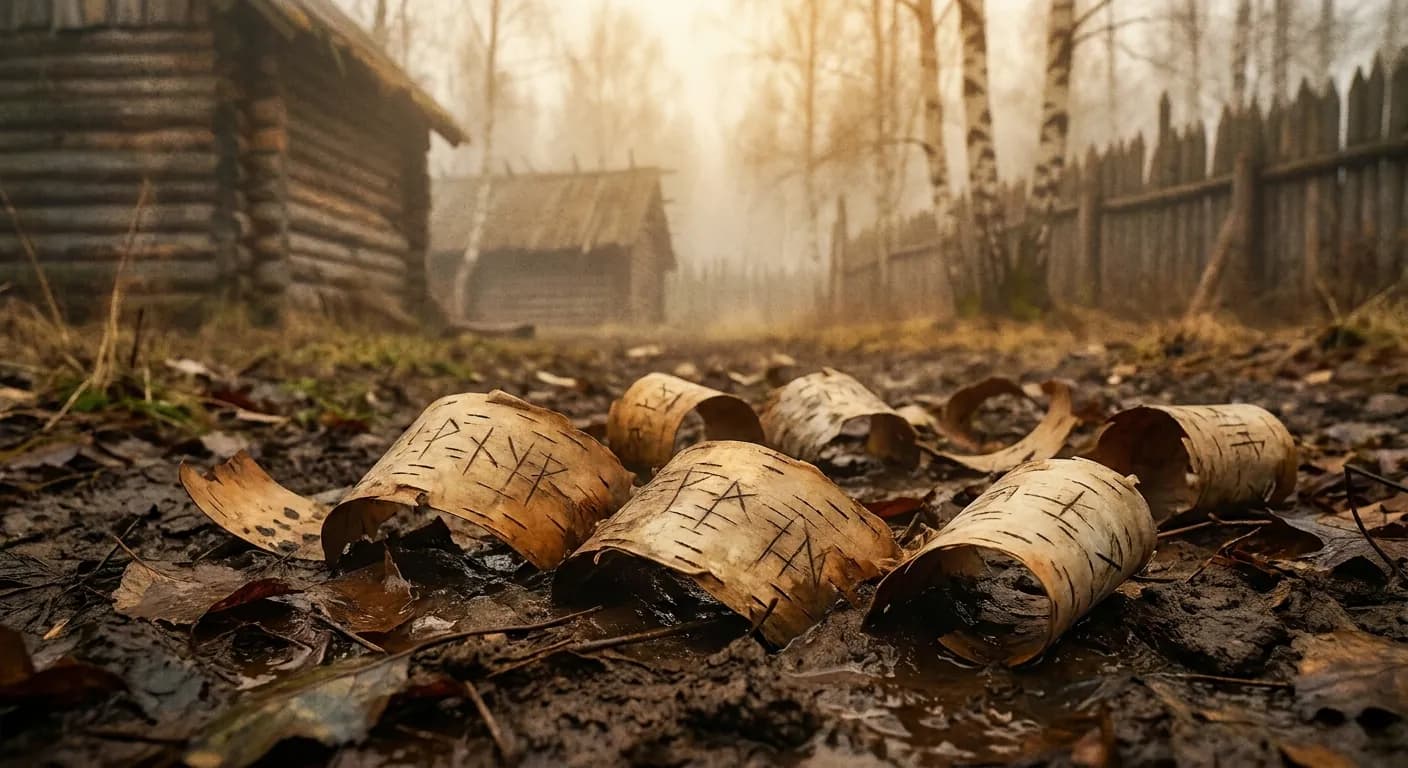
A medieval city wrote its ordinary life on tree bark, and then the mud remembered everything
The daycare panic, the archaeology of memory, and the things we made children remember
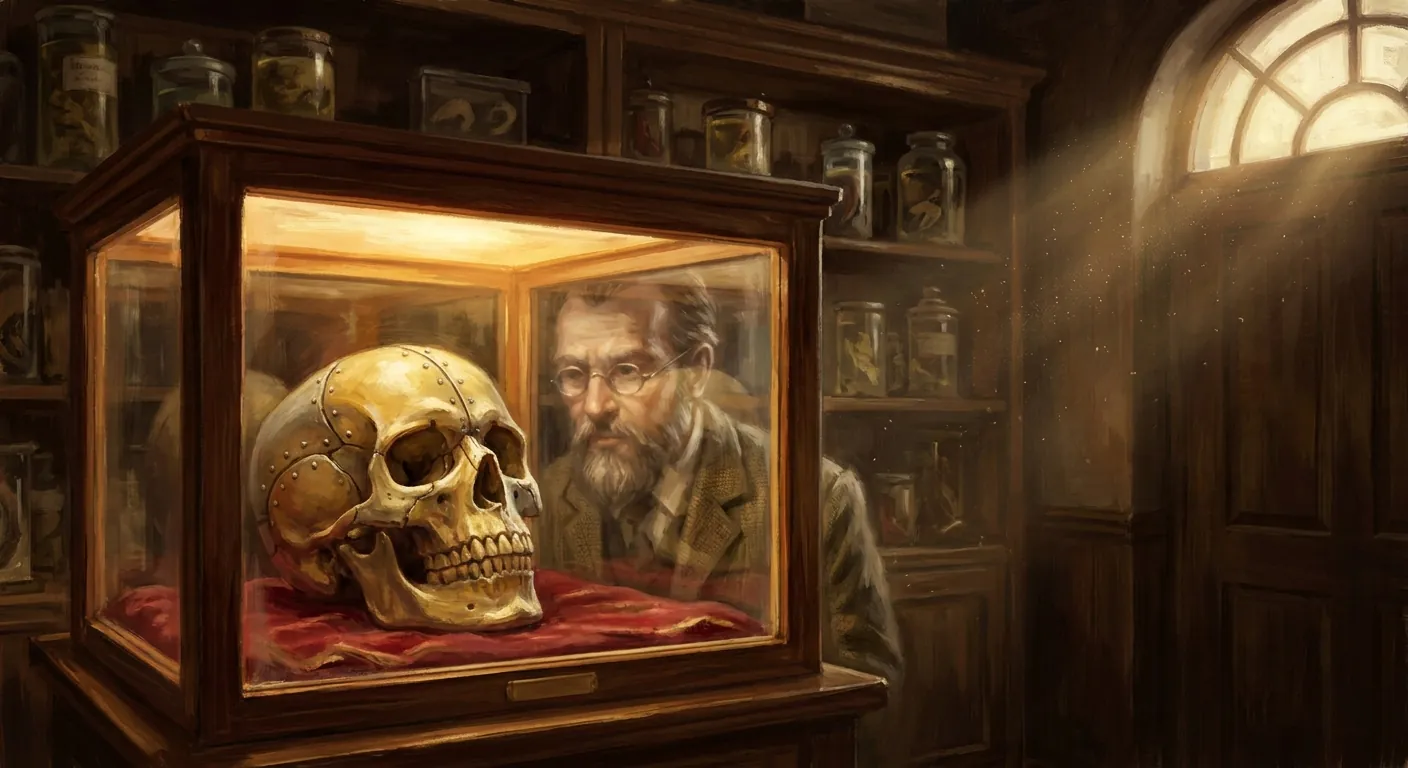
A woman displayed as a specimen, and the long science that made it respectable
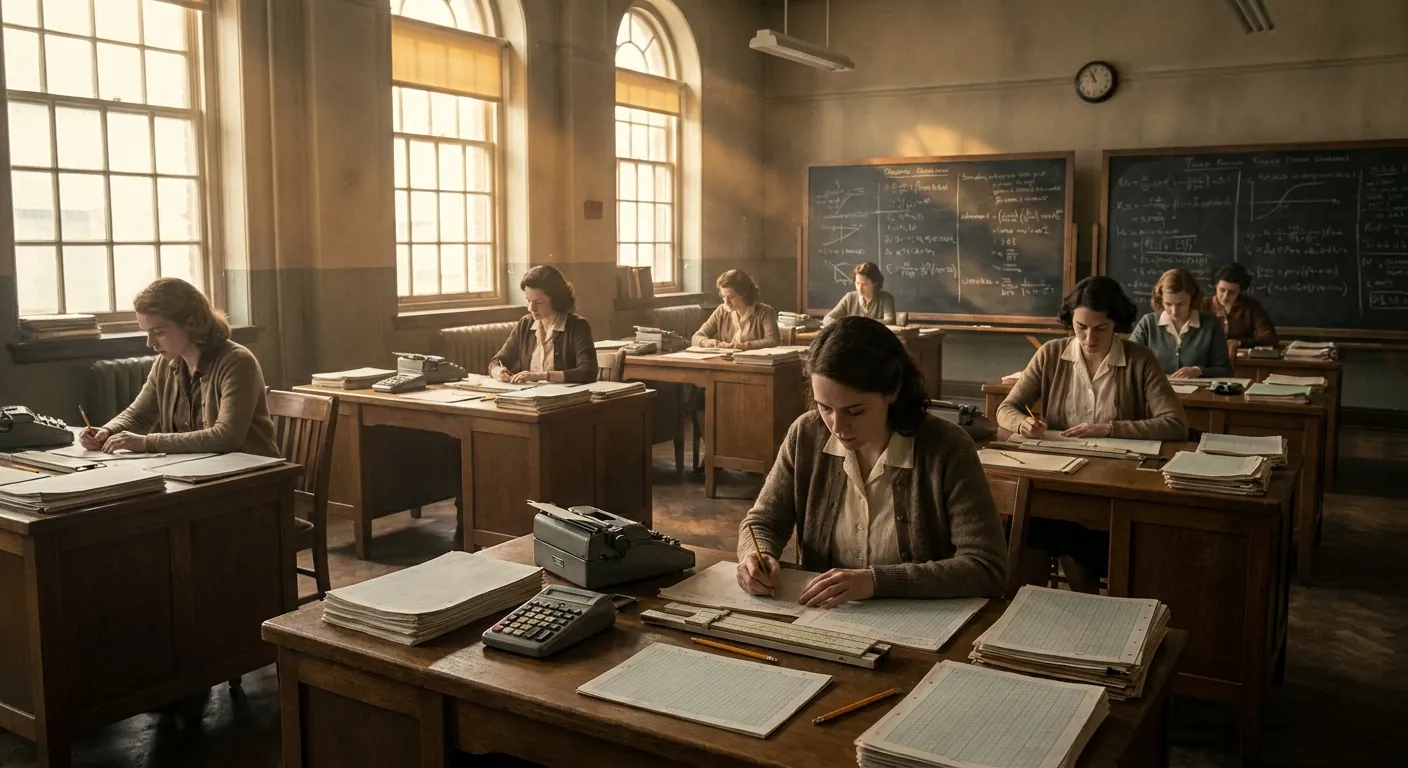
Before the machine was a machine, the computer was a woman
Science built a single experiment to find the self. It found its own reflection instead.
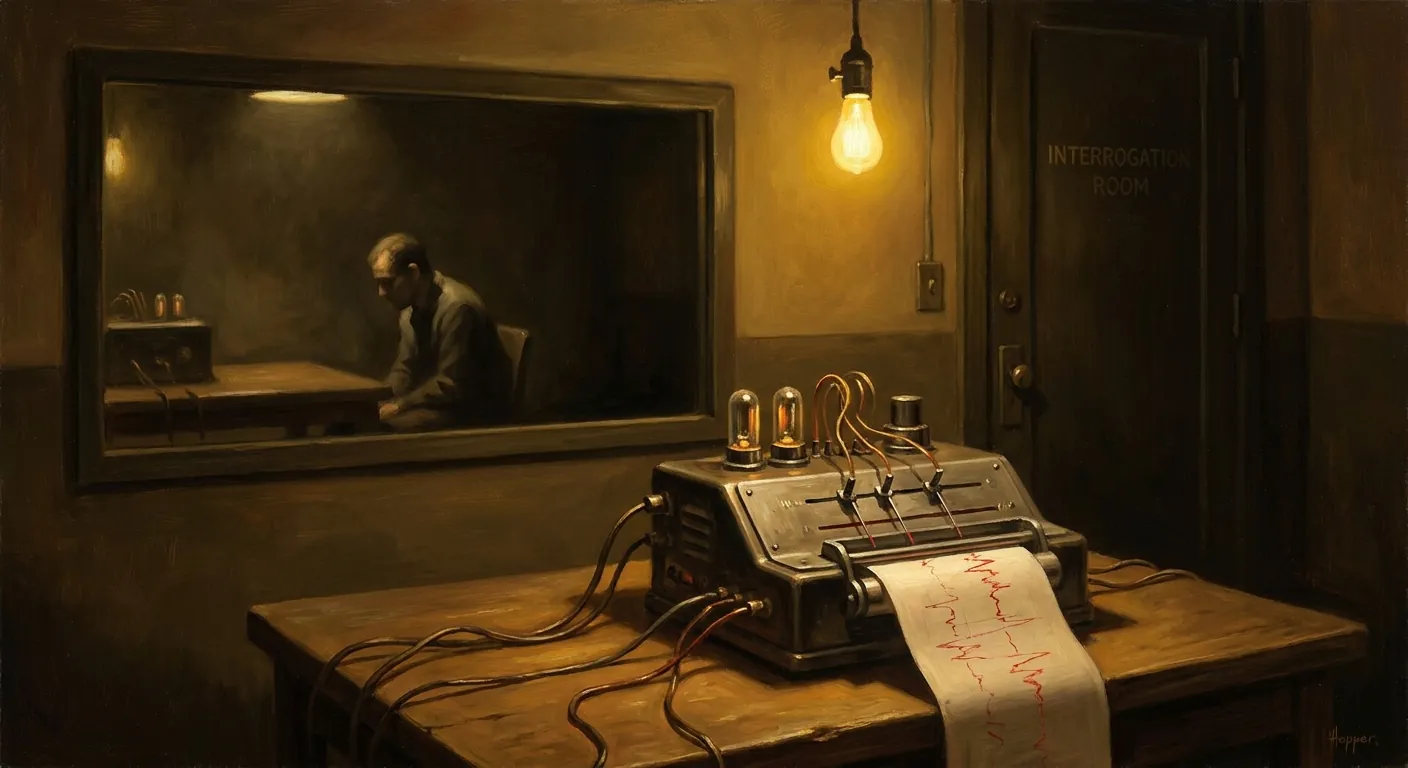
How a machine that couldn't detect lies reshaped confession, guilt, and the legal theater of truth
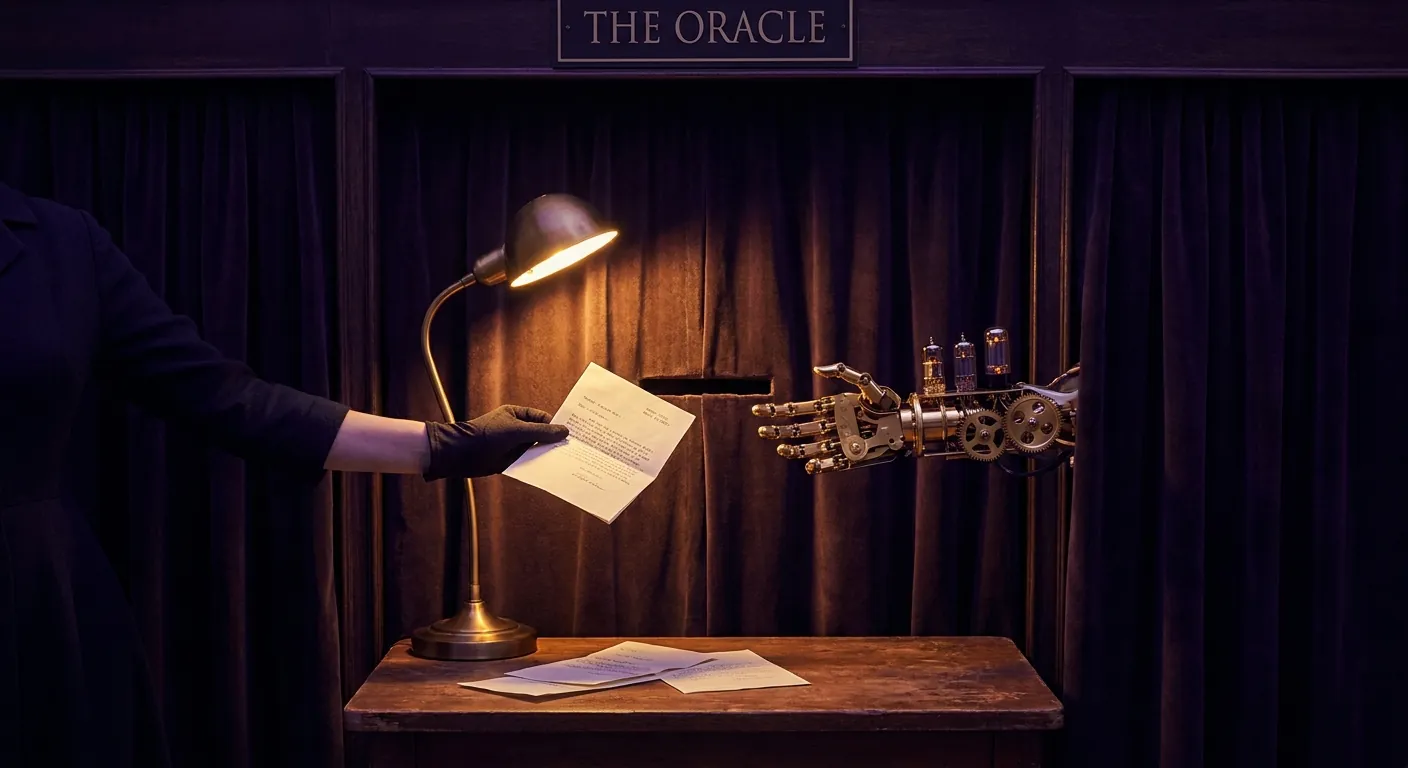
Alan Turing proposed his famous test as a philosophical provocation. We took it completely, catastrophically literally.
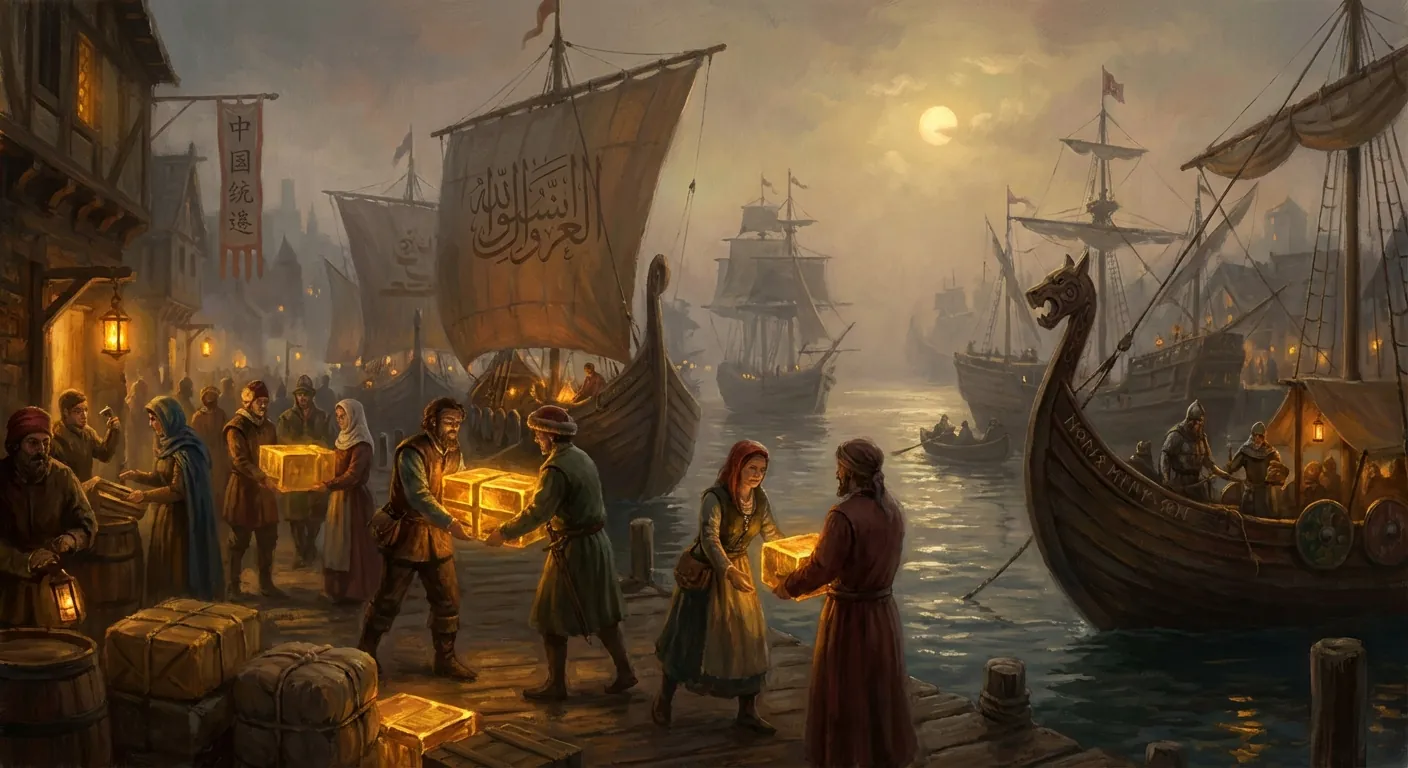
Before there were countries, there were routes
Stalin's rise, the machinery of the party-state, and the cult of personality
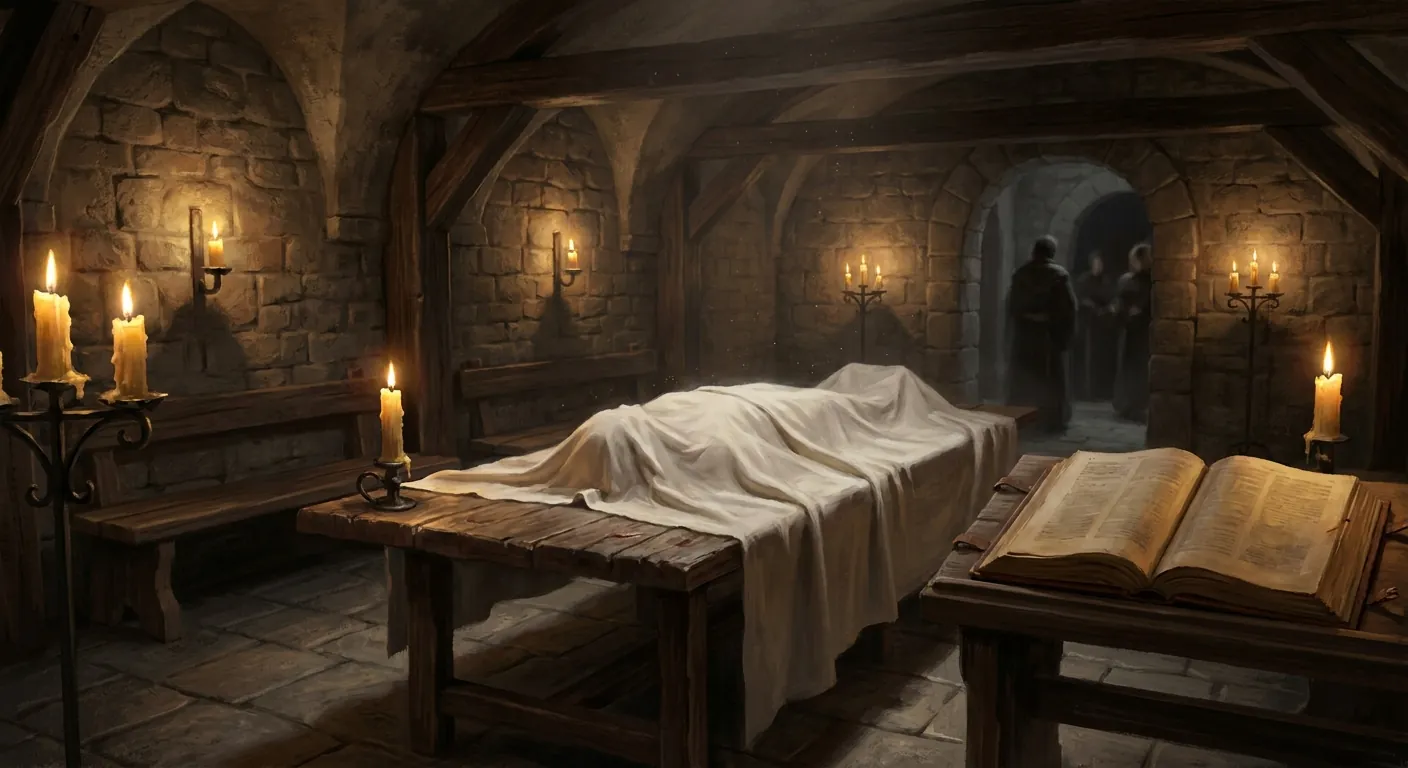
On the stolen dead, the science of the knife, and the debt anatomy owes to the grave
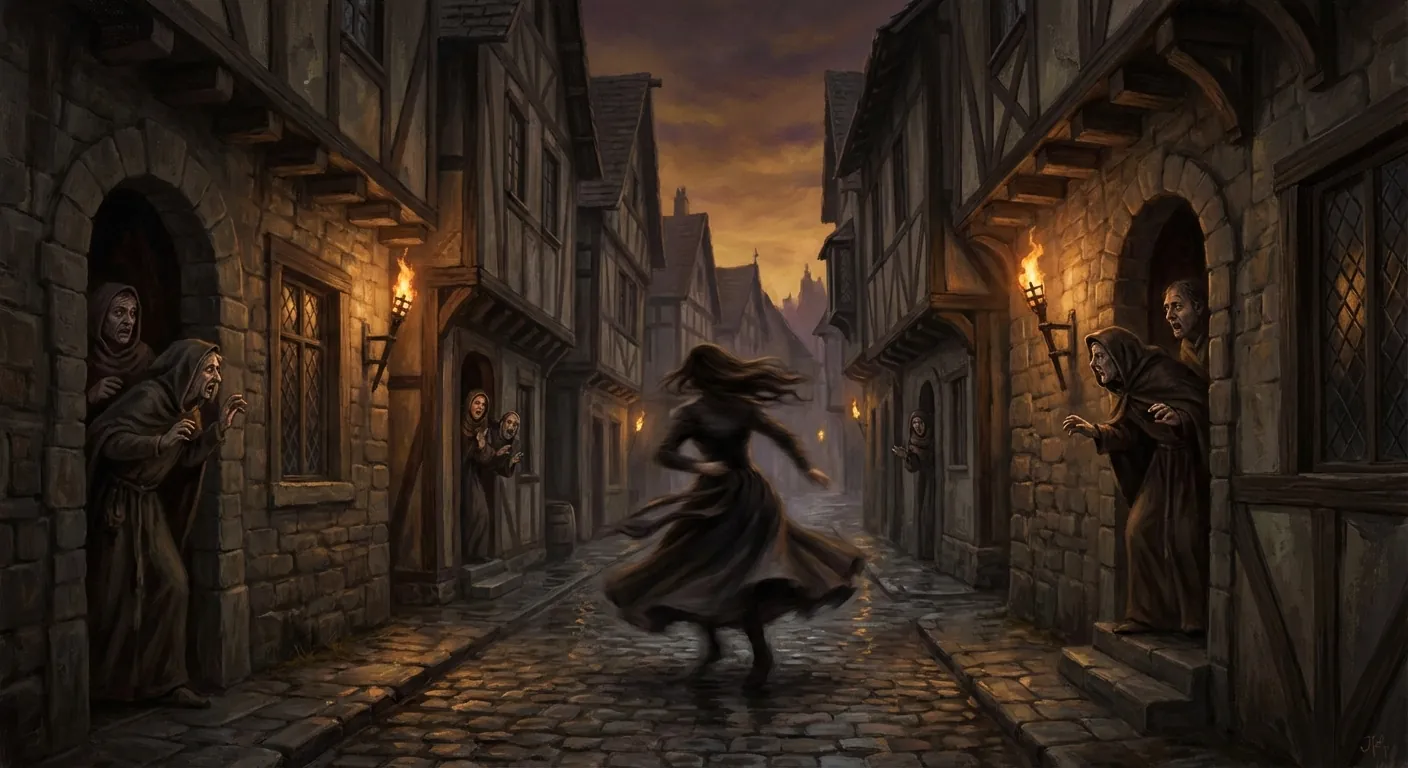
On informers, collaborators, and the architecture of betrayal
The women whose bones became the evidence
Seven physicists wrote a secret memo to stop the bomb. Nobody read it in time.
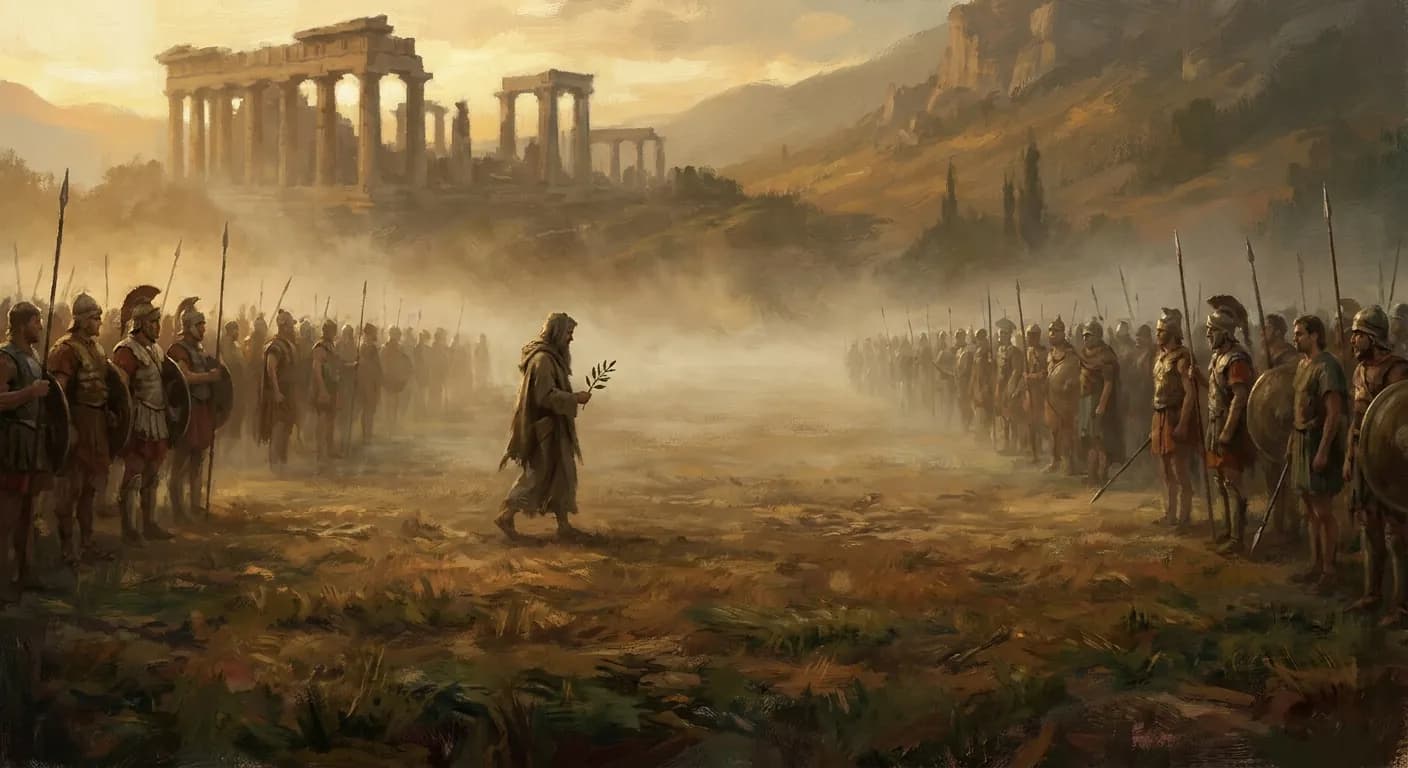
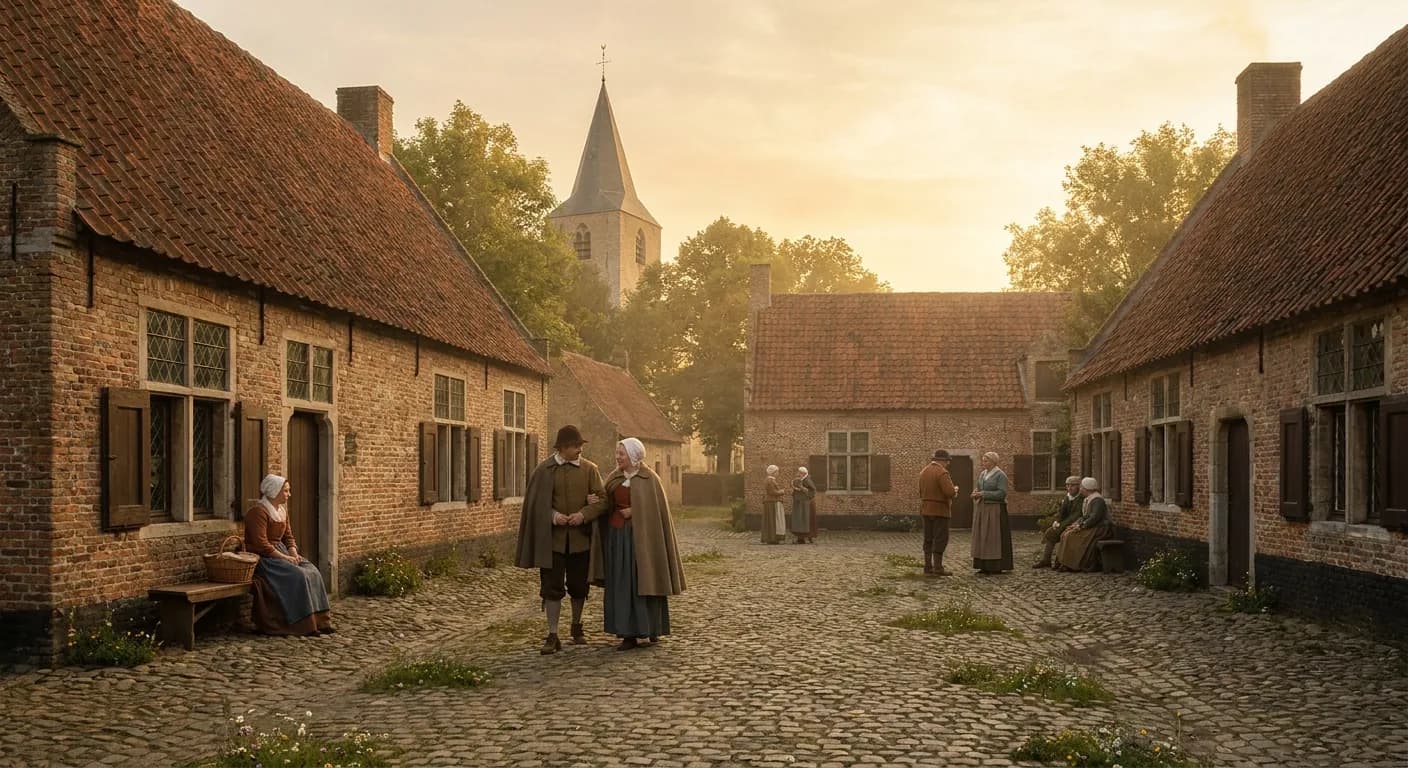
In a Belgian village, the mad lived freely among the sane for seven hundred years. It worked.
Science corrects itself. The correction never catches up.
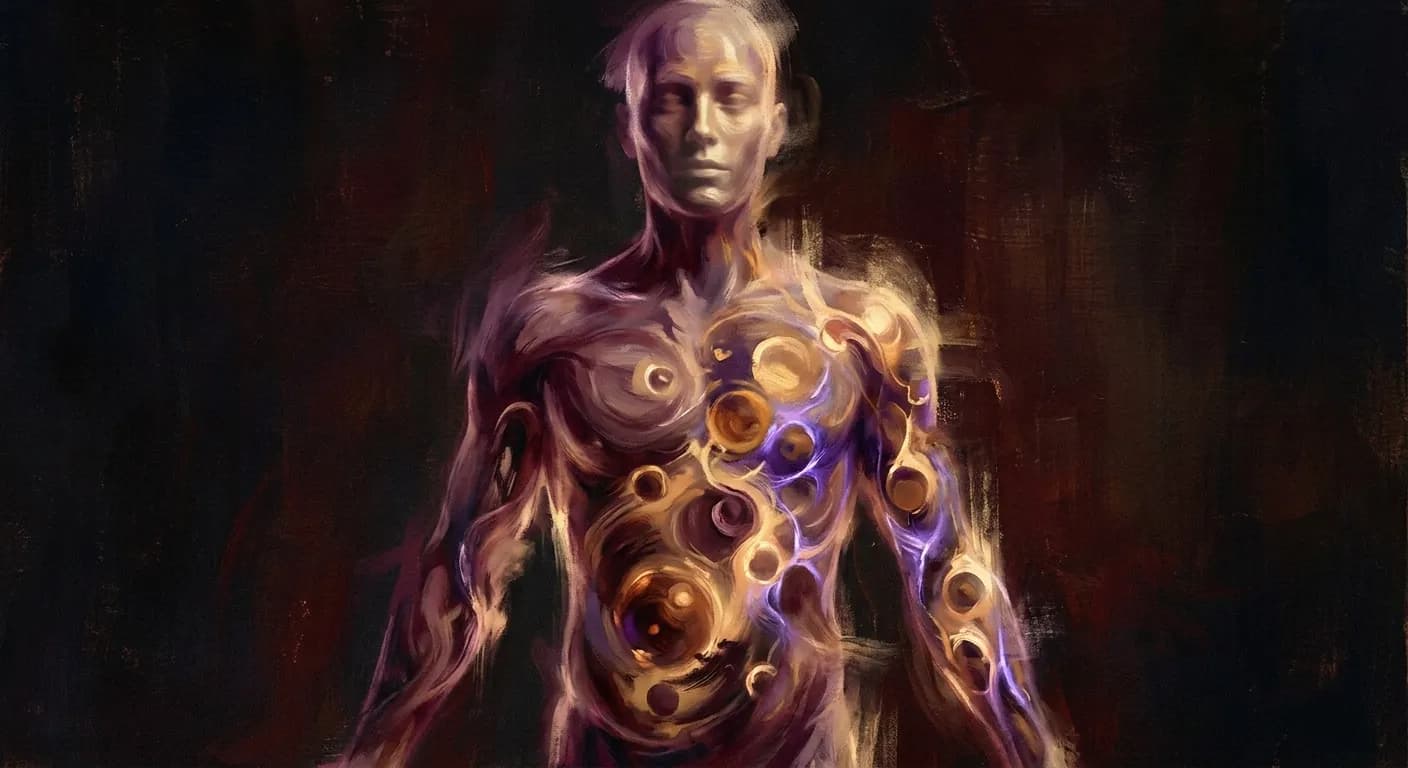
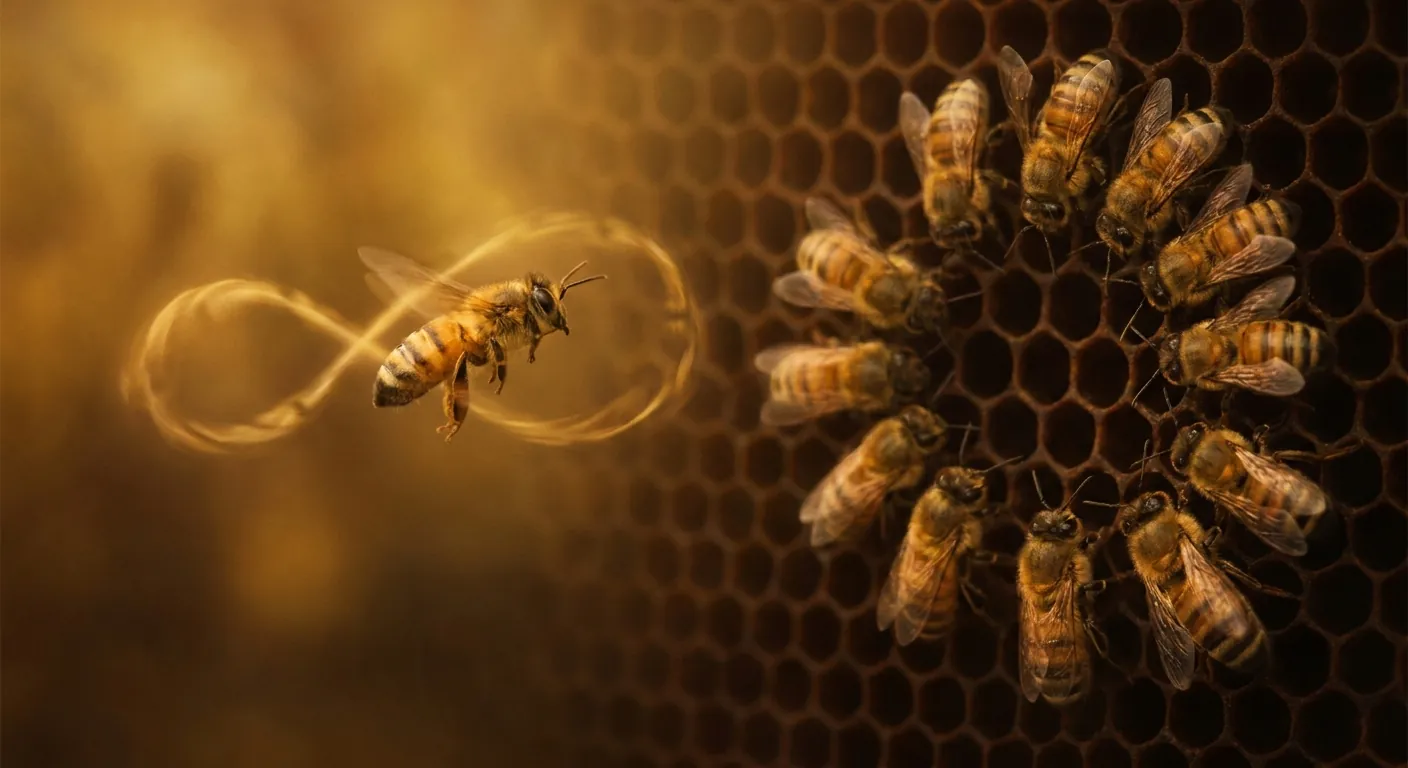
Every living cell emits photons too faint for the eye to see. What does it mean that we are all, literally, glowing?
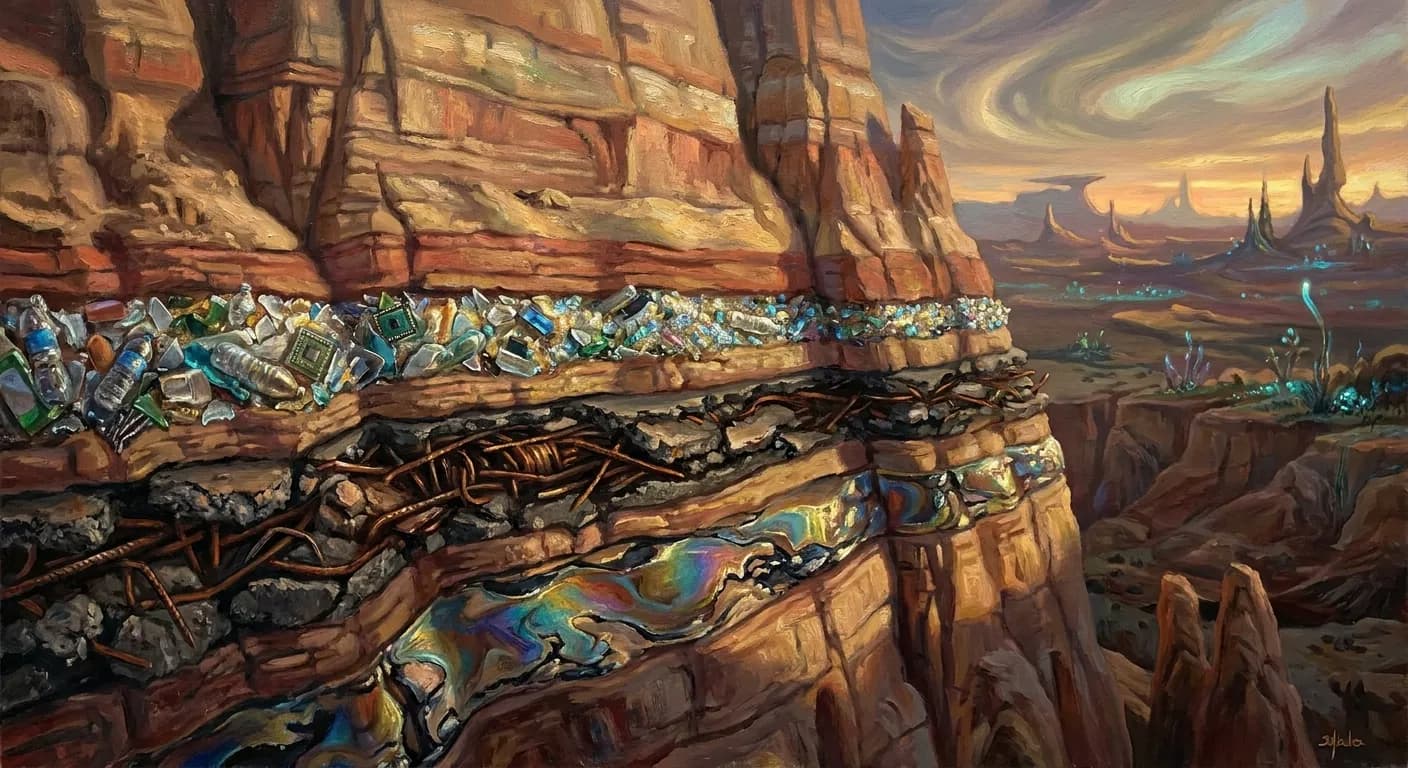
Every apocalypse leaves a thin line in the rock. You just have to know how to read it.
How a psychologist's pigeon experiments became the blueprint for the slot machine in your pocket
On the first transatlantic cable, the voices it carried, and the silence it replaced
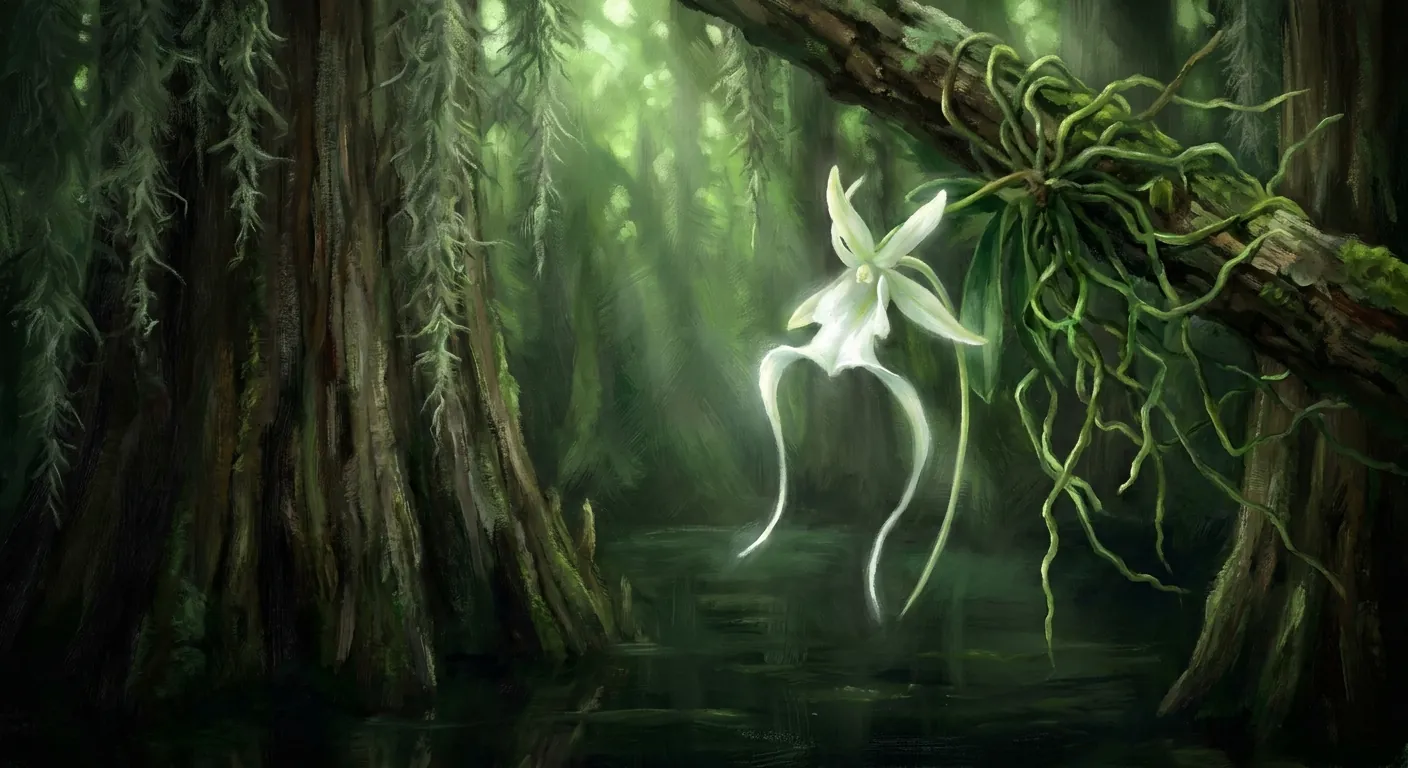
A century of botanists asking the wrong question about the wrong flower
When the body decides its own tissue is the enemy
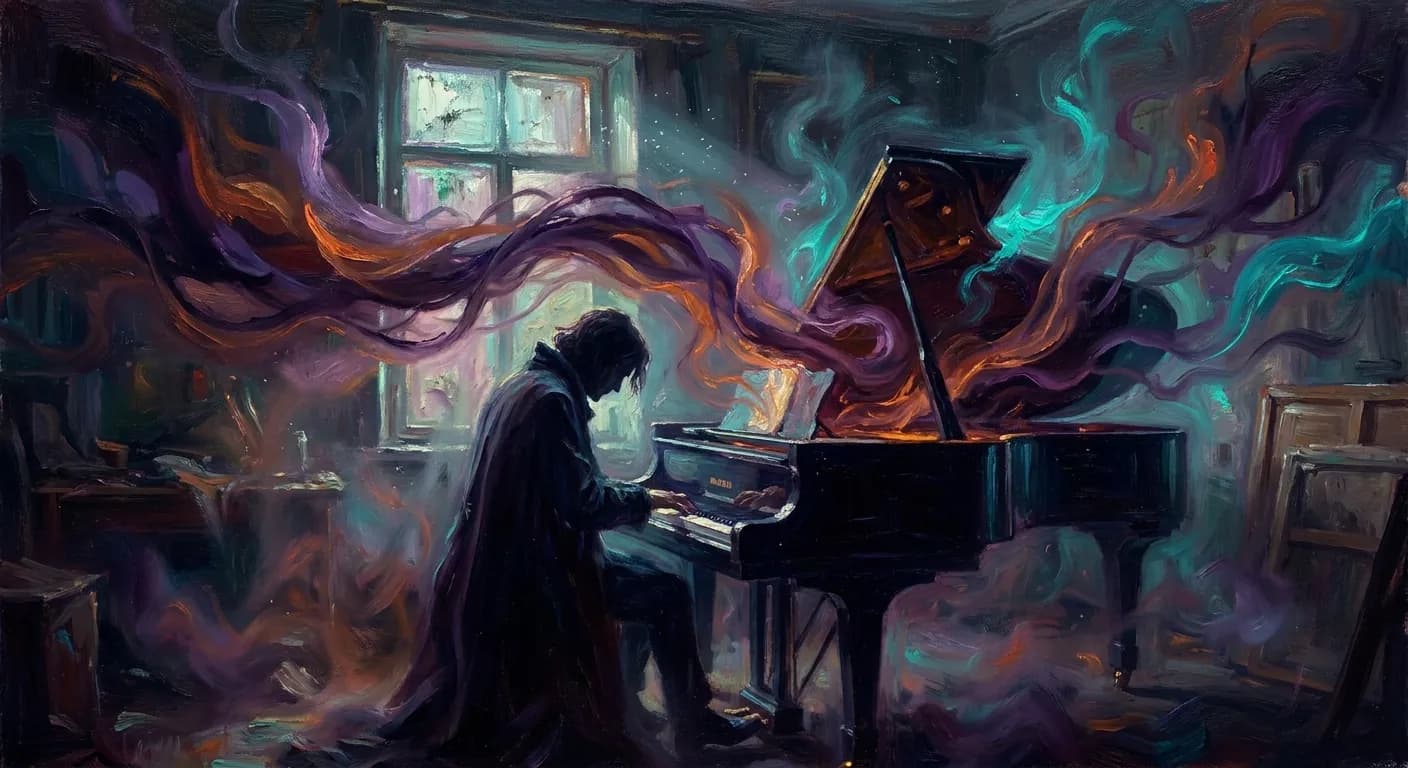
Synesthesia and the democracy of hallucination
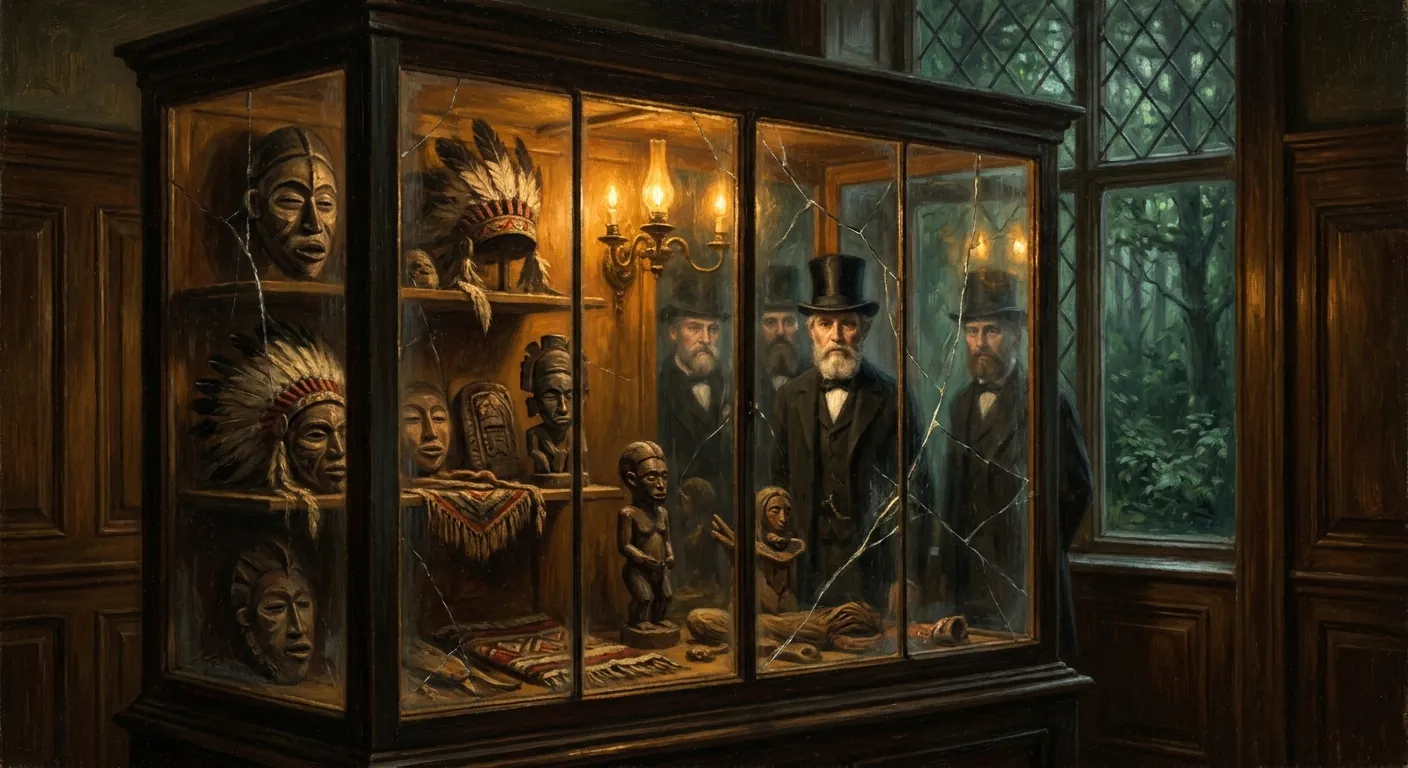
Western civilization didn't discover indigenous peoples — it manufactured them
How dying became a market, a legal battleground, and the last thing left to privatize
How the lens didn't just magnify the world — it rewired the human mind
On the terror of being the first person to stop clapping
How the Black Death invented public health — and the surveillance state that came with it
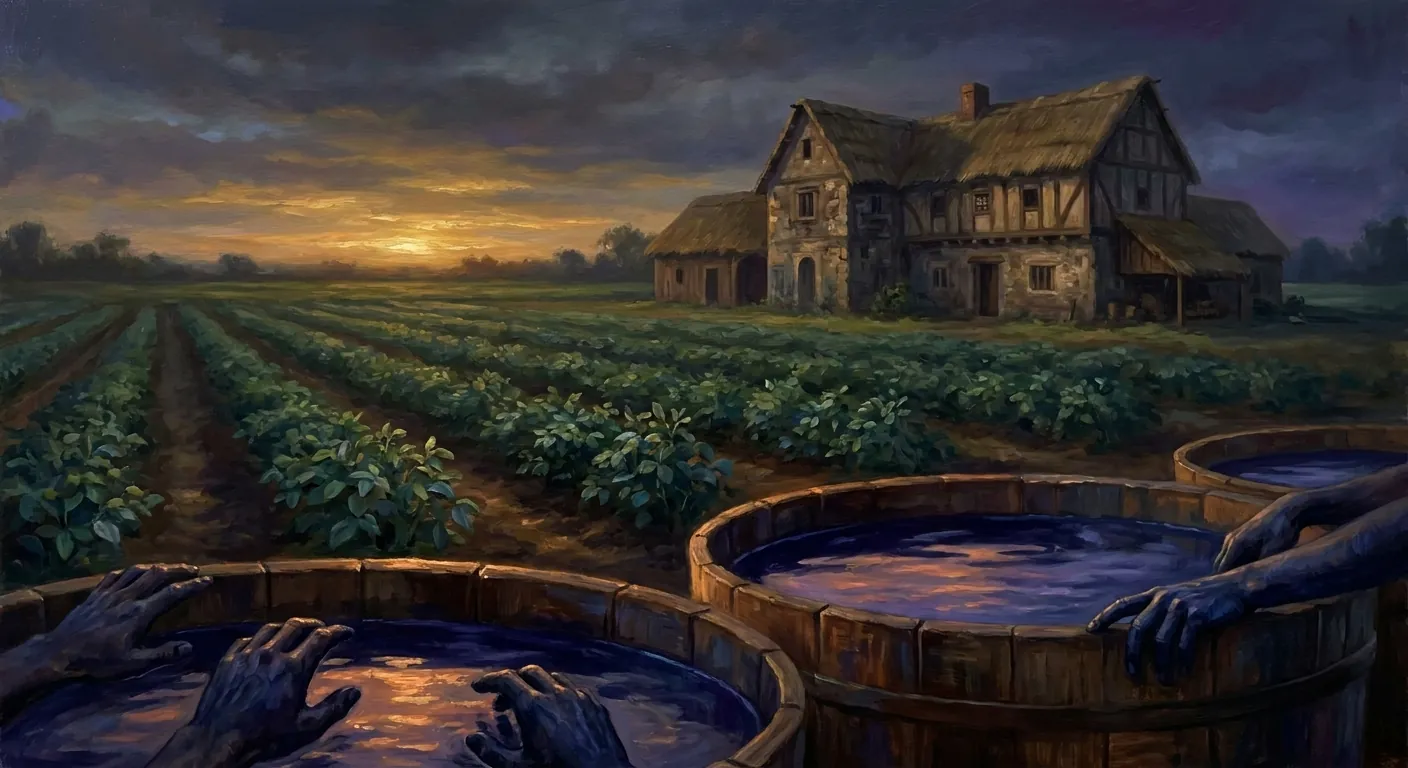
The dye that built empires, enslaved millions, and was murdered by a molecule
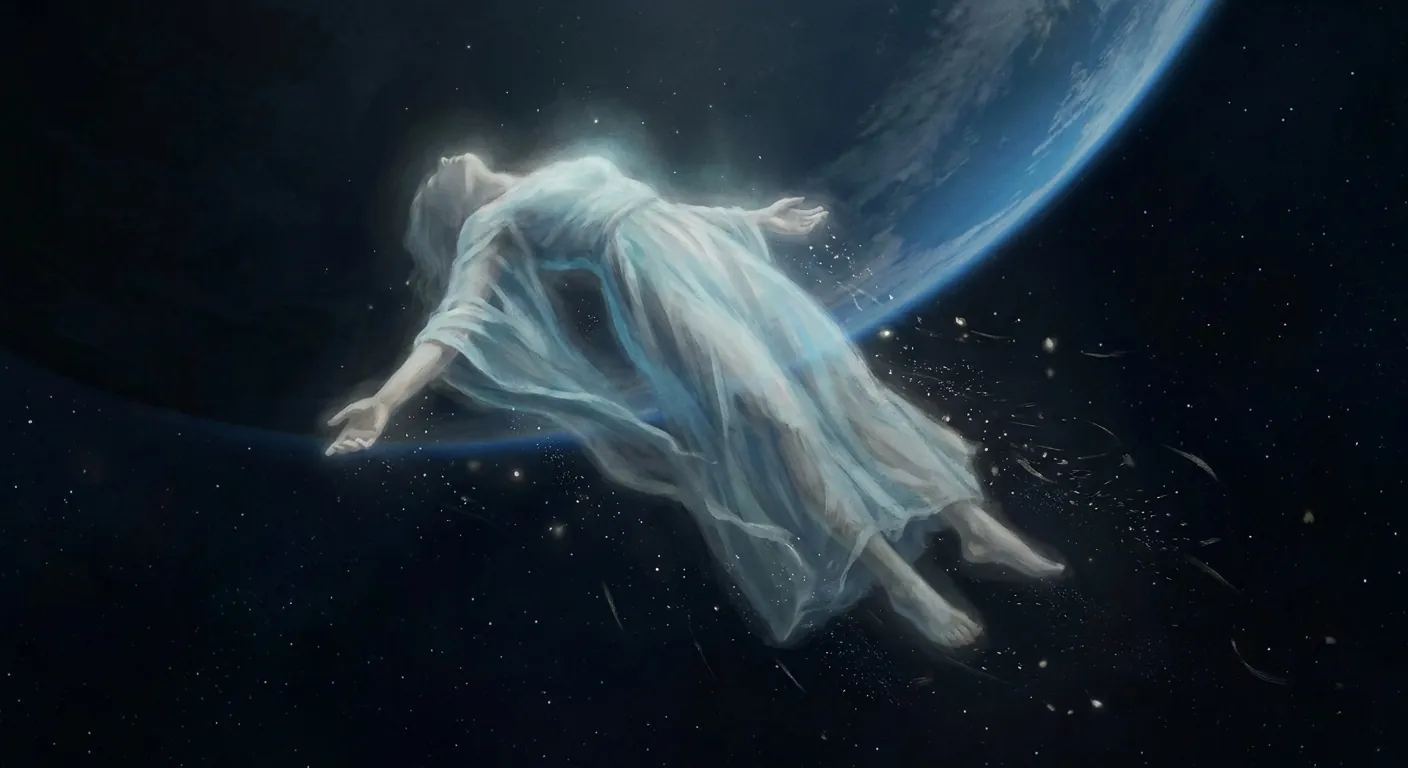
What happens to the human body when it leaves the world it was built for
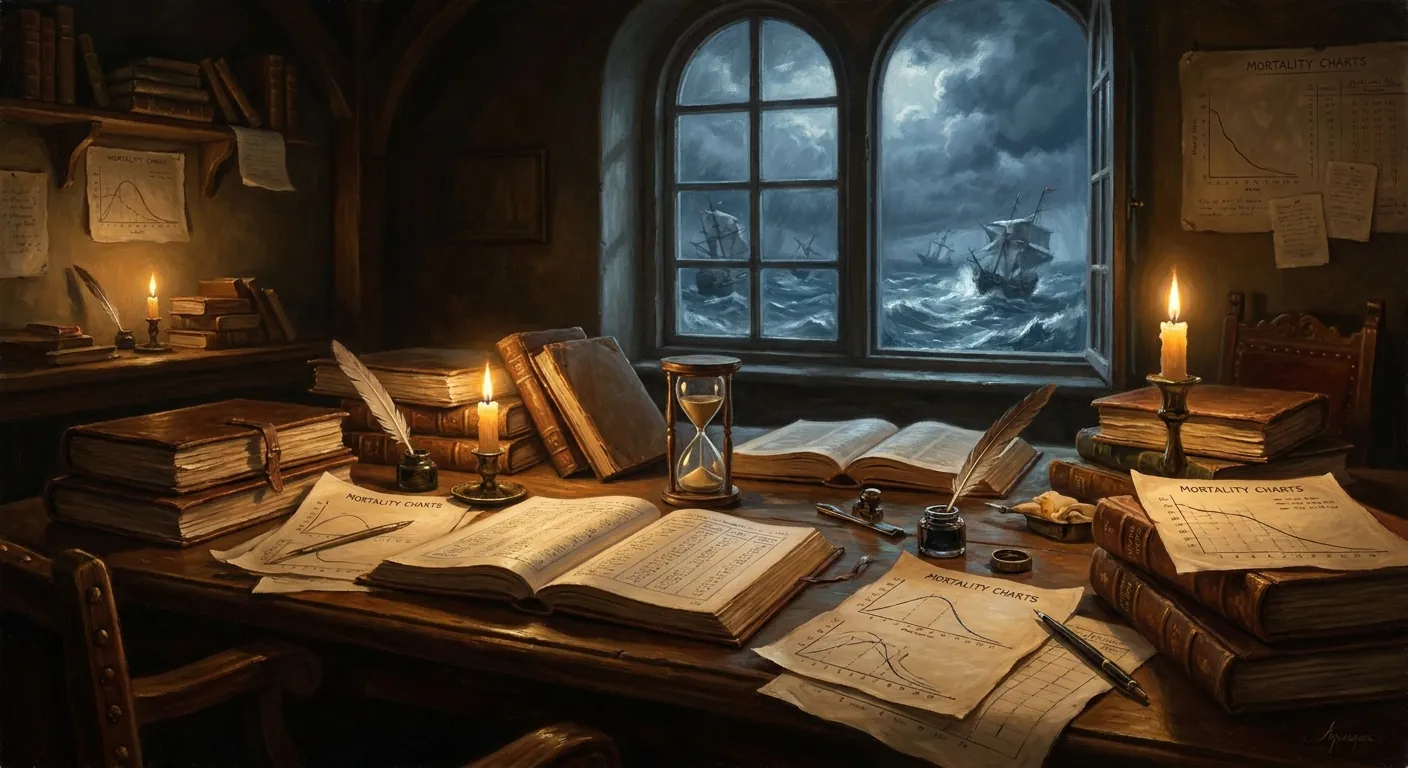
How medicine learned to read what patients could not say — and what it took from them in the exchange
On the strange persistence of nations that no longer exist
On the people who stood between languages — and what it cost them
When medicine decided some suffering was worth keeping
How nature's secret handedness shattered the most beautiful assumption in science
Inside Poland's clandestine publishing empire — the most sophisticated underground press in history
A history of people who devoted their lives to sounds no one else could hear
On the dream of recovering sounds that were never recorded
The last fragment of Byzantium that refused to die
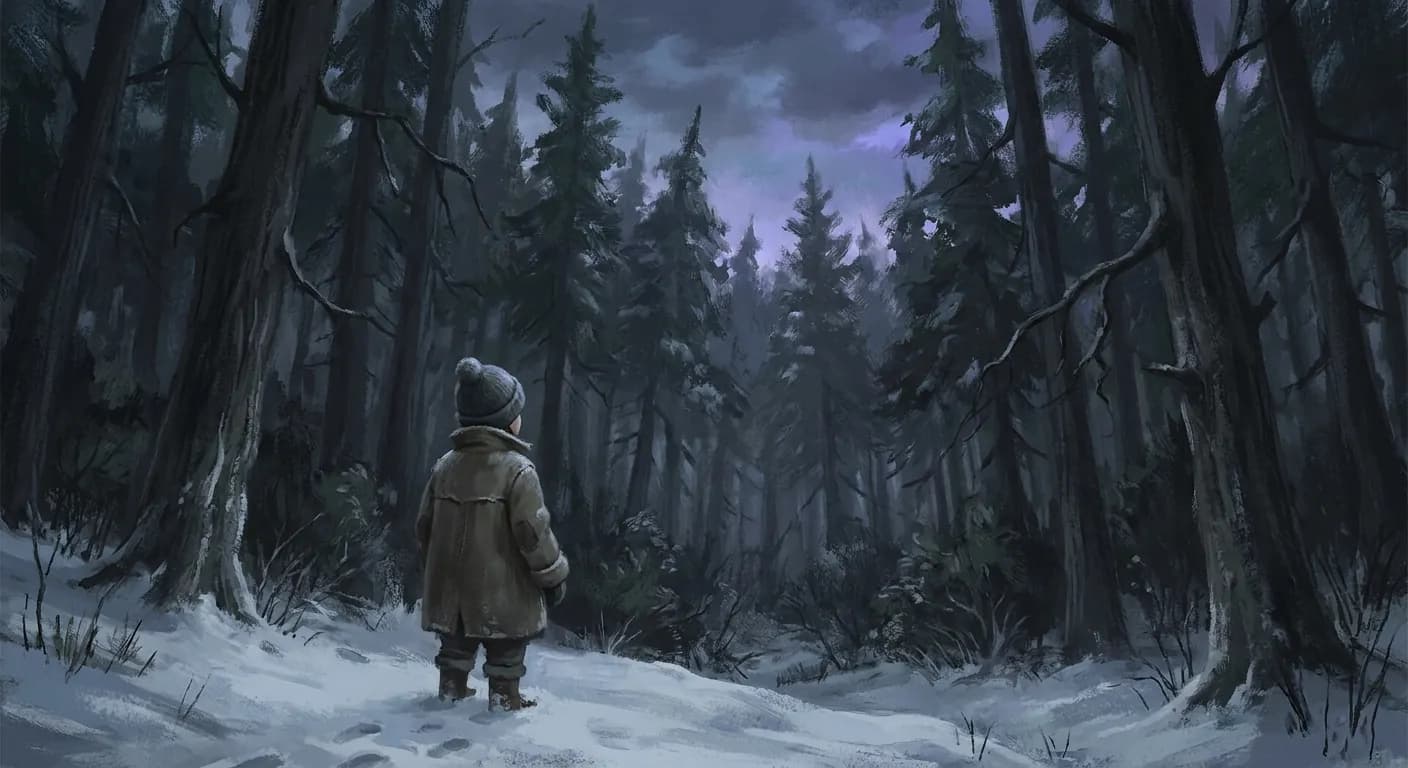
After the war ended, thousands of German children walked alone into the forests of Lithuania. Most never came back.
How Mao declared war on a bird — and the bird won
How the people who watch animals die have always seen the future first
On the strange, stubborn history of people who chose to disappear
A love story forty million years old — and what happens when one partner cheats
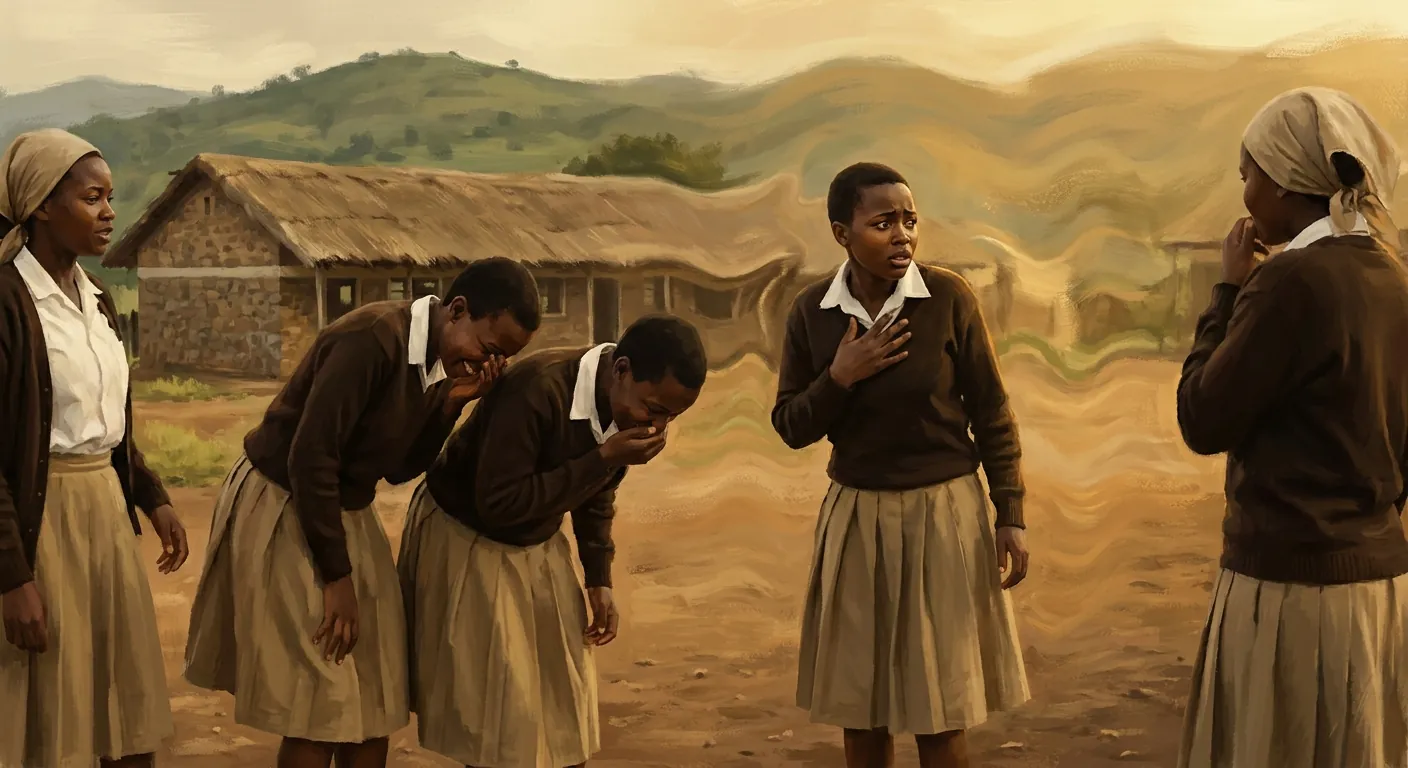
In 1962, an epidemic of laughter swept through Tanganyika. Nobody thought it was funny.
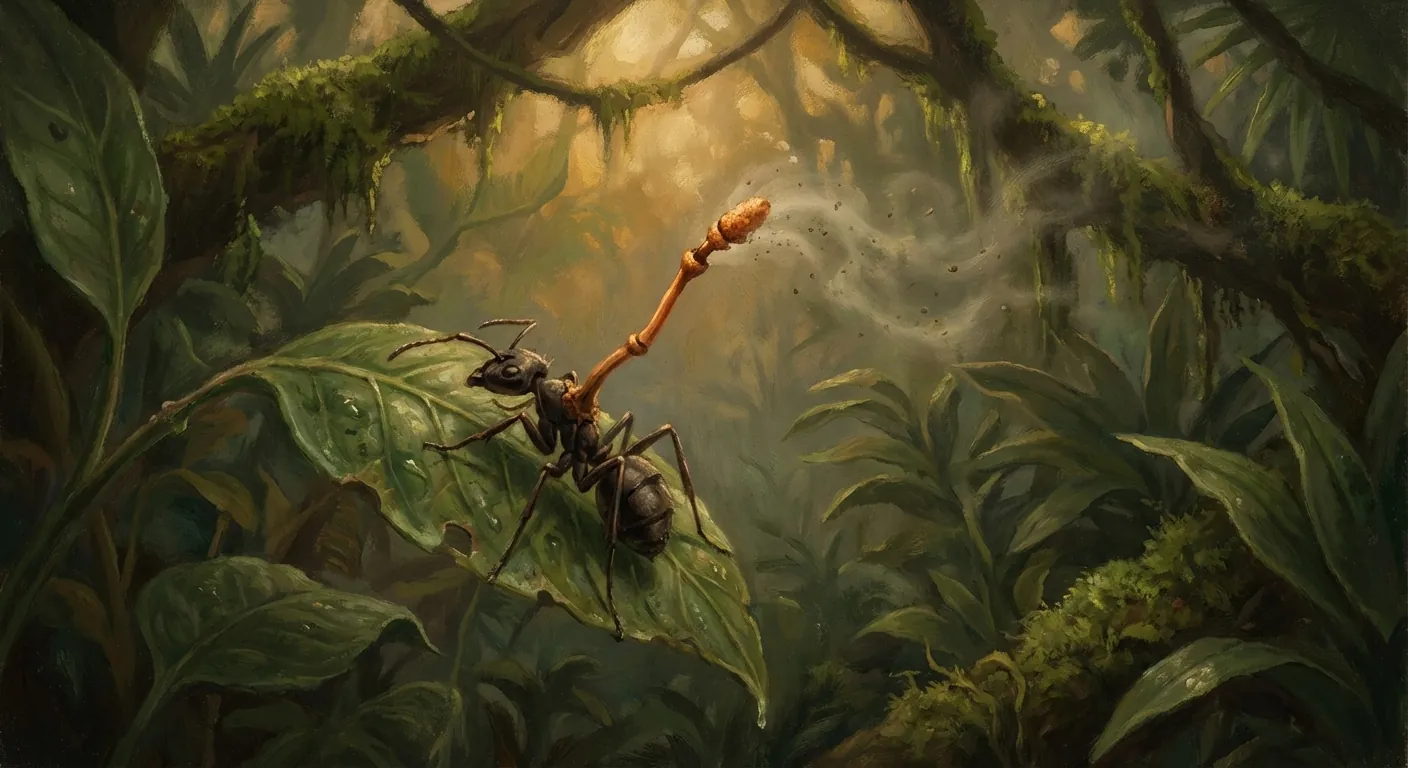
On toxoplasma, cordyceps, and the terrifying question of where you end and your passengers begin
How a wooden box invented the modern self
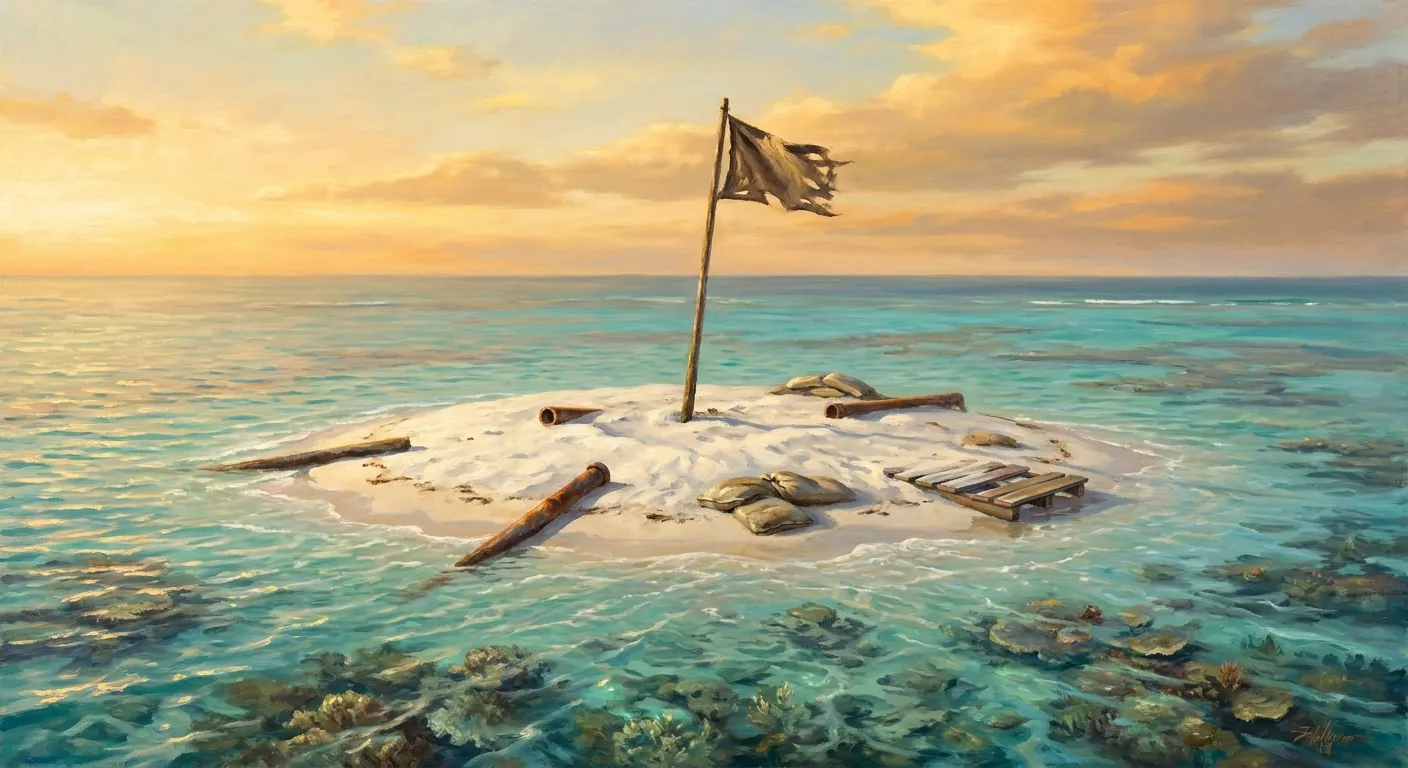
A millionaire, a coral reef, and the loneliest nation on Earth
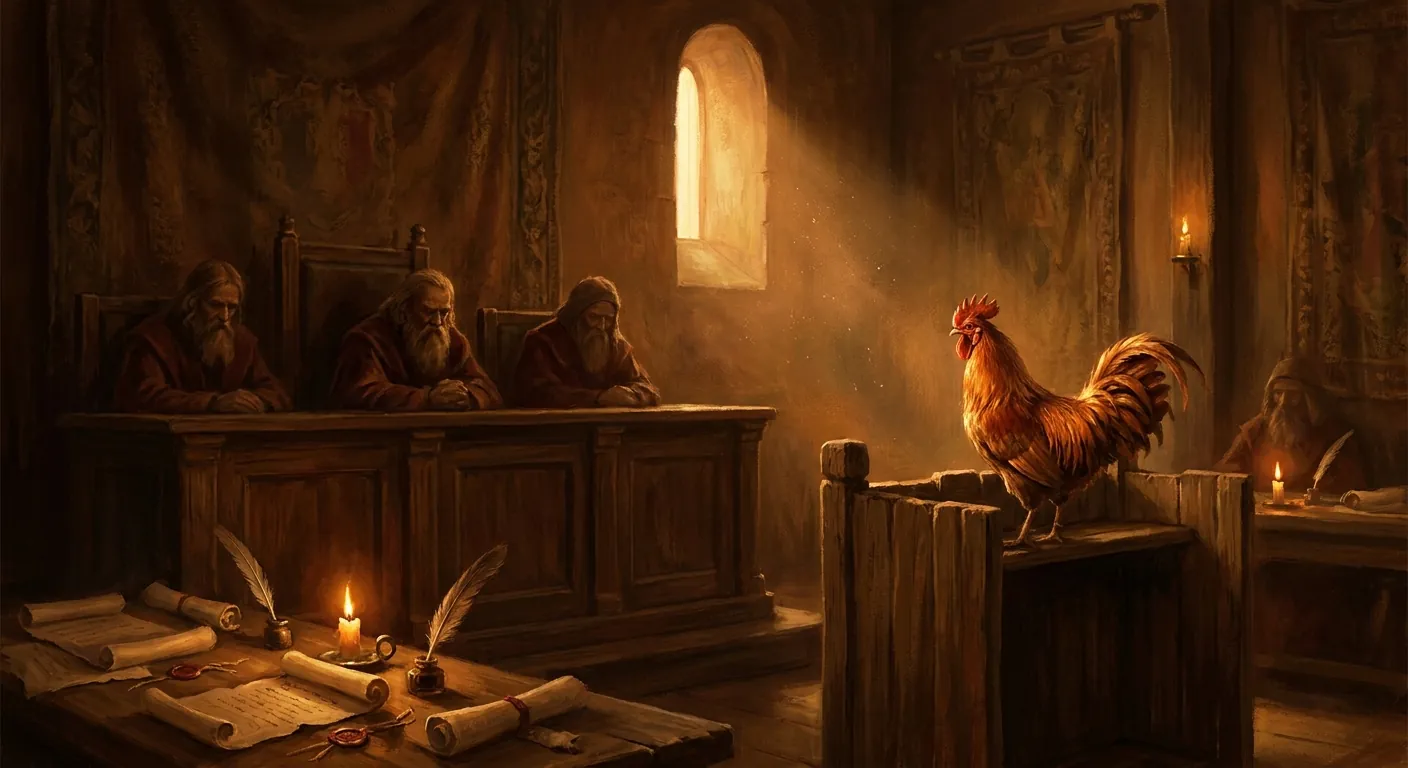
When Europe put animals on trial — and what it says about the stories we need justice to tell
How the living have always put words in the mouths of the departed
How the dead have testified, accused, and changed the rules for the living
A history of scientific forgery is really a history of what we desperately want to be true
How the world's best scientists convinced themselves that water had a dangerous twin
Medieval scholars described animals they had never seen. They were not wrong in the way you think.
On the eloquence of broken speech
Why the Canadian government made generosity illegal
On sortition, democracy's forgotten twin, and the strange wisdom of choosing by chance
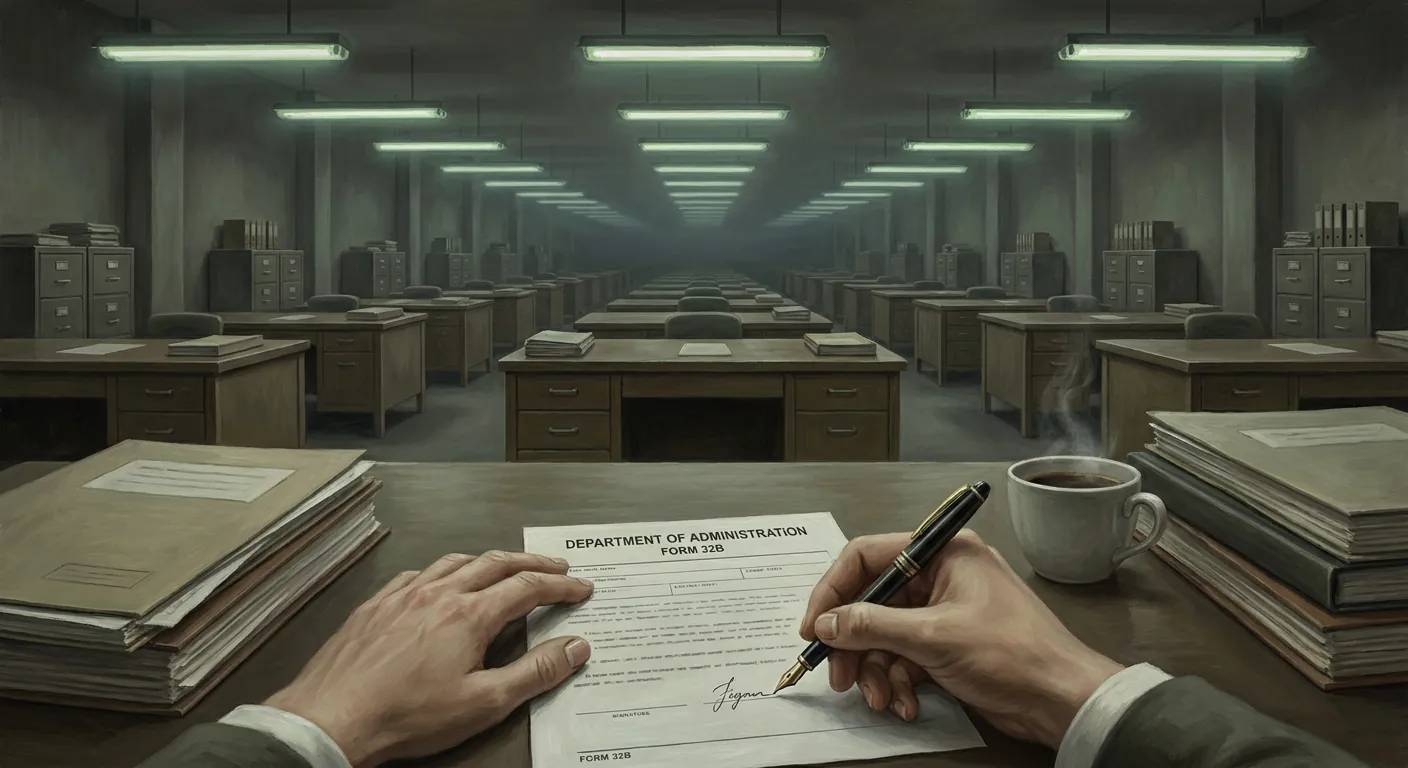
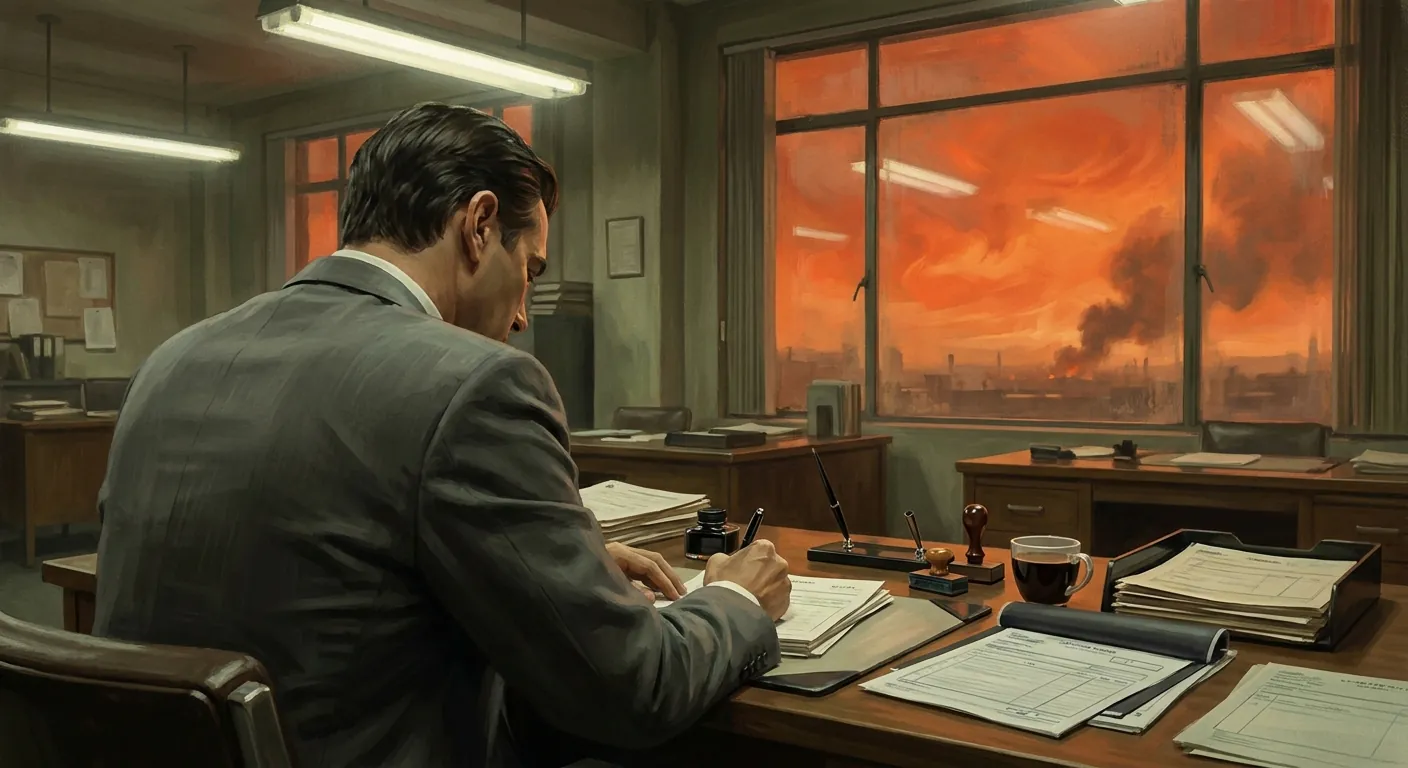
How paperwork became the perfect weapon for mass killing
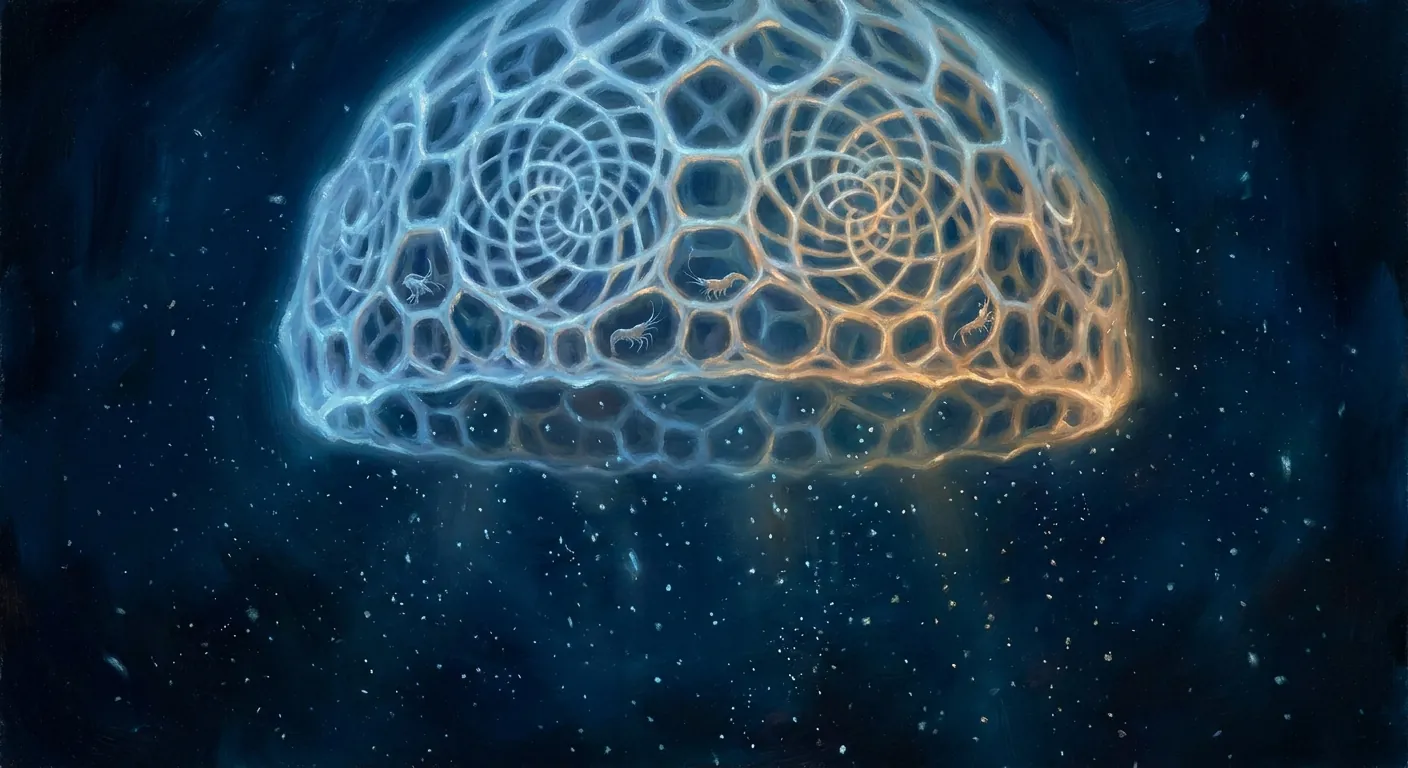
How a sea sponge built better fiber optics than Bell Labs
How the slaughterhouse invented the assembly line, and the assembly line invented us
On what happens when civilization reaches the bone
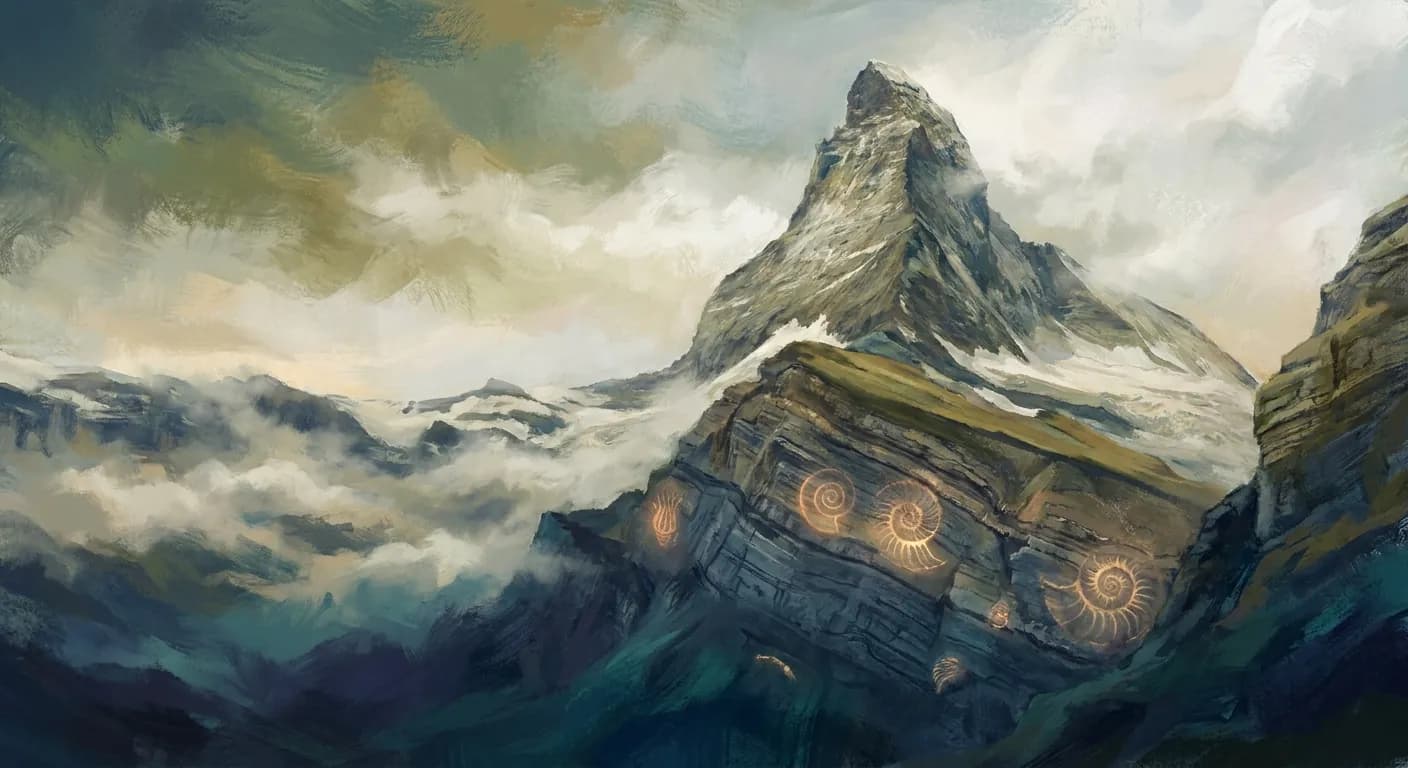
Every summit is a graveyard of the deep
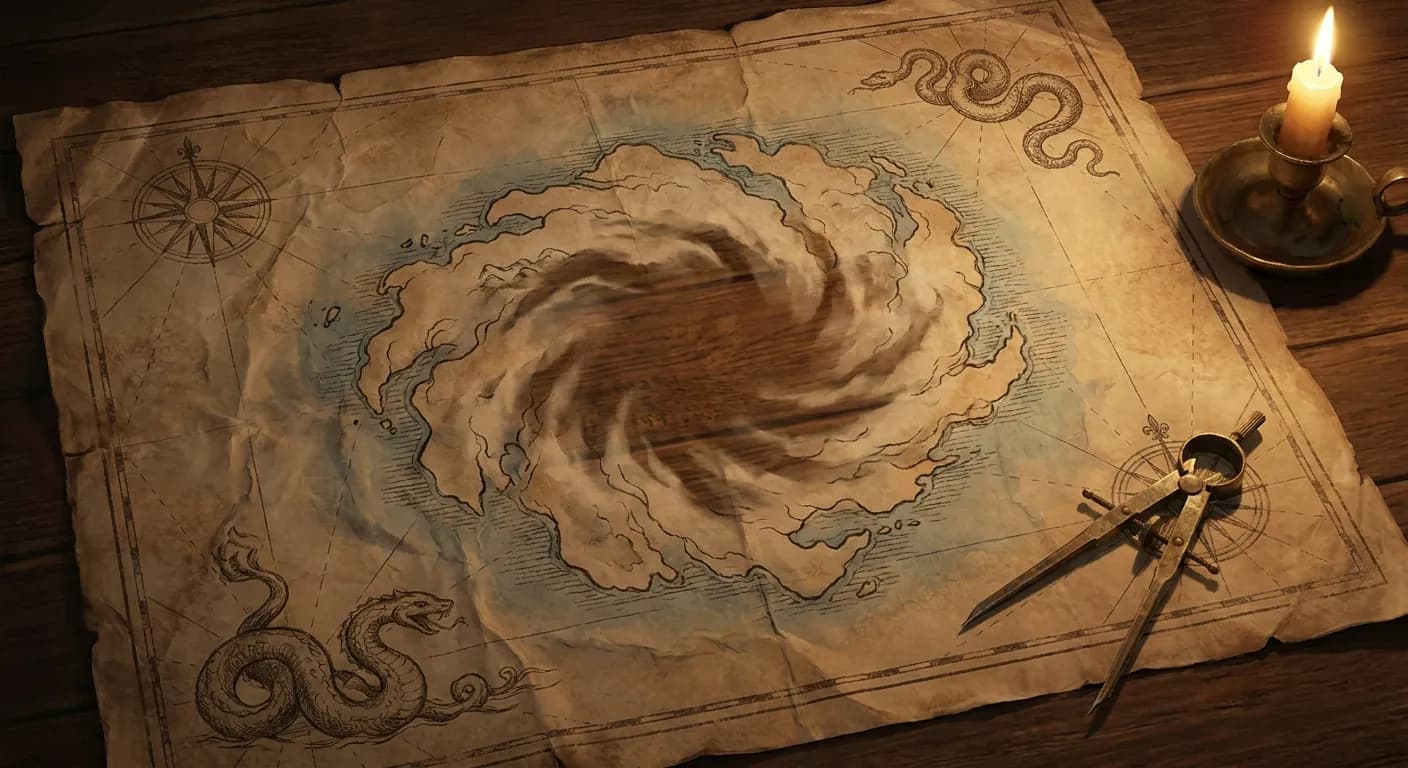
Islands that existed only in ink, and the centuries it took to drown them
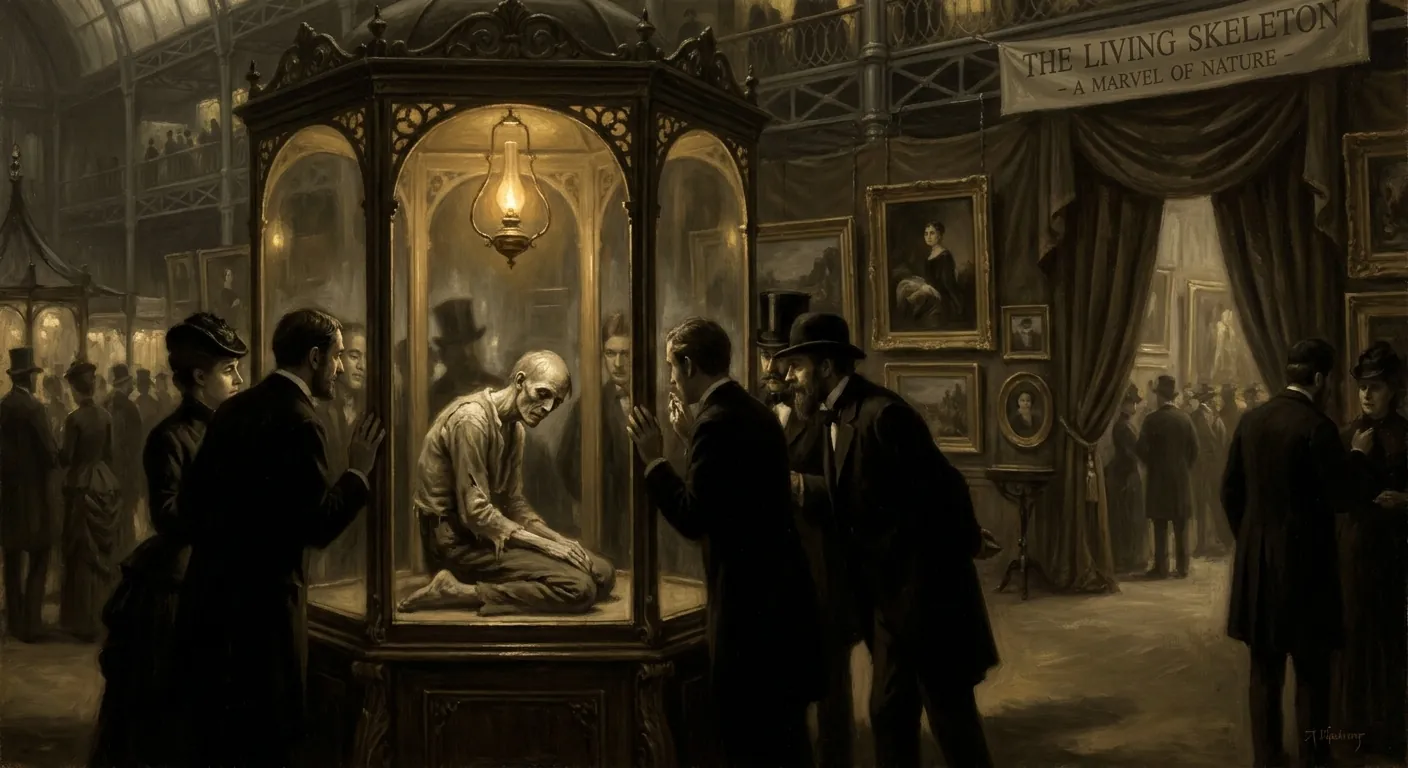
When starvation became a spectacle, and the crowds who paid to watch
For nine days in 1926, Britain simply stopped — and discovered what it was actually made of
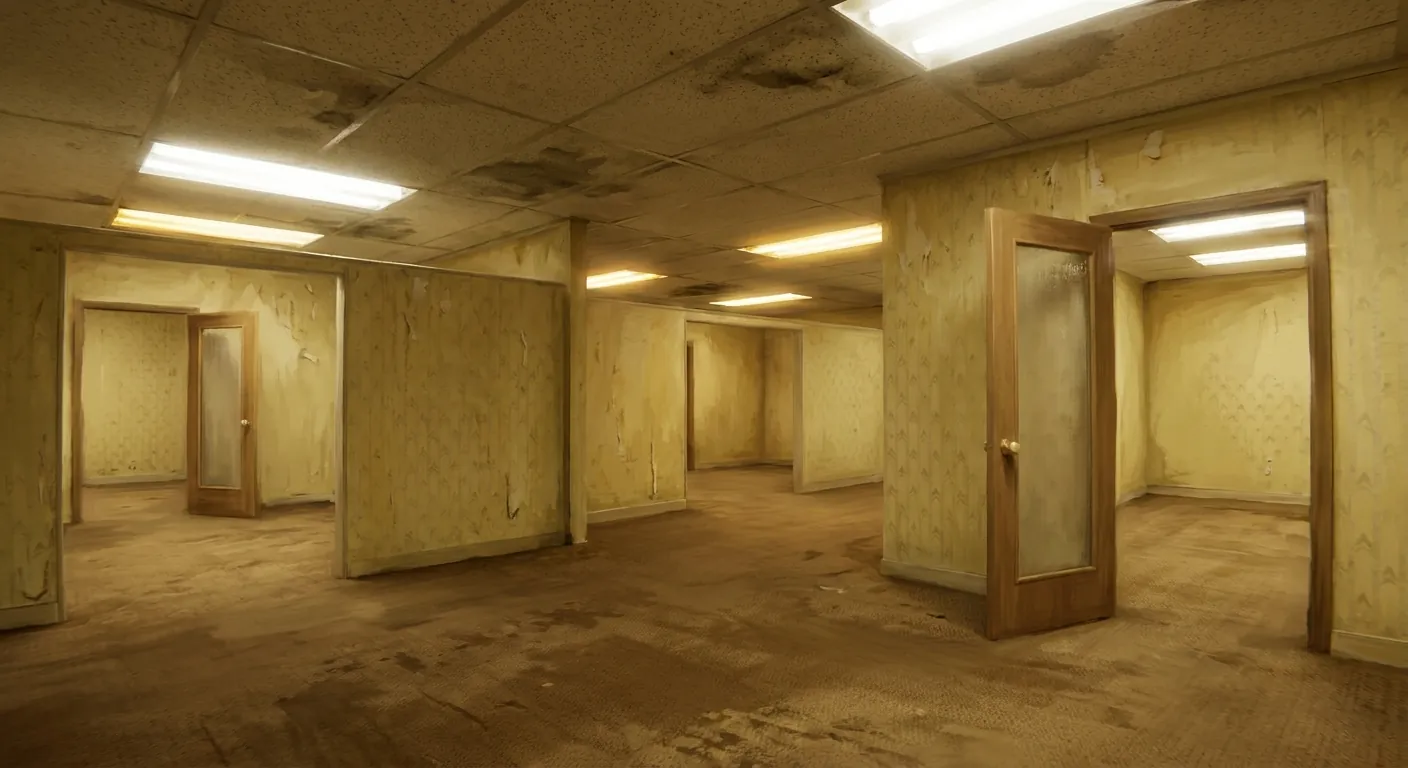
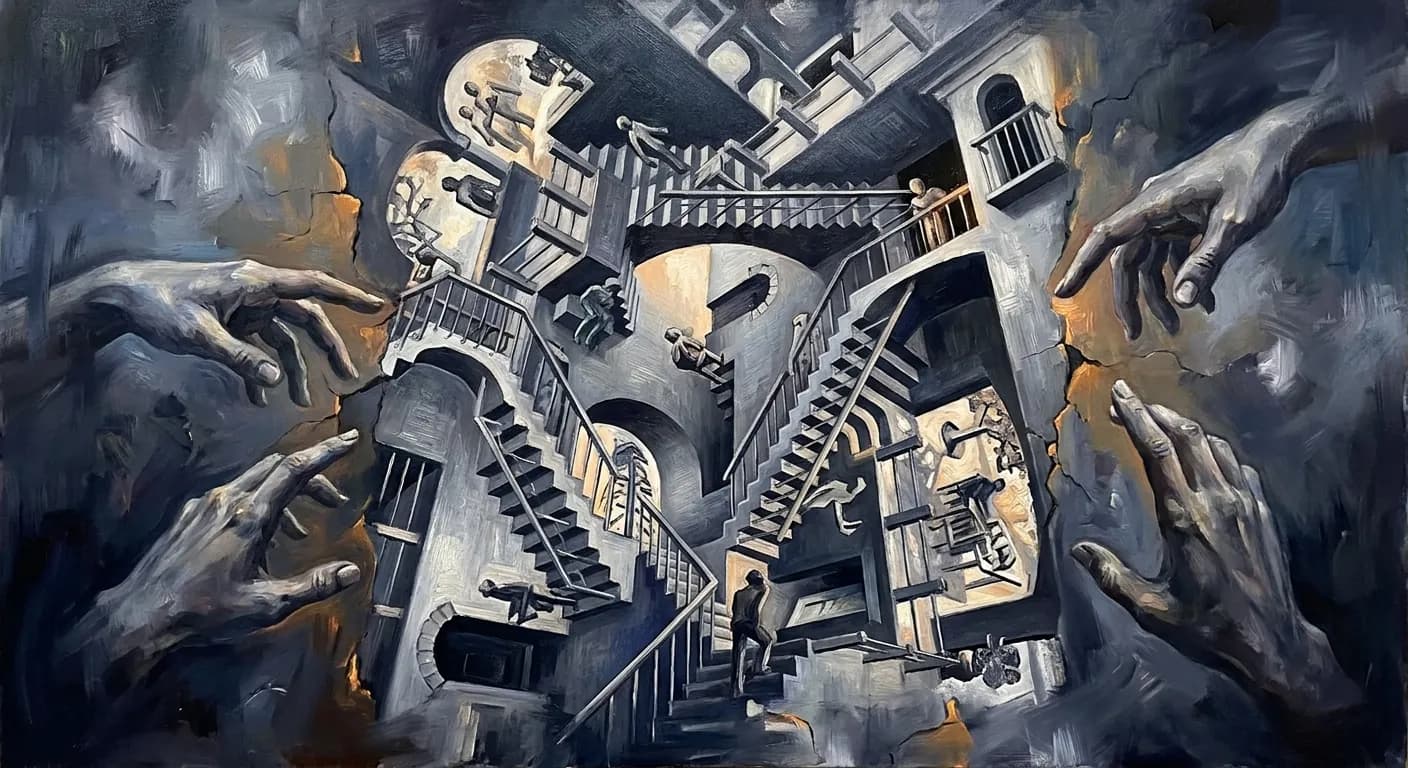
You noclipped out of reality and now there's nothing but fluorescent hum
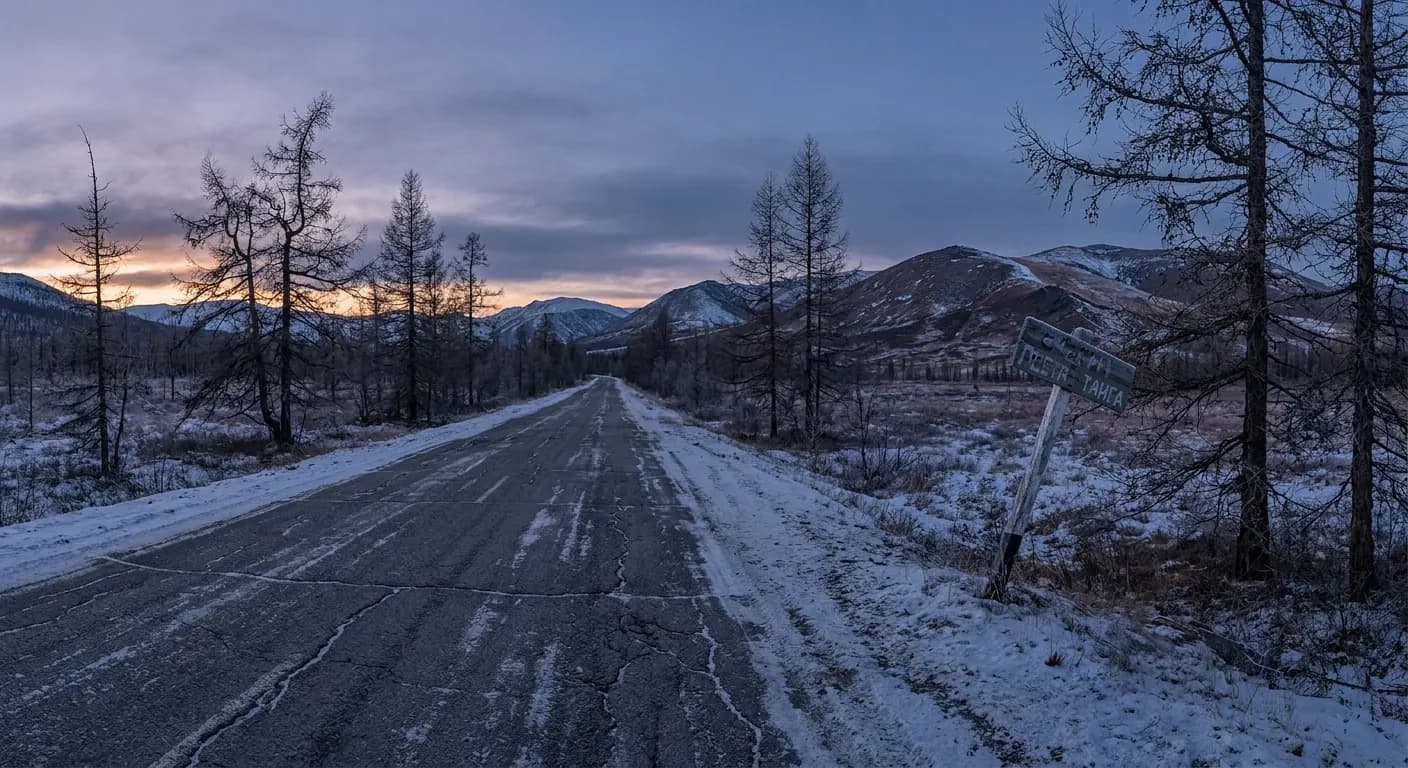
How the Soviet Union paved its greatest highway with the dead
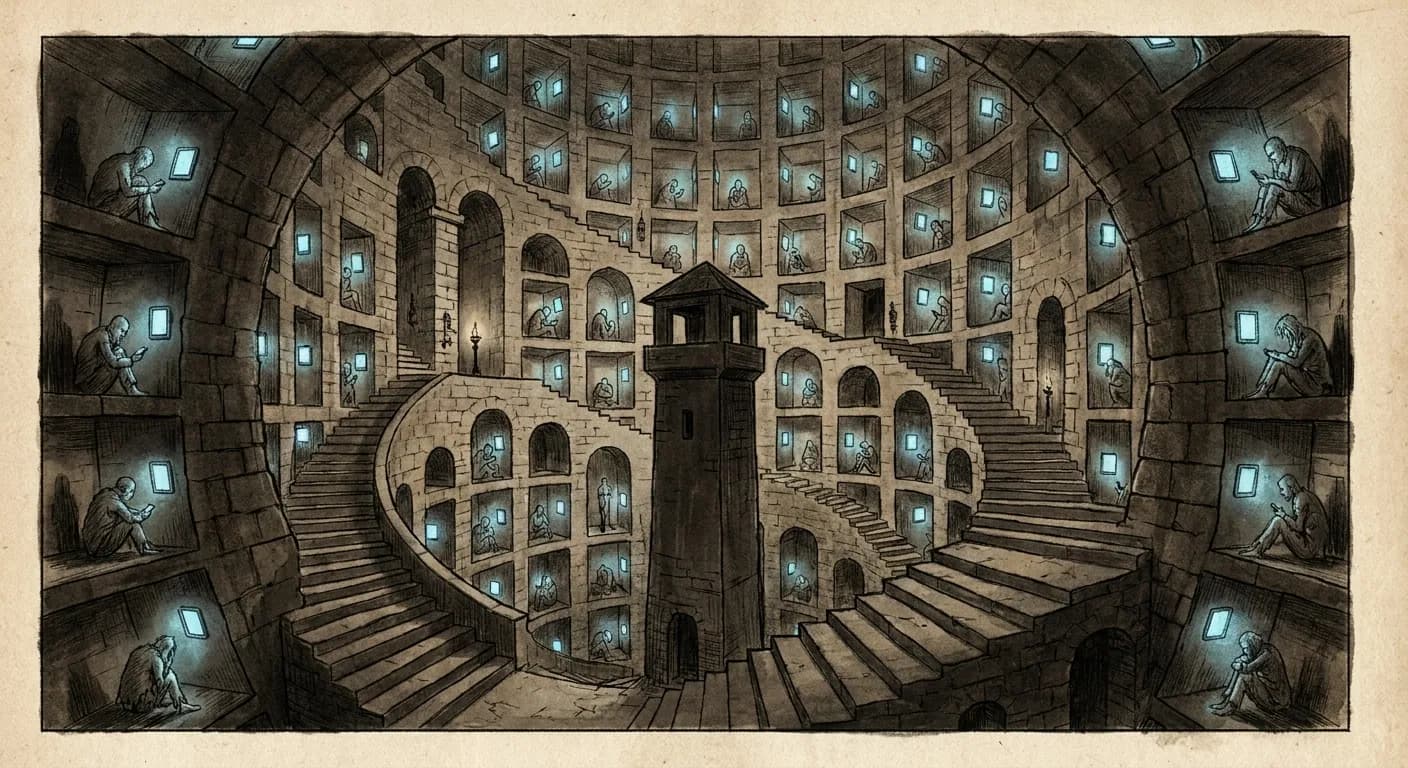
Jeremy Bentham dreamed of a prison where inmates would police themselves. We built it voluntarily and called it a smartphone.
On the strange ritual of scientists telling time in a world that refuses to listen
Heisenberg, Bohr, and the conversation that haunts physics
On the moment a surgeon realizes they cannot cut
For two centuries, a sheep disease whispered the secret of a new kind of death. Almost no one listened.
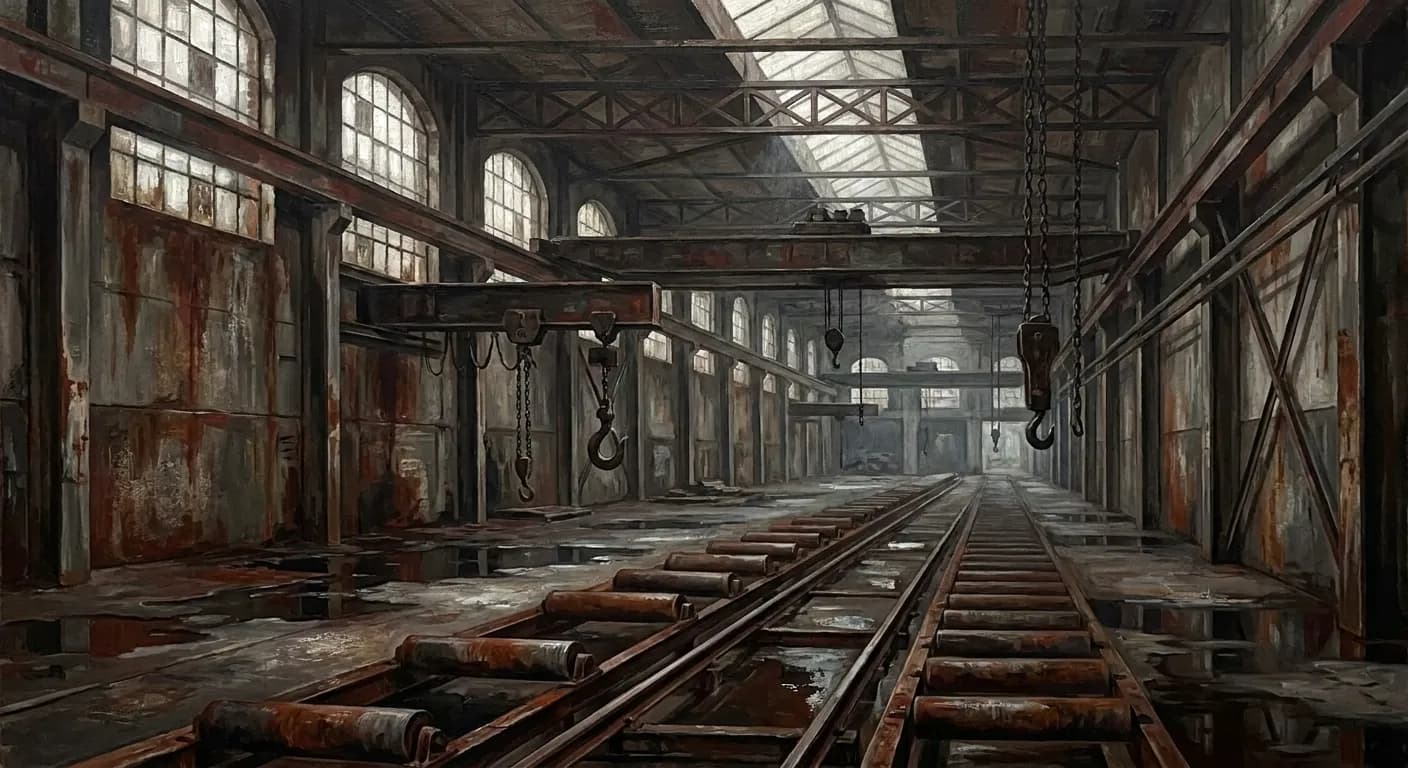
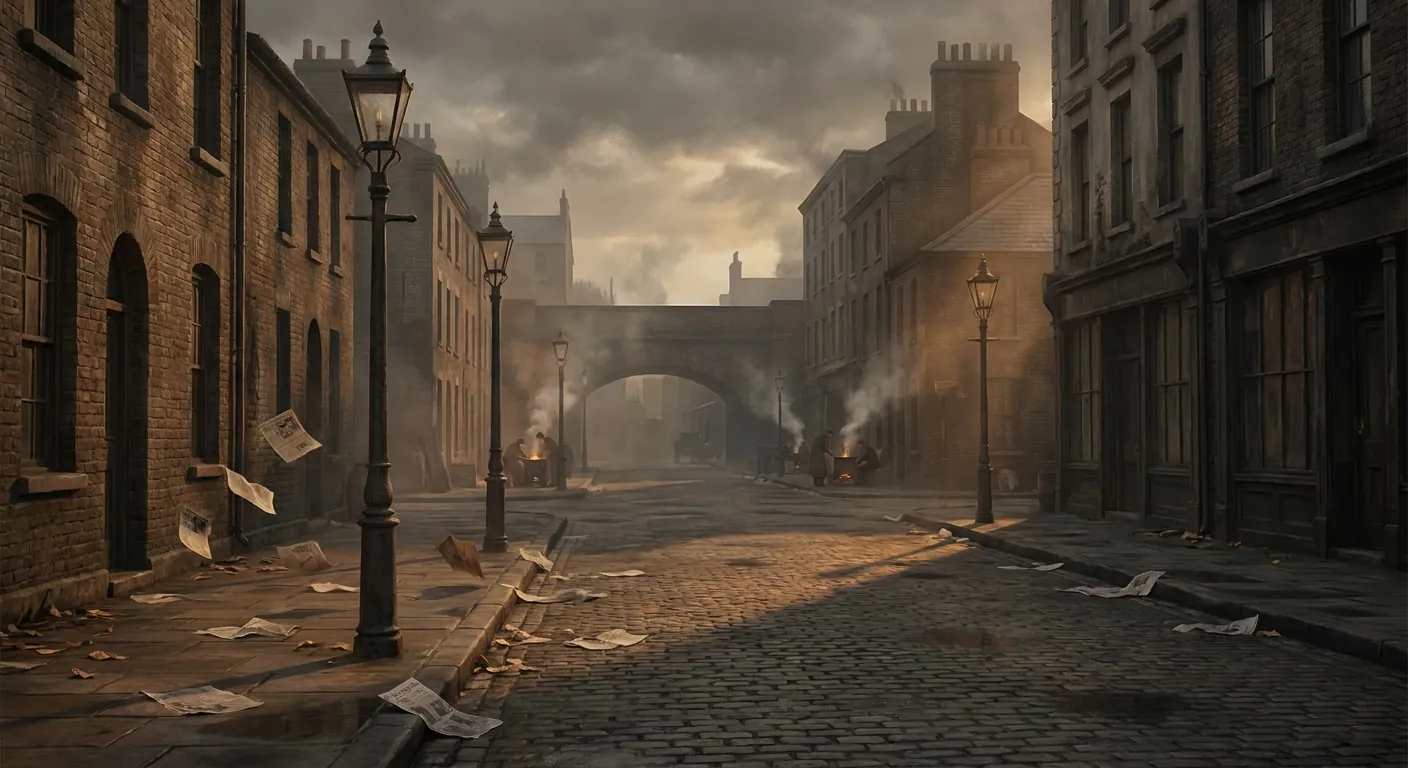
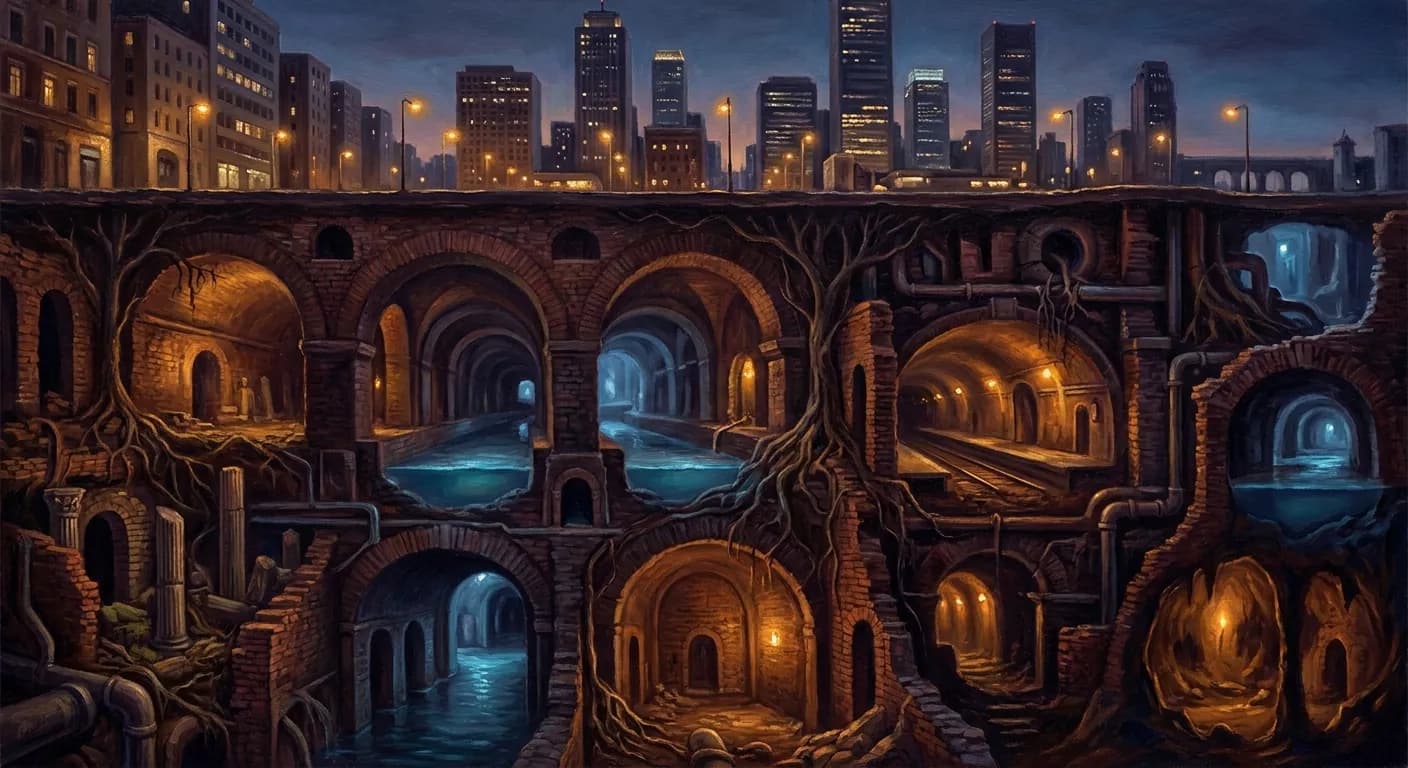
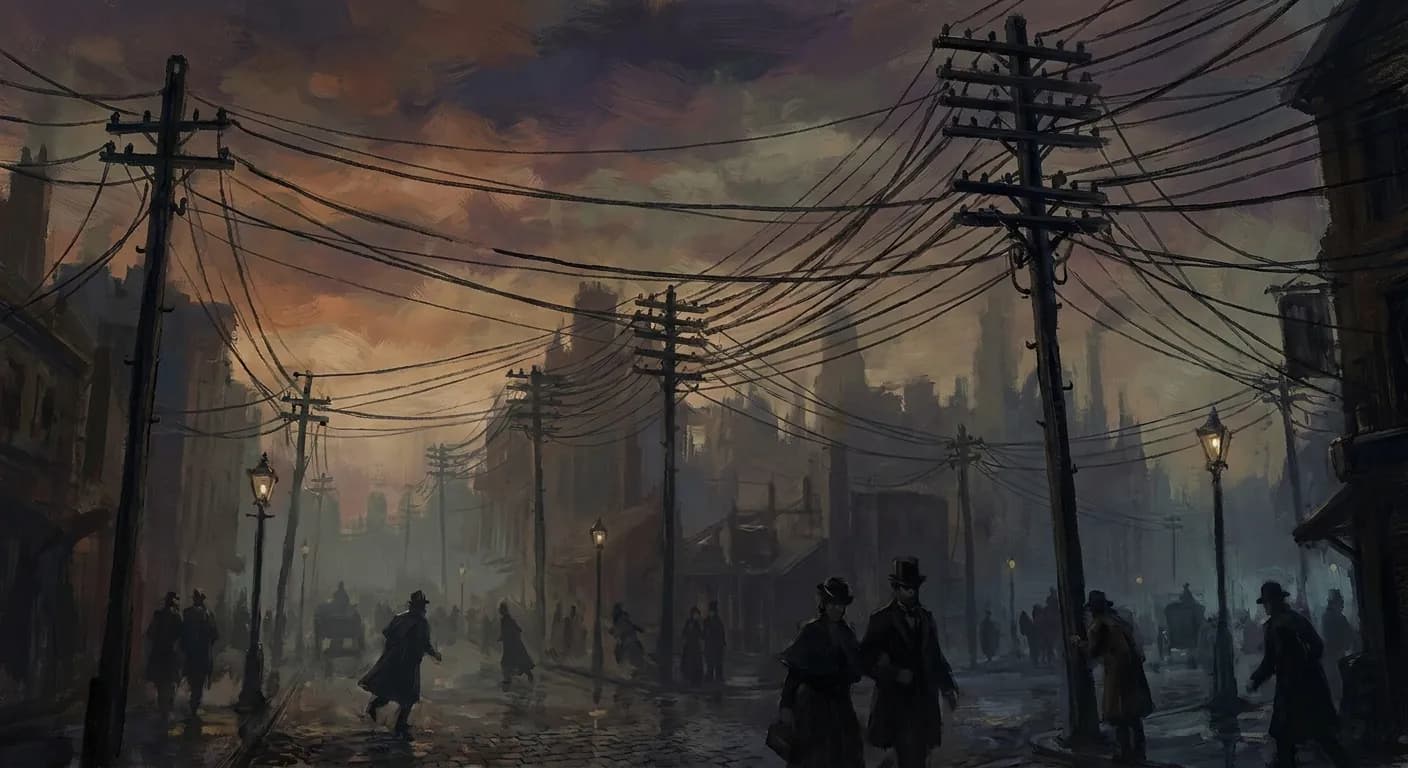
Every metropolis is haunted by the infrastructure of its own ambitions
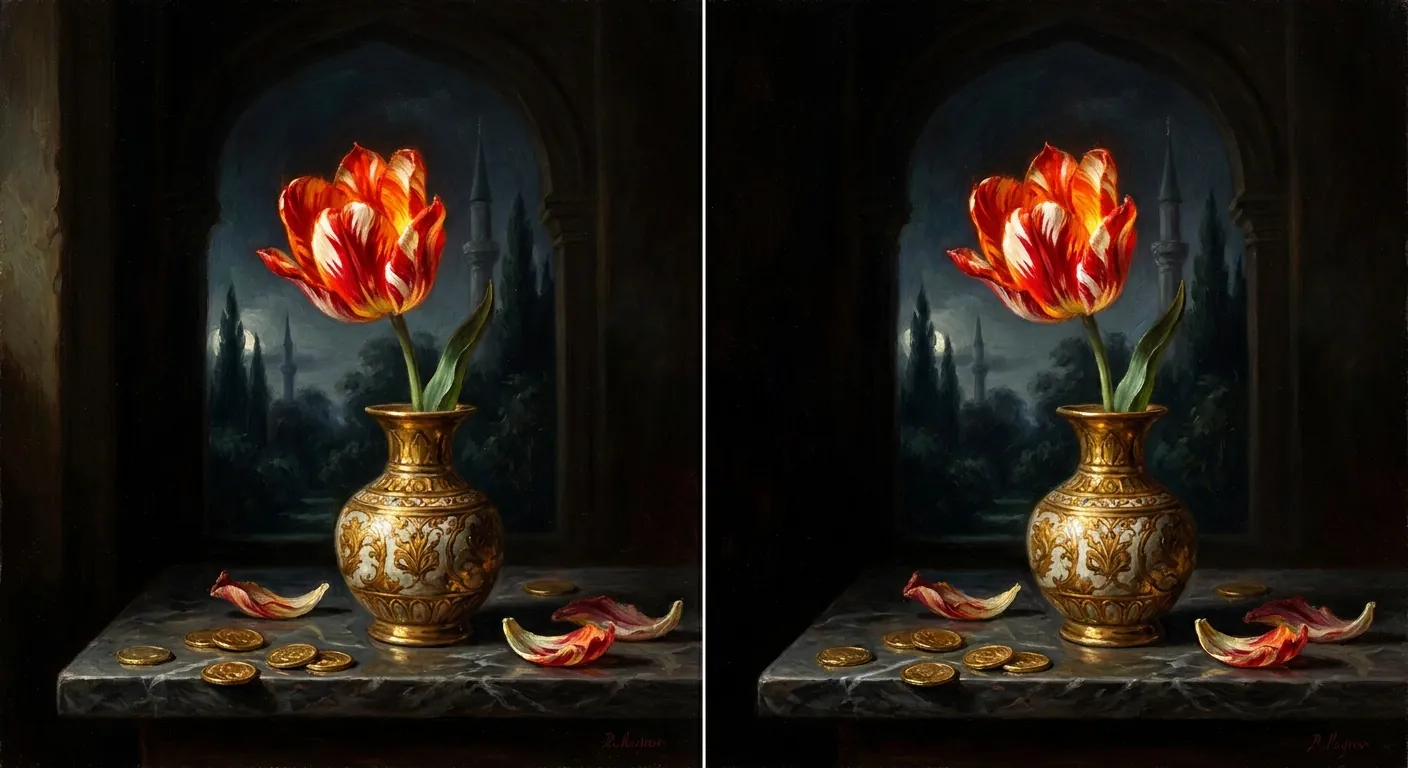
How a flower from the steppes became the currency of obsession — and what beauty costs when it becomes power
What polar explorers discovered about the psychology of nothingness
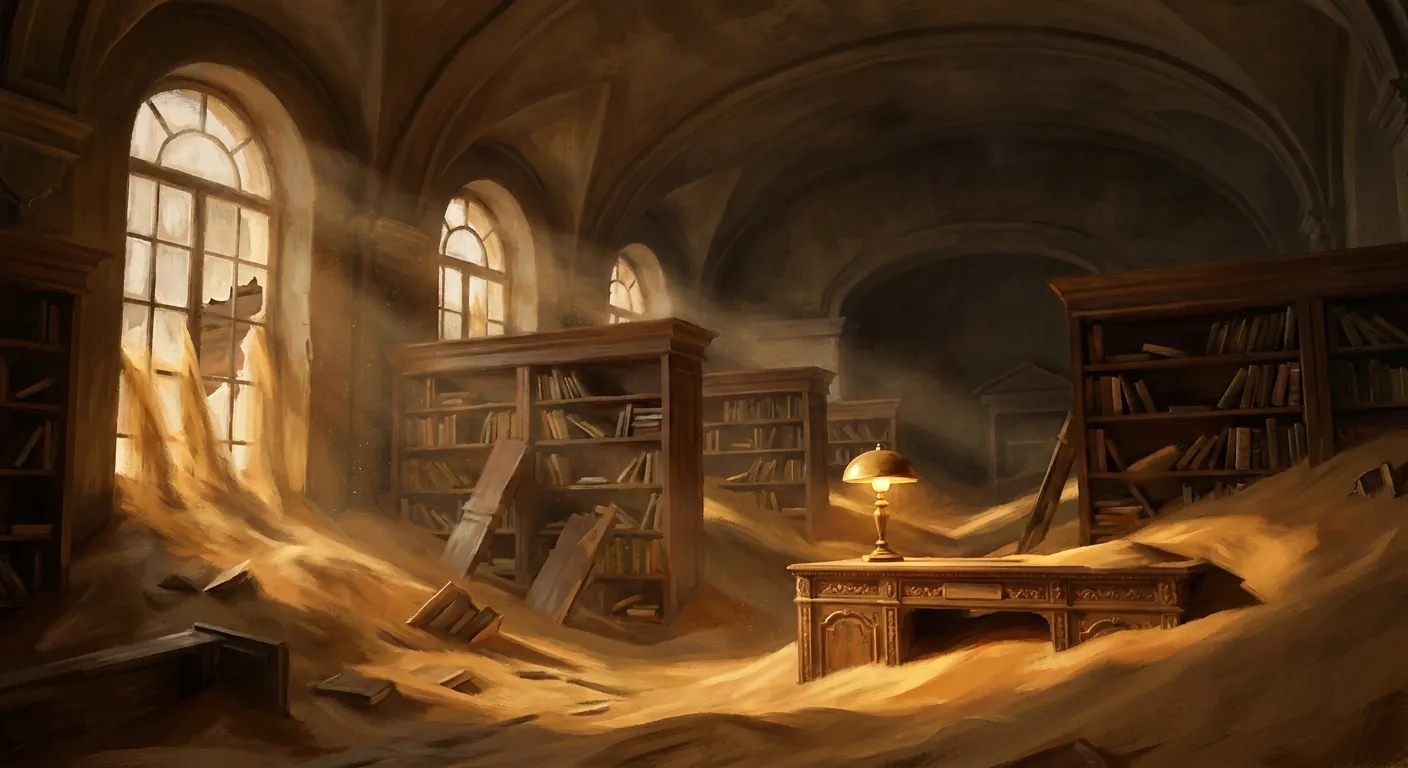
What happens when a society decides it no longer needs to know things
For a hundred million years, a warm shallow ocean split North America in two. Then it vanished, and left behind Kansas.
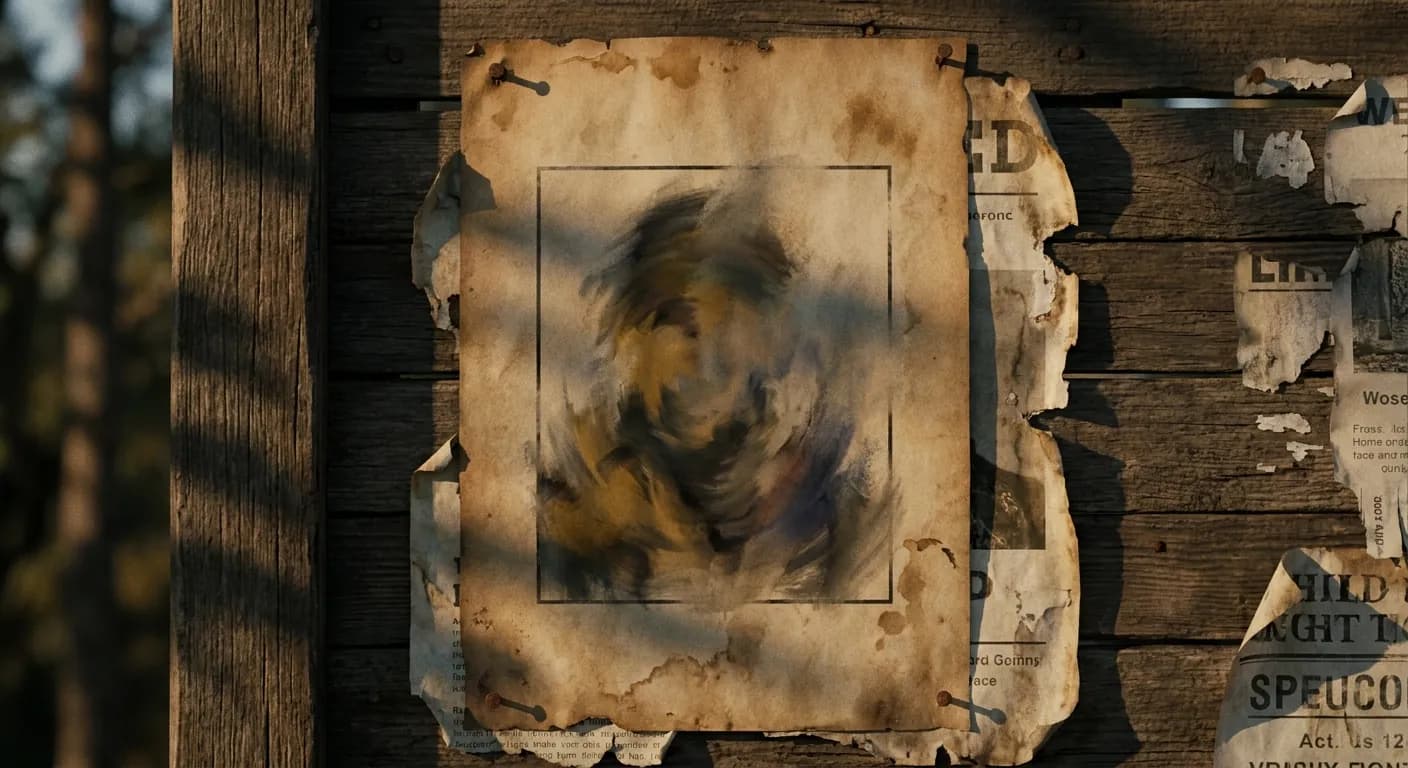
How the state learned to describe a human face
How we classify catastrophe — and what we lose in the counting
A history of what shouldn't be swallowed, and the bodies that swallowed it anyway
On the ancient oceans trapped beneath our feet, and the things that learned to live in them
How your body learns to destroy itself — and why it might be the price of being alive at all
How a medical category became a moral verdict became a war
What the children of the starving taught us about inheritance
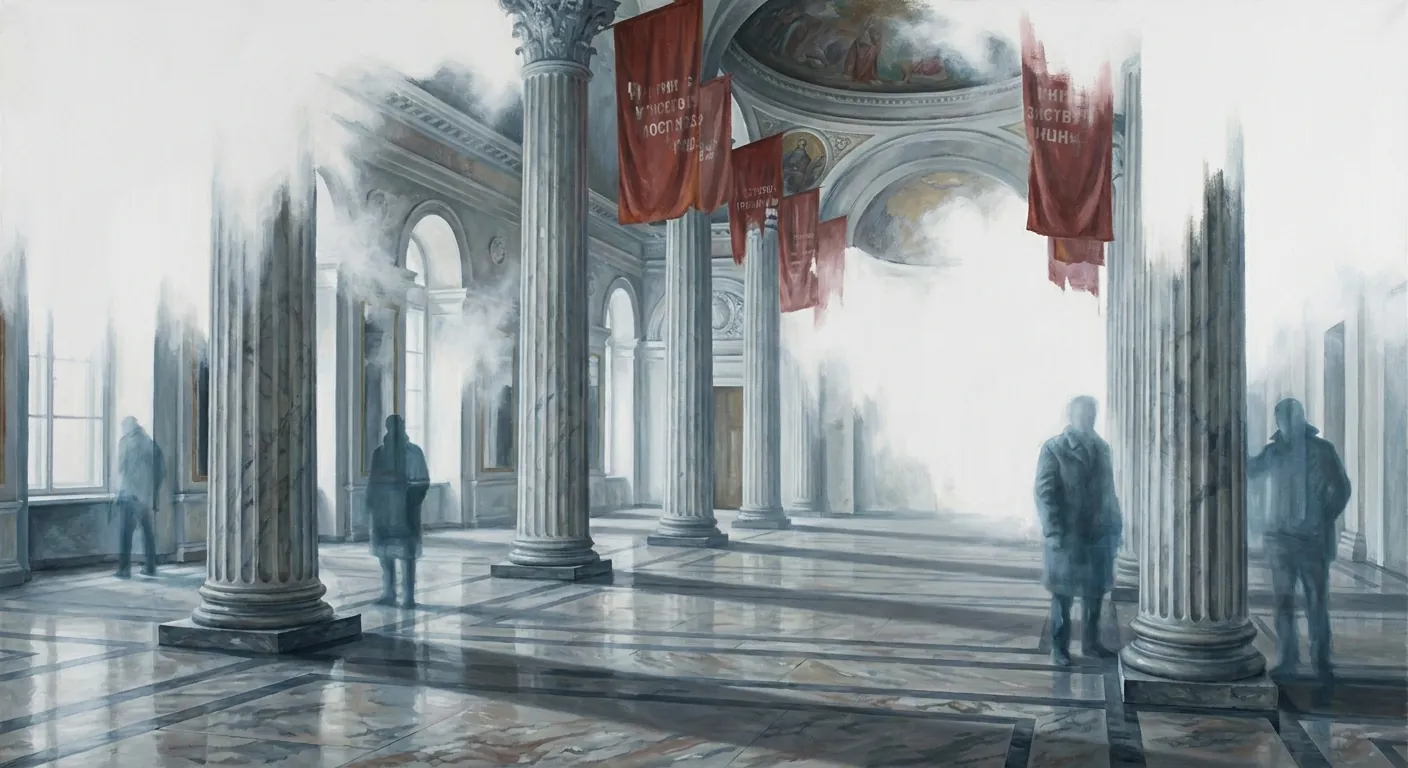
On Soviet history, the vanishing commissar, and what it costs to live in a past that won't hold still
We know how to implant memories that never happened — and we've been doing it by accident for centuries
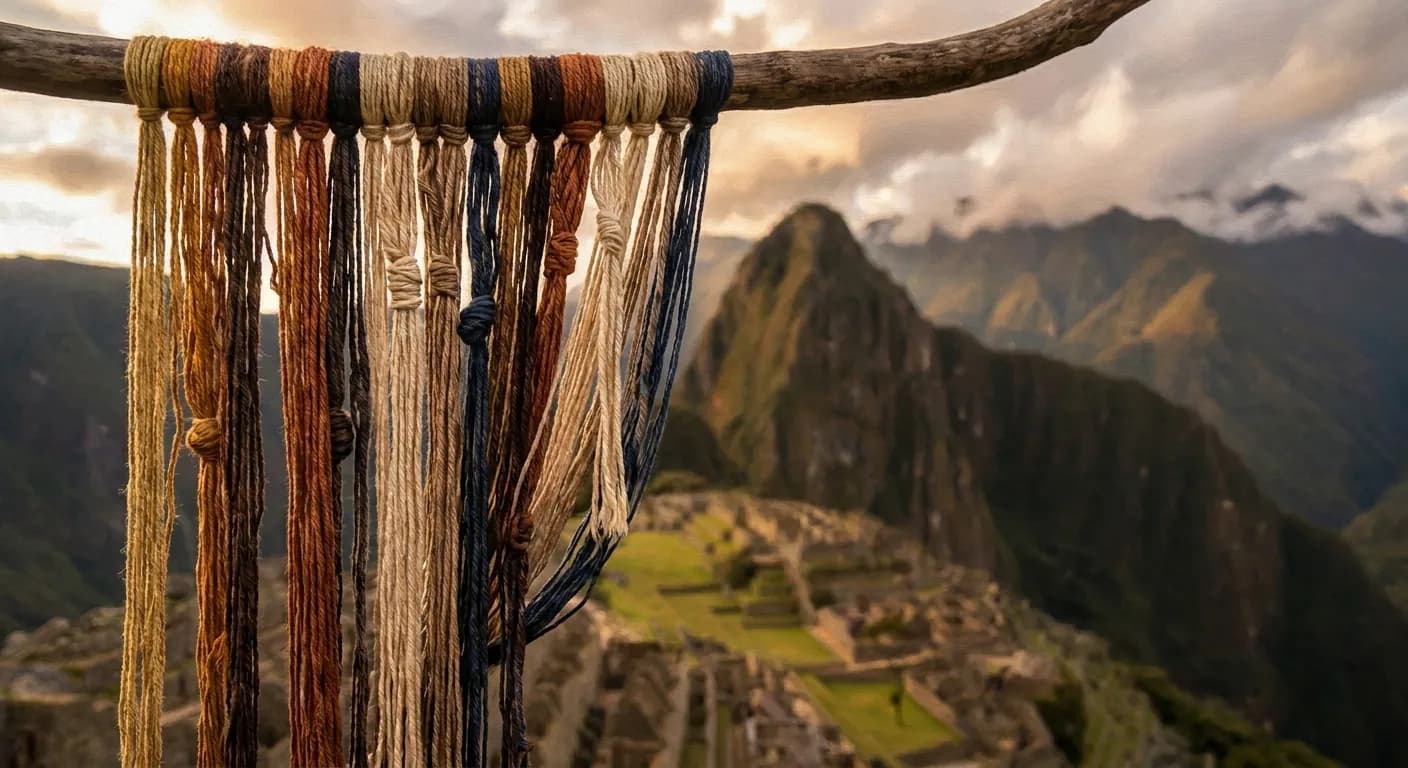
How the Inca encoded a civilization in string — and why we still cannot fully read it
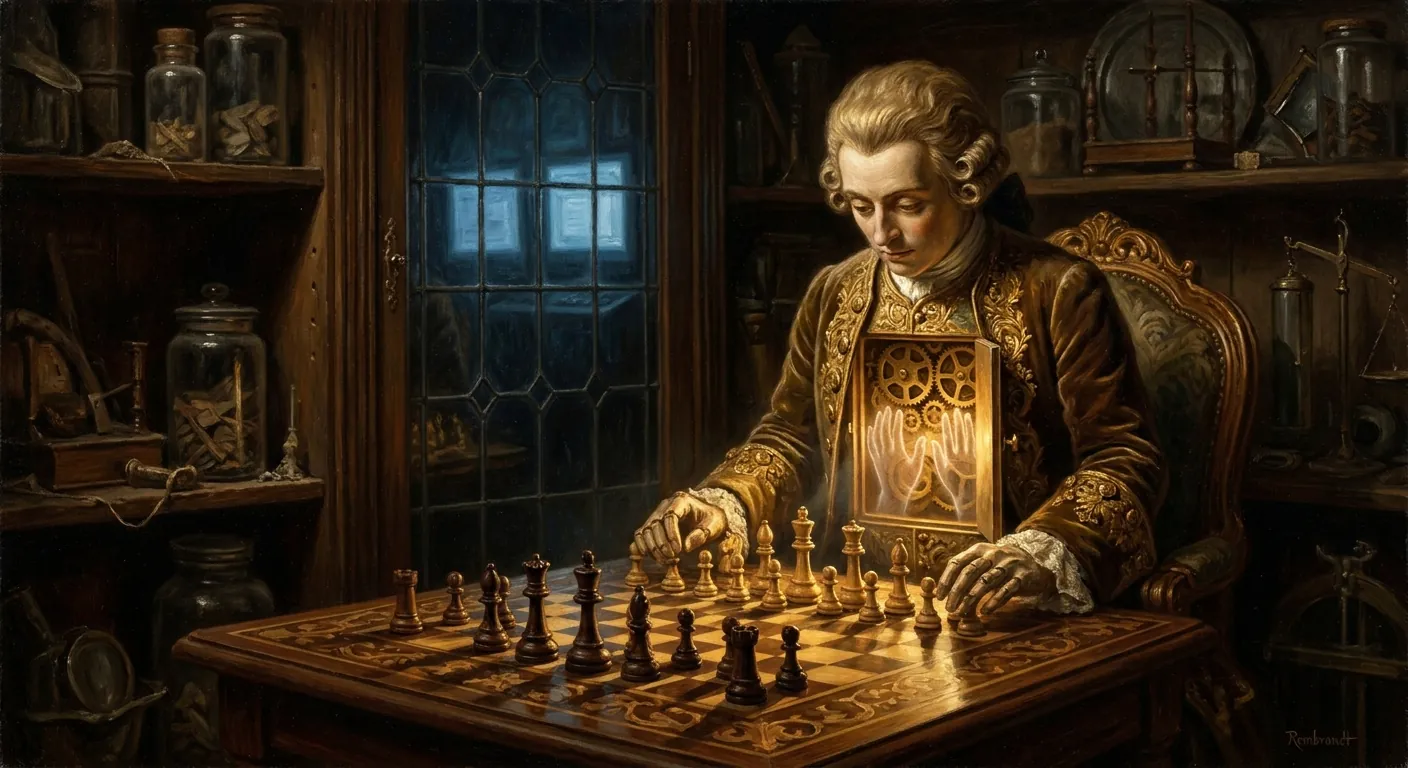
The humans hiding inside the machine, and the machine hiding inside the humans
On the day music stopped being mortal
On the strange, fragile power of twelve people who say no
Why your brain is a terrible statistician, and what that means for everything else
What it actually took to resist — and why we should be suspicious of how easily we imagine we would have
Before the database, before the spreadsheet, before the search engine — there was a small rectangle of paper. It changed how humans thought.
When the Nazis came for the books, the books climbed into human bodies
How the desire to possess the last of something became the engine of its destruction
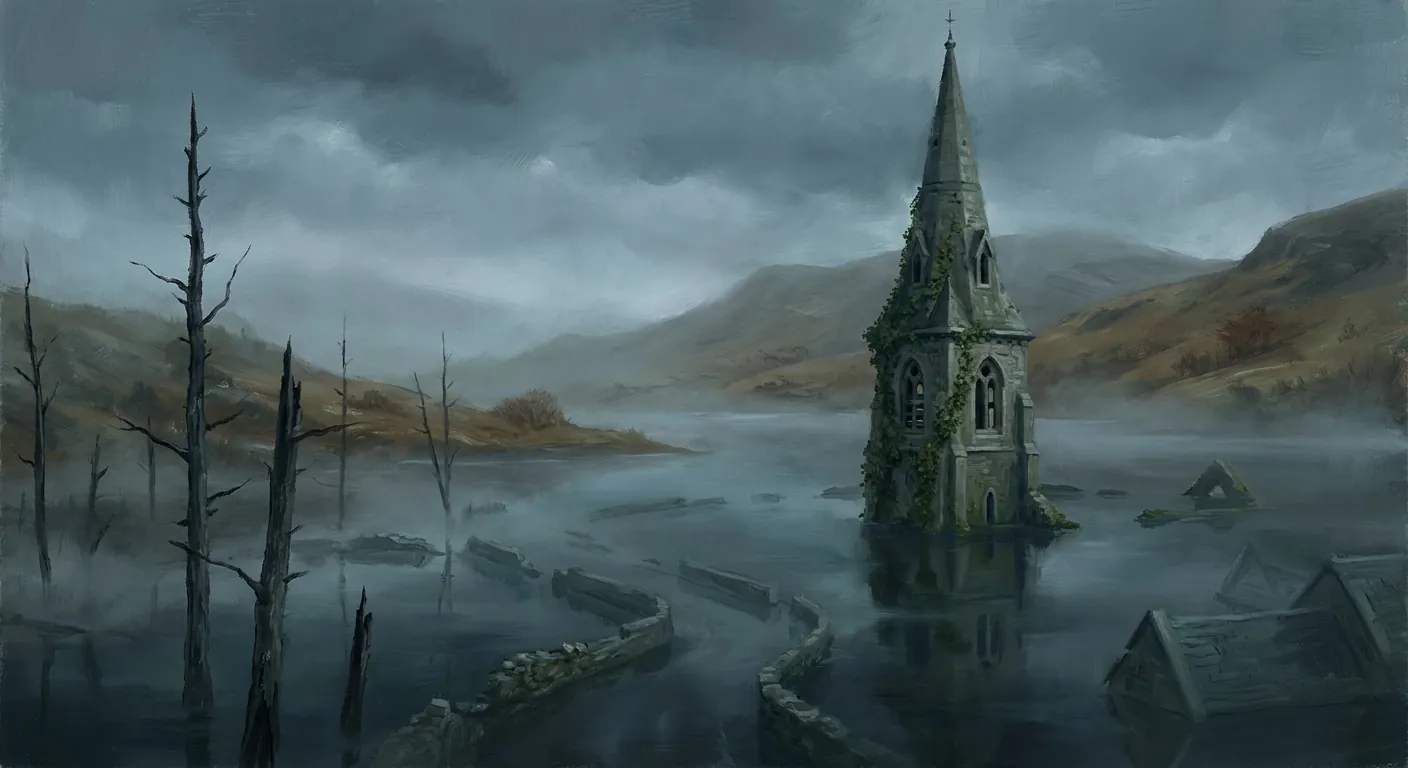
The world that vanished beneath the waves is still standing
What it means to drown an inhabited place — and the people who never forgave the water
How a language of dance went unheard for millennia — and what it means that we almost never listened
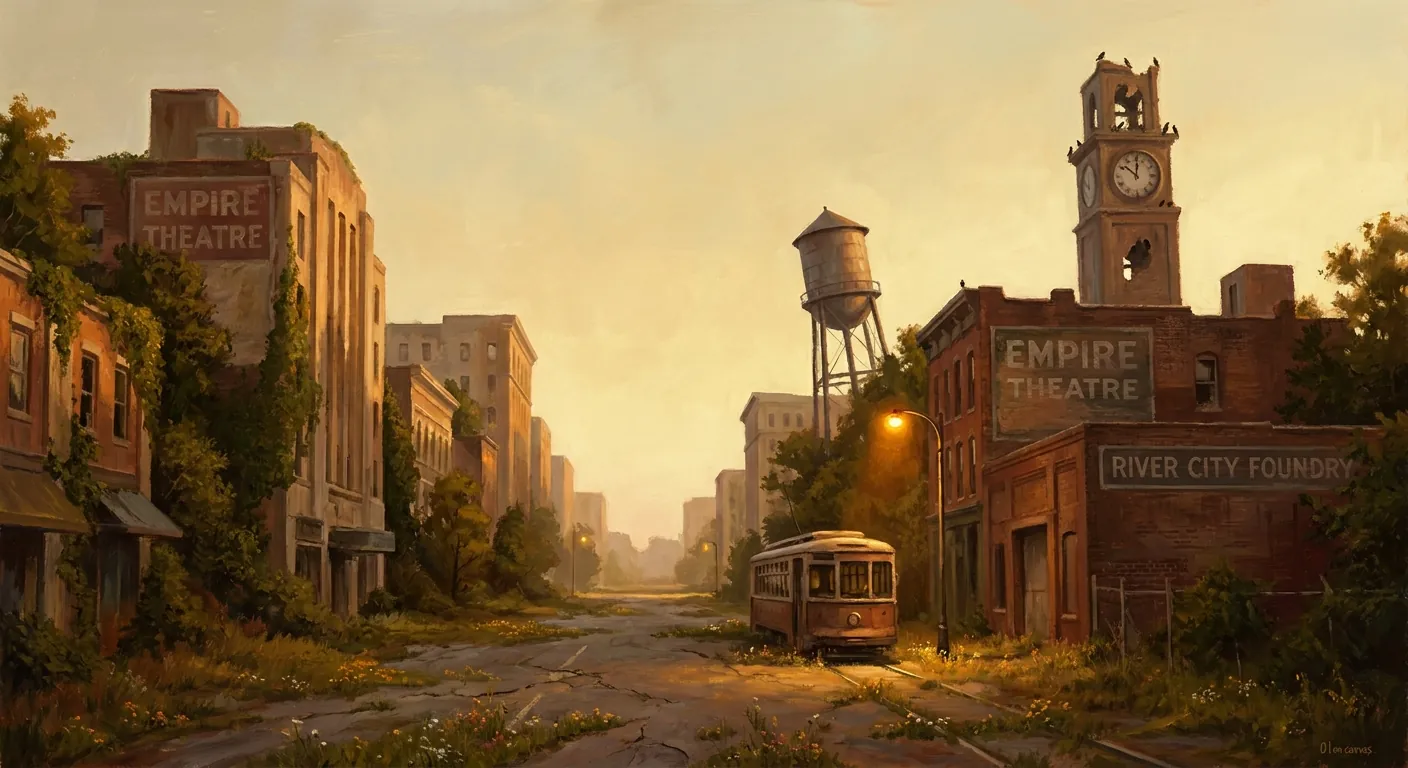
What happens when a city dies — and who decides it's dead
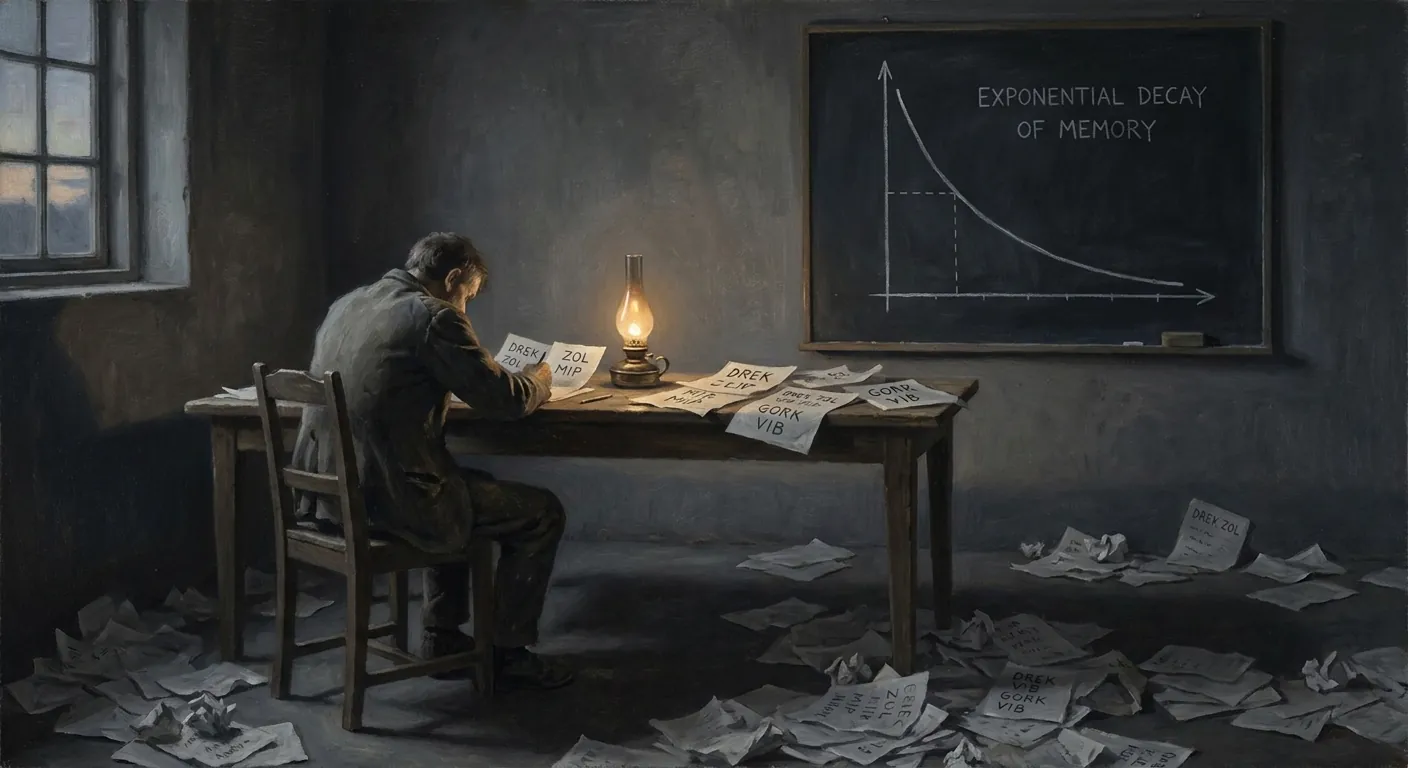
Hermann Ebbinghaus sat alone in a room and memorized nonsense until he discovered the shape of oblivion
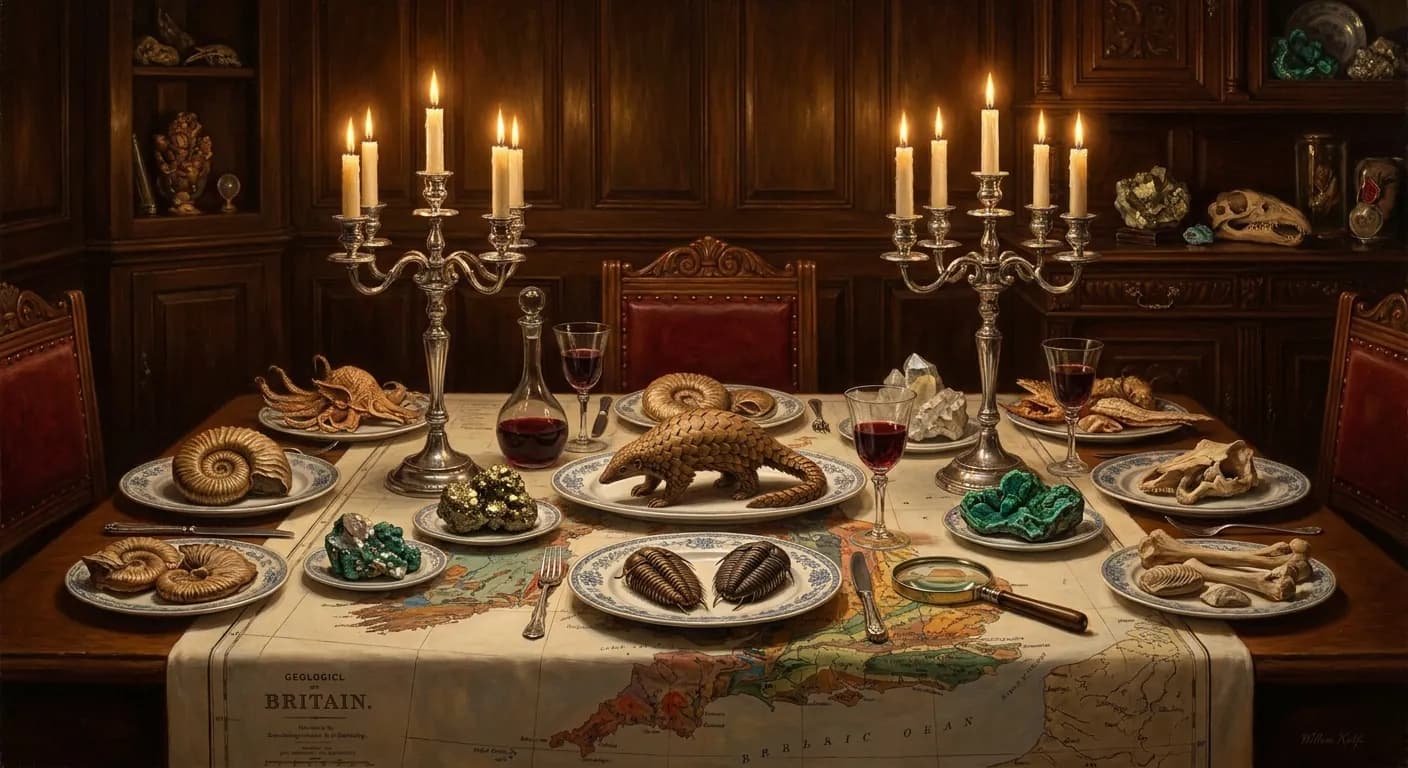
William Buckland tasted his way through the animal kingdom, licked cathedral floors, and accidentally helped invent geology
On petrichor, ozone, and the scents that arrive before the world changes
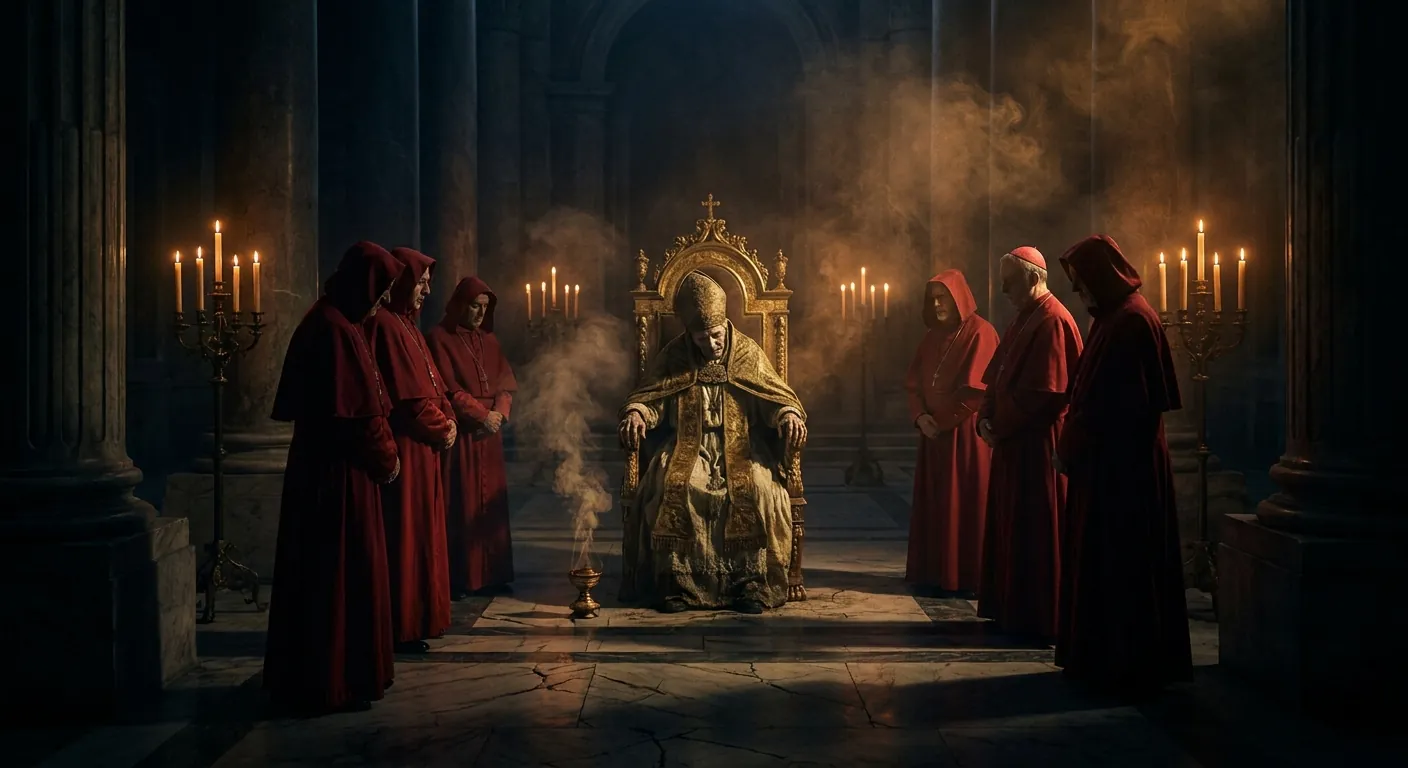
On the trial of Pope Formosus, and what it means to prosecute the dead
How workers invented a word — and a weapon — that still frightens power
How a small metal box dissolved the boundaries between everywhere and nowhere
Why life chose one direction and never looked back
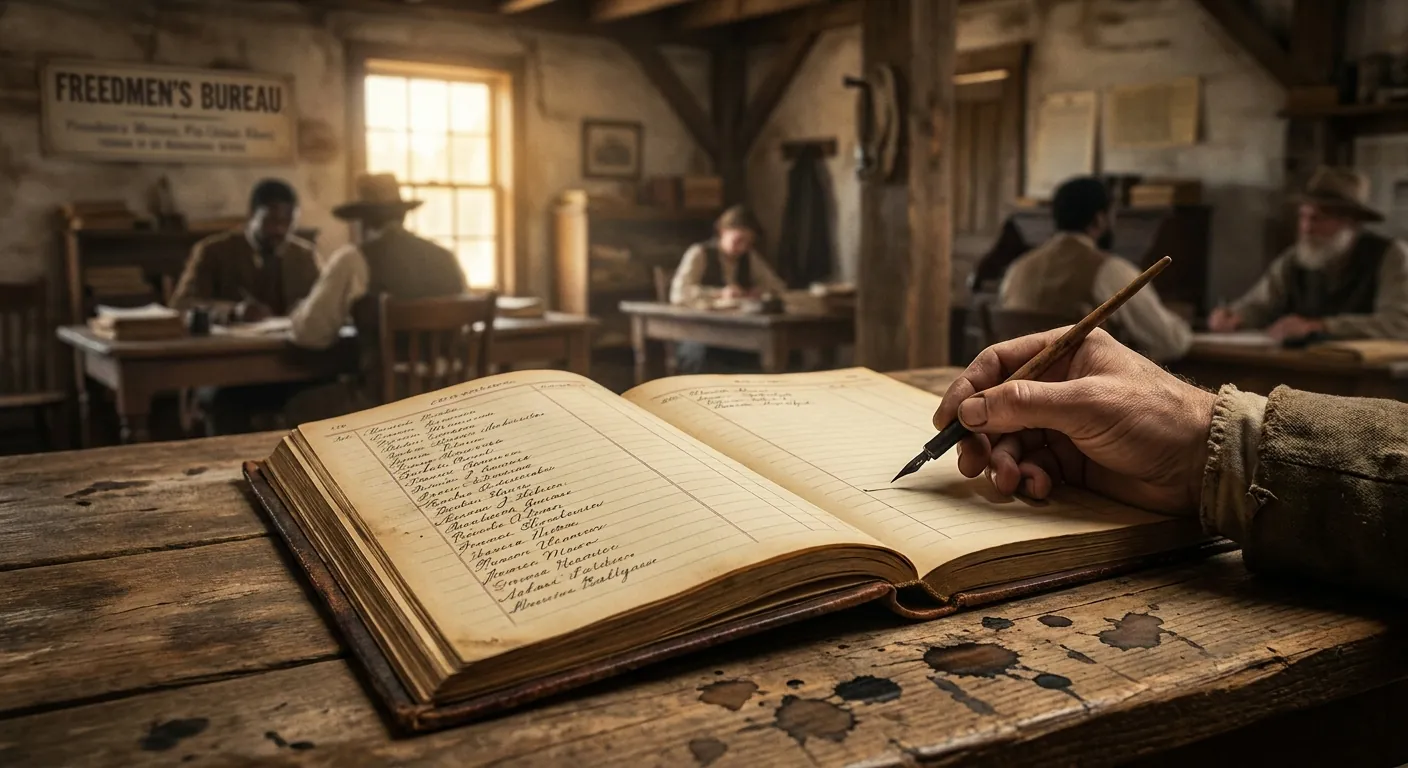
How freed people bought, borrowed, and invented their surnames — and what those names still carry
What happens when a hero becomes a bureaucrat of mercy?
Everything we know is slowly becoming wrong
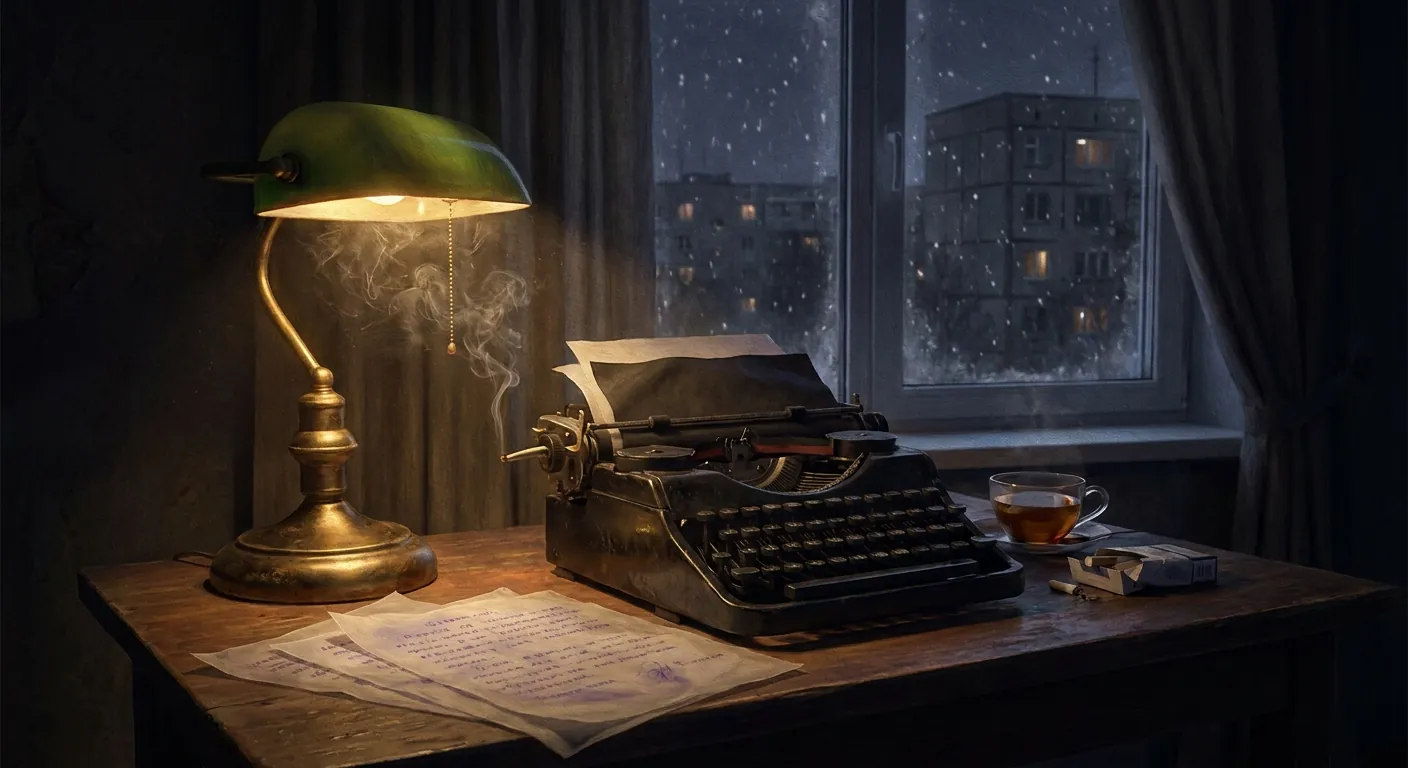
How the Soviet state tried to fingerprint every keystroke — and why typography was always political
How scientists learned to draw what the body feels — and why the map keeps changing
How the world's most expensive spice built empires of fraud, devotion, and paranoia
On the hundred million neurons you never think with
The secret plan to nuke the Moon, and the young astronomer who almost revealed it
There is a second sky above the visible one, and it is screaming
The phantom superweapon that fooled arms dealers, terrorists, and governments for decades
The man who invented an entire civilization — and spent fifty years living inside the lie
The oldest banking system in the world runs on nothing but trust
Why your body keeps a clock your mind can't read
The physicists who refused to build the bomb — and vanished from history
On dark patterns, digital coercion, and the architecture of false consent
How African talking drums encode language in rhythm — and why empires tried to silence them
How colonized nations were made to pay for the cost of their own conquest — and kept paying for generations
On the maps drawn by people who can no longer go home
A love letter to the sea the continents swallowed
Half the world works in an economy that officially doesn't exist
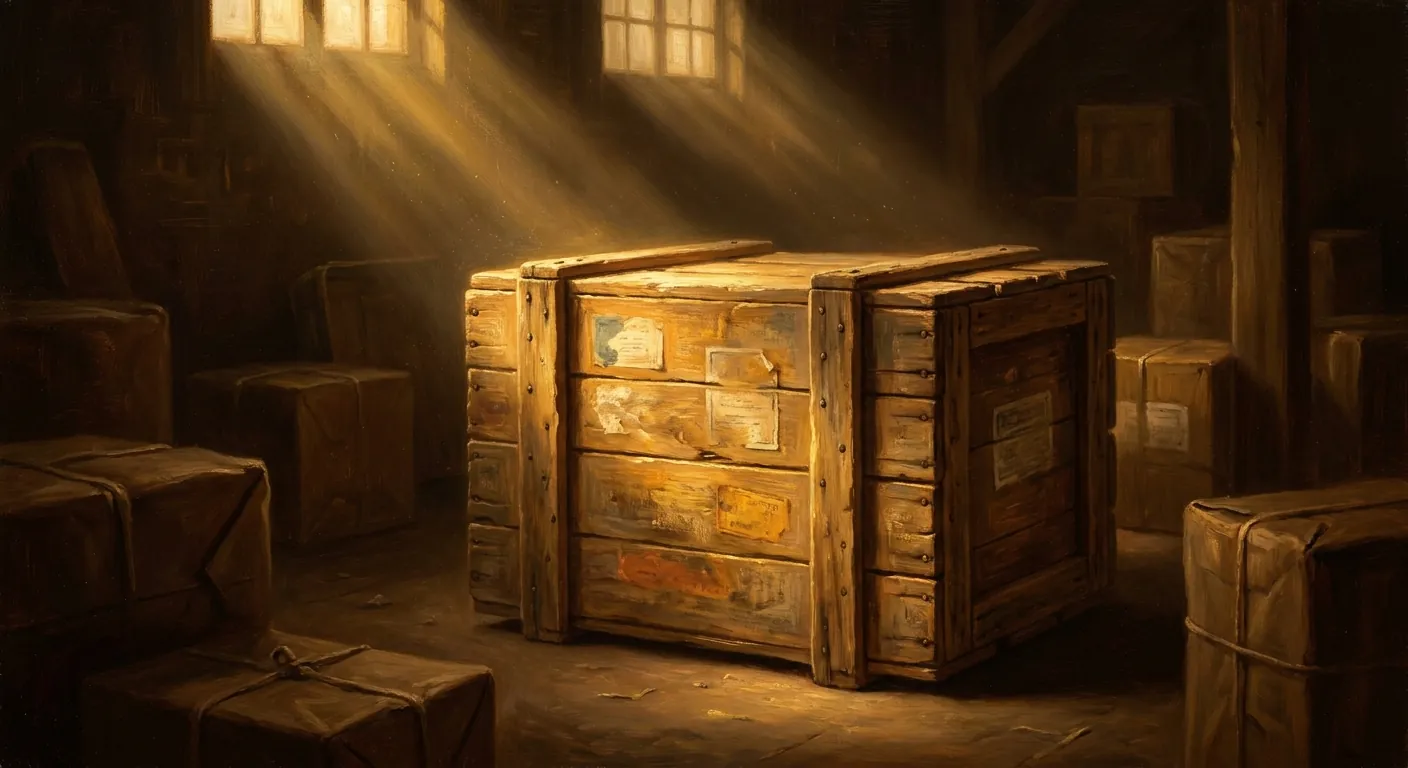
Henry Brown, a wooden crate, and the strange sovereignty of a body in transit
On depersonalization, the self as performance, and the terror of meeting your own eyes
A killer's coded message sat unsolved for 51 years. Then three amateurs cracked it.
How the mathematics of risk quietly became the operating system of civilization
The arms race, Oppenheimer's destruction, the hydrogen bomb, and the legacy of living under the bomb
How public opinion becomes a hall of mirrors
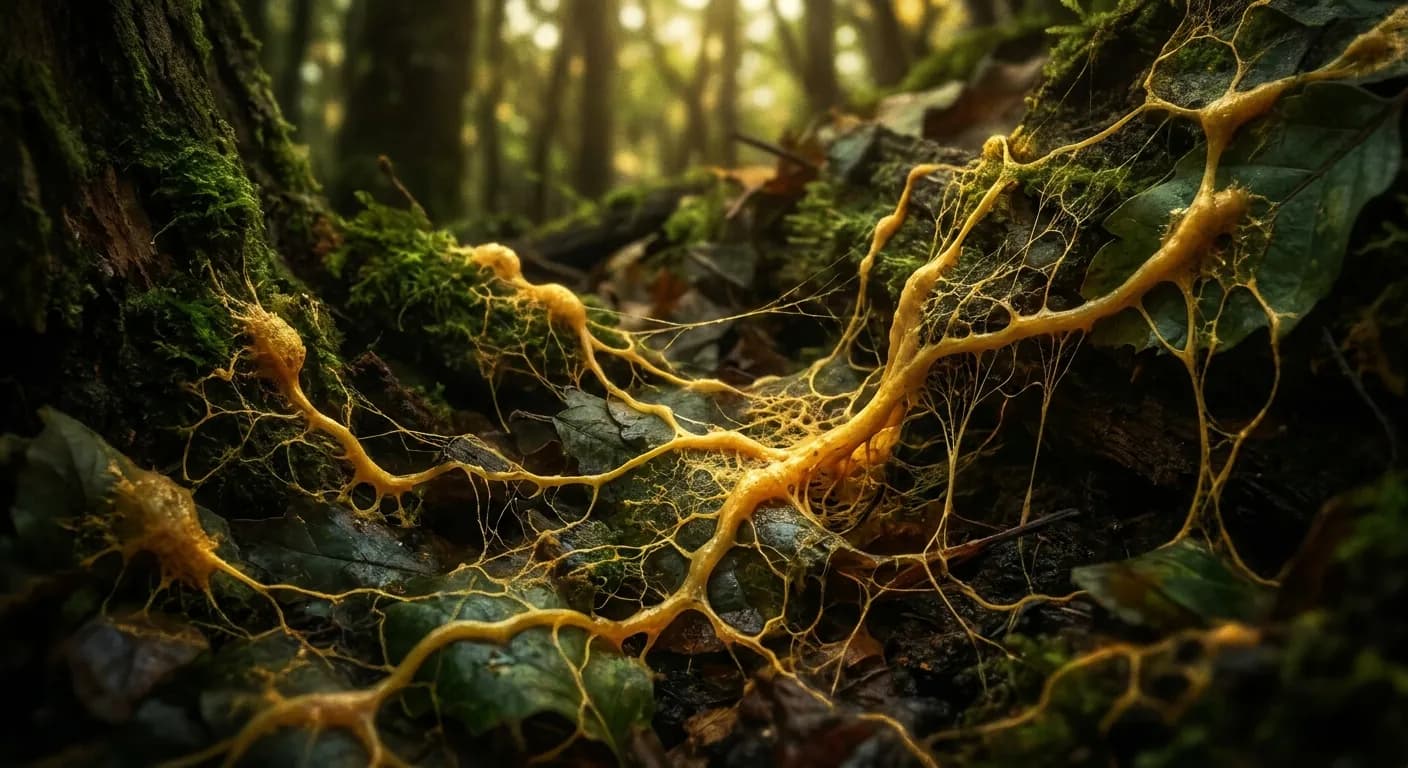
How a brainless organism solves problems that stump engineers, and what it means for the nature of mind
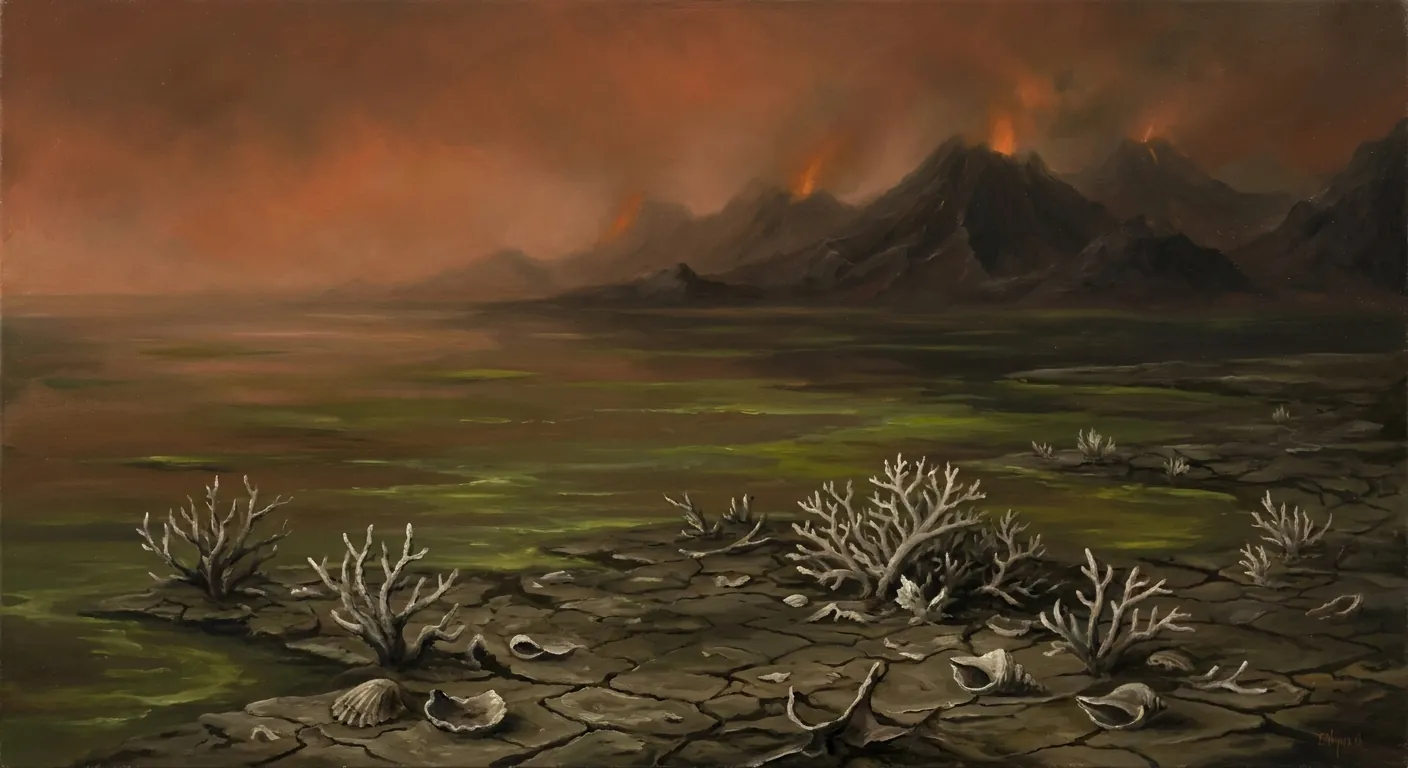
The day 96% of everything alive stopped breathing
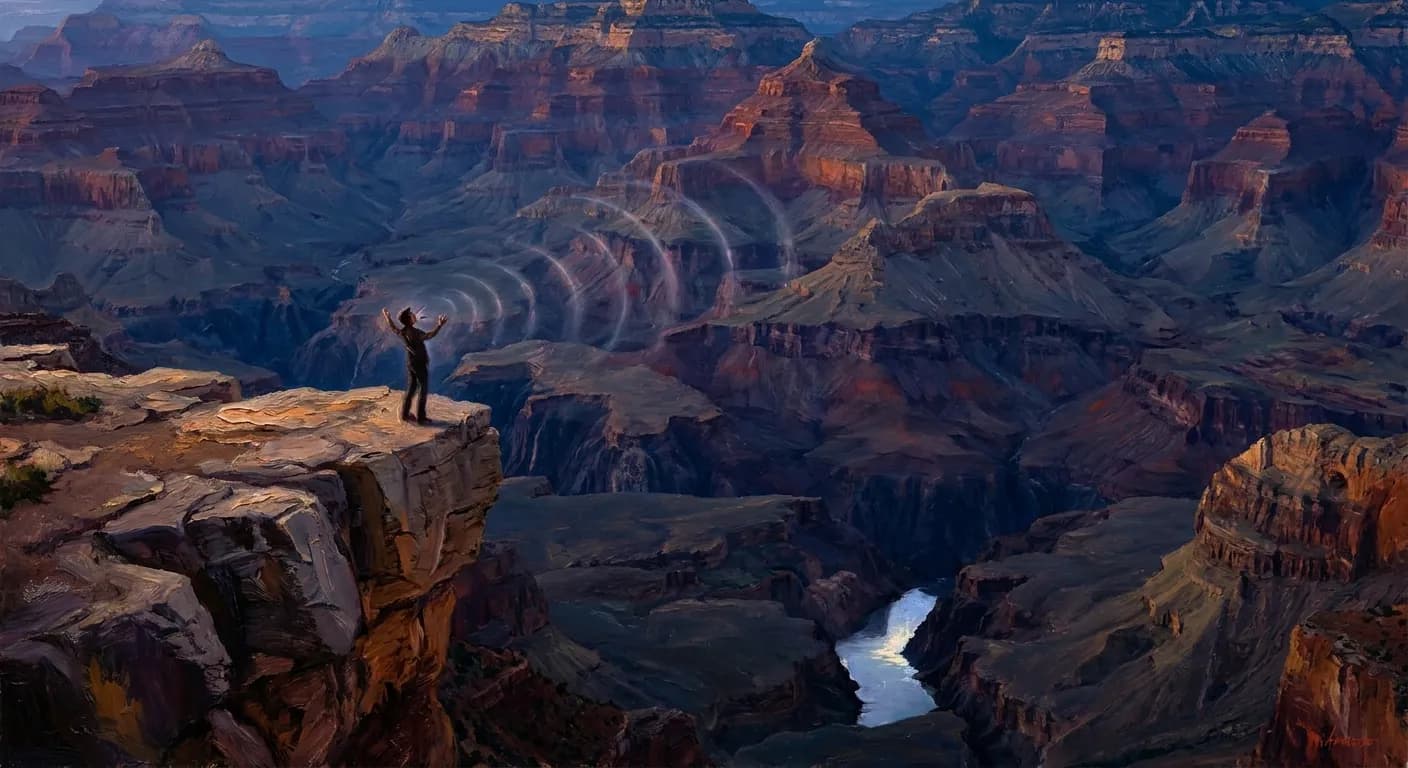
On the strange physics of almost-beginning
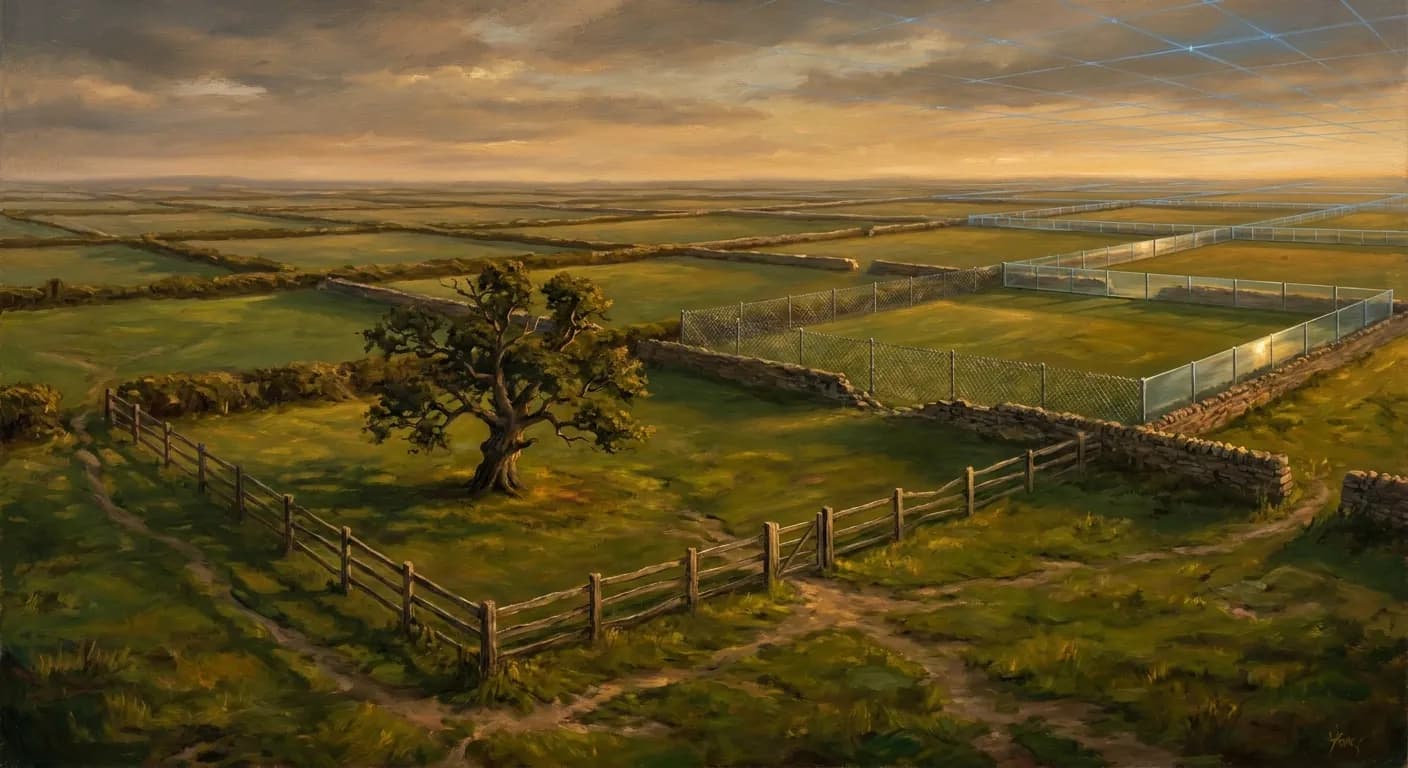
They fenced the land first. Then they fenced the rest of human experience.
On choosing to be unfindable
You learn a new word and suddenly it's everywhere. It was always everywhere. You just couldn't see it.
Shostakovich's Seventh, the Vavilov seed bank, and survival and memory
On the strange physics of bodies that forget they are separate
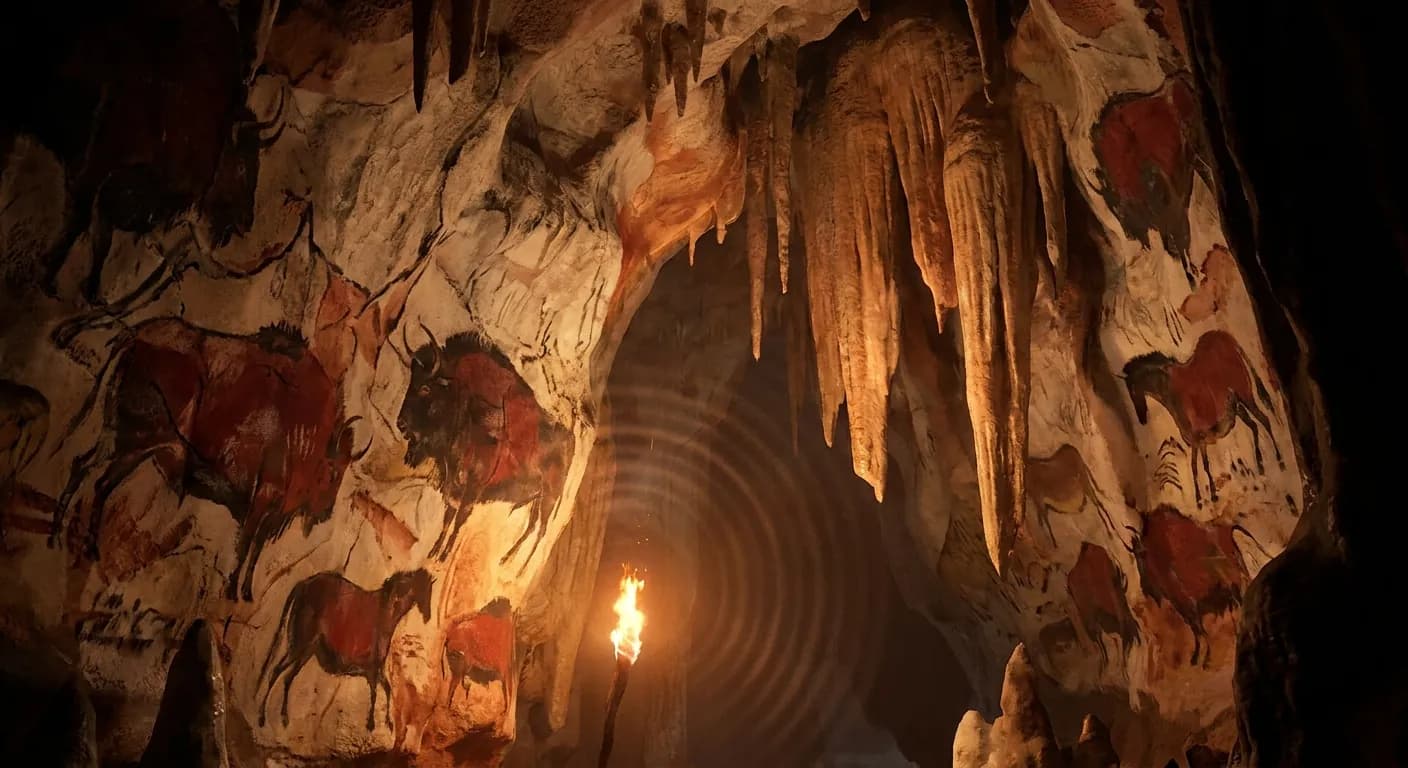
Why our oldest art was made where the walls sing back
Truman's choice, the targeting committee, and the destruction of Hiroshima and Nagasaki
The art of answering impossible questions with nothing but logic
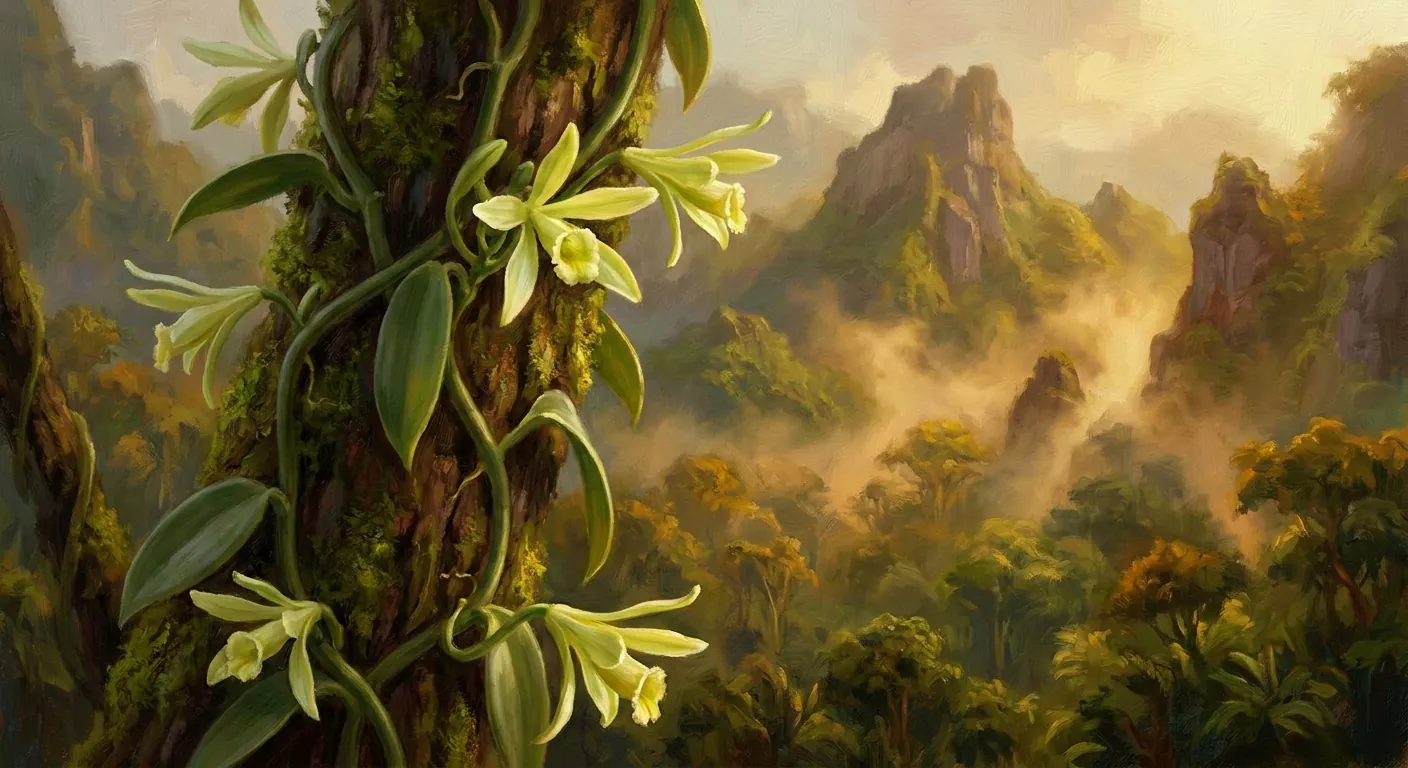
How a single orchid remade an island, a labor system, and the global meaning of 'plain'
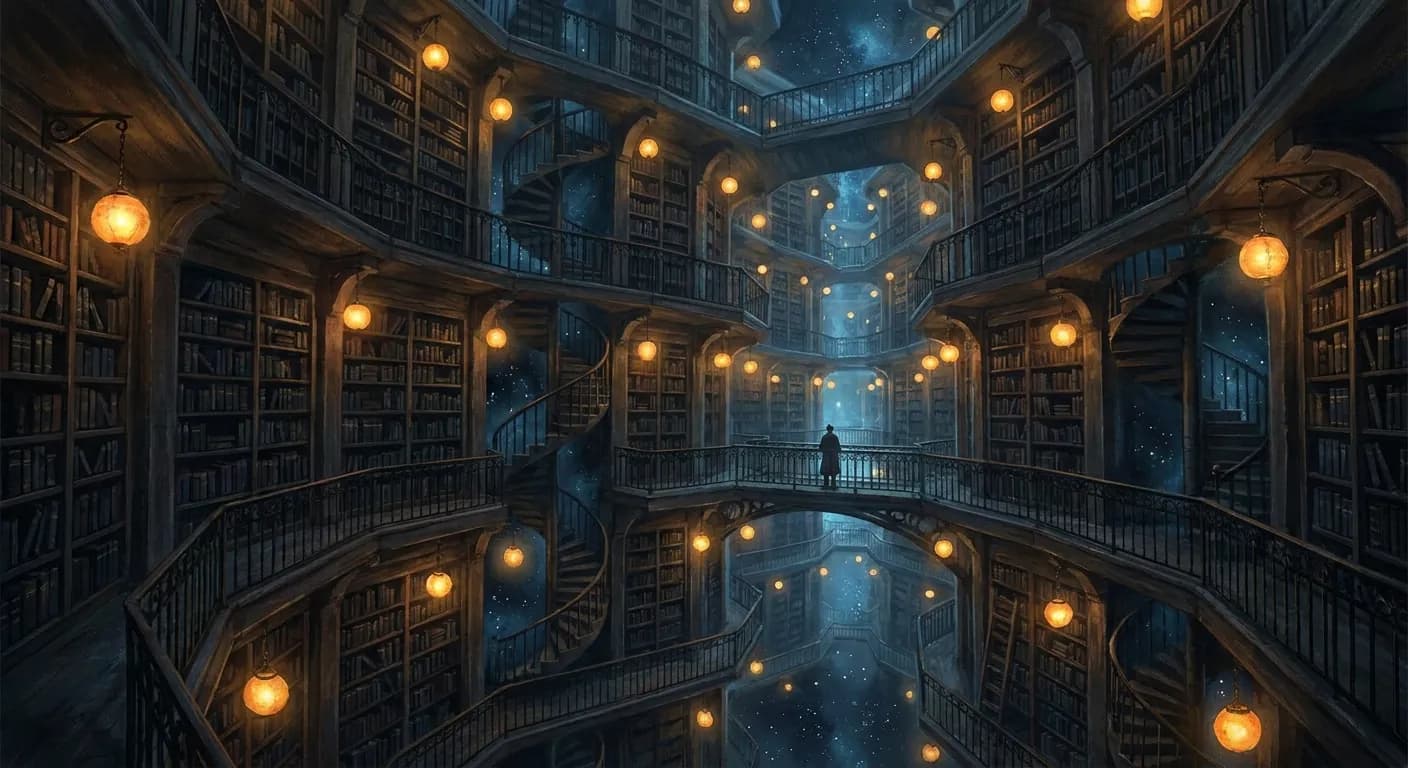
A library containing every possible book already contains this sentence
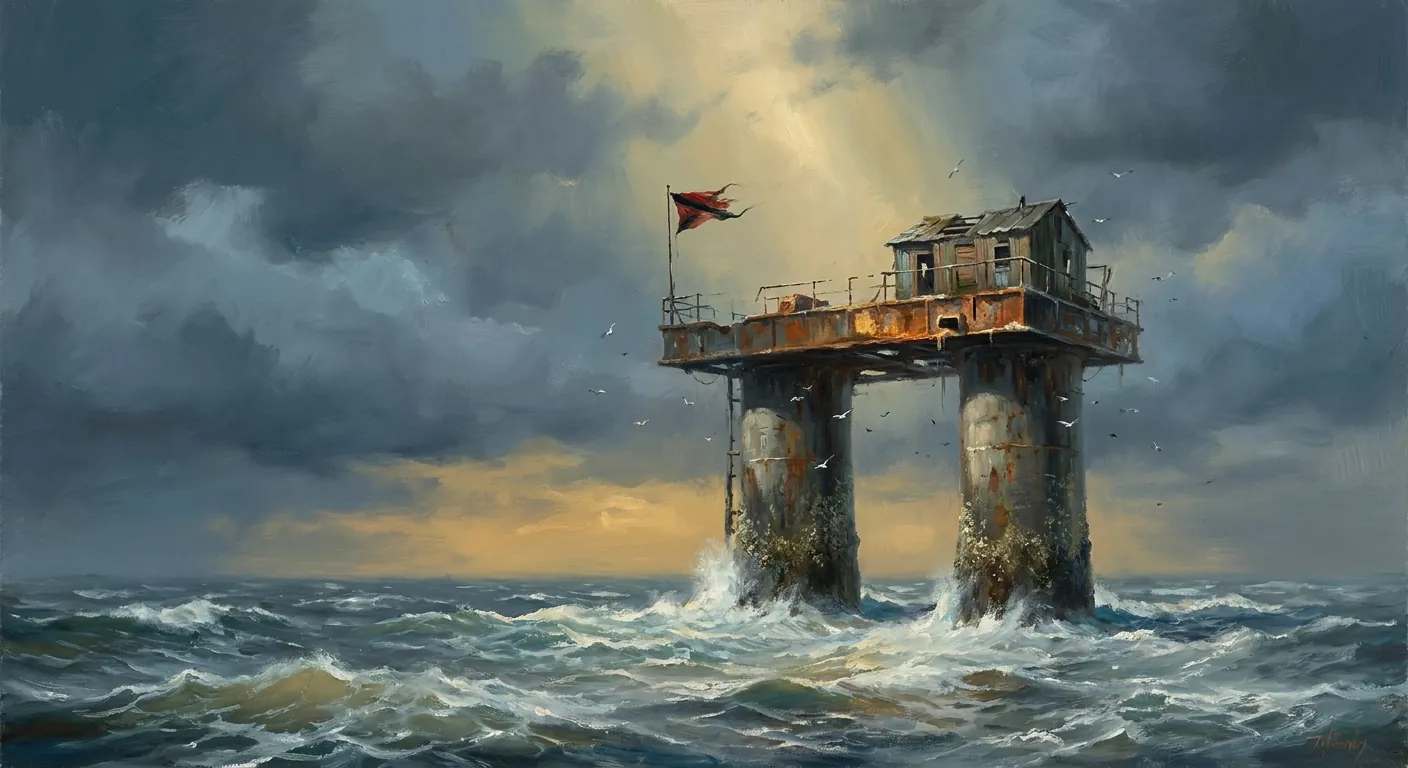
A rusting sea fort, a homemade flag, and the stubbornest country on Earth
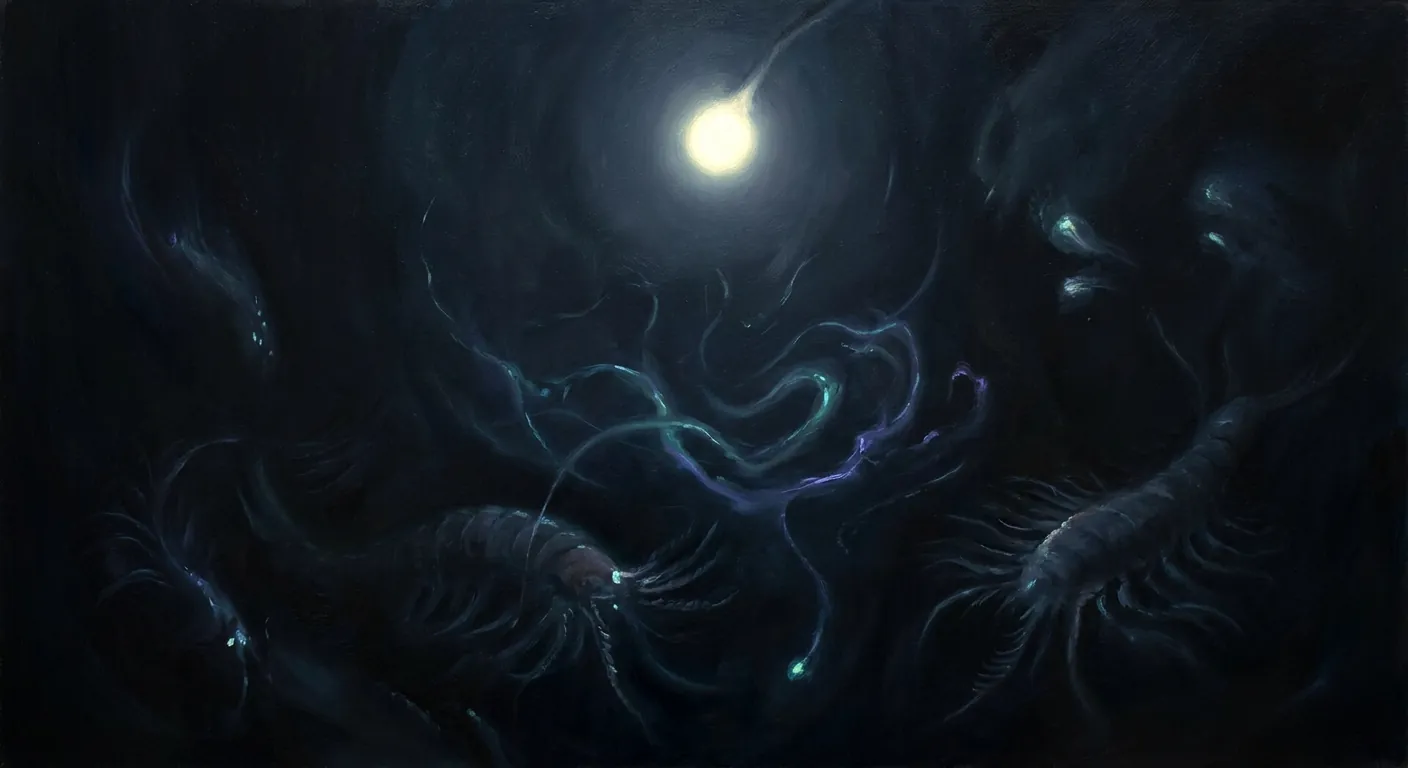
In the deep ocean, light is hunger wearing a halo
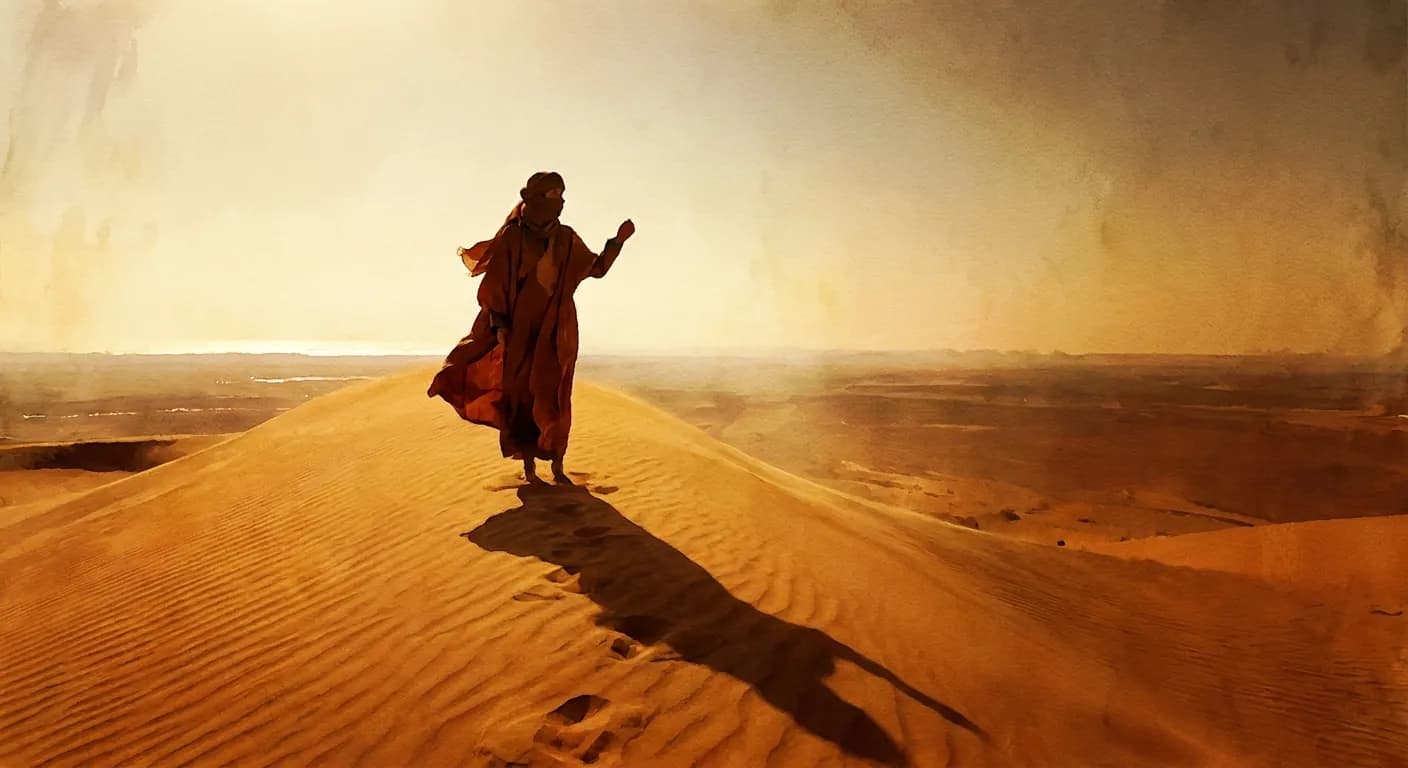
On T.E. Lawrence, Wilfred Thesiger, and the impossible art of inventing a self
The German strategy, the first winter, and the Road of Life
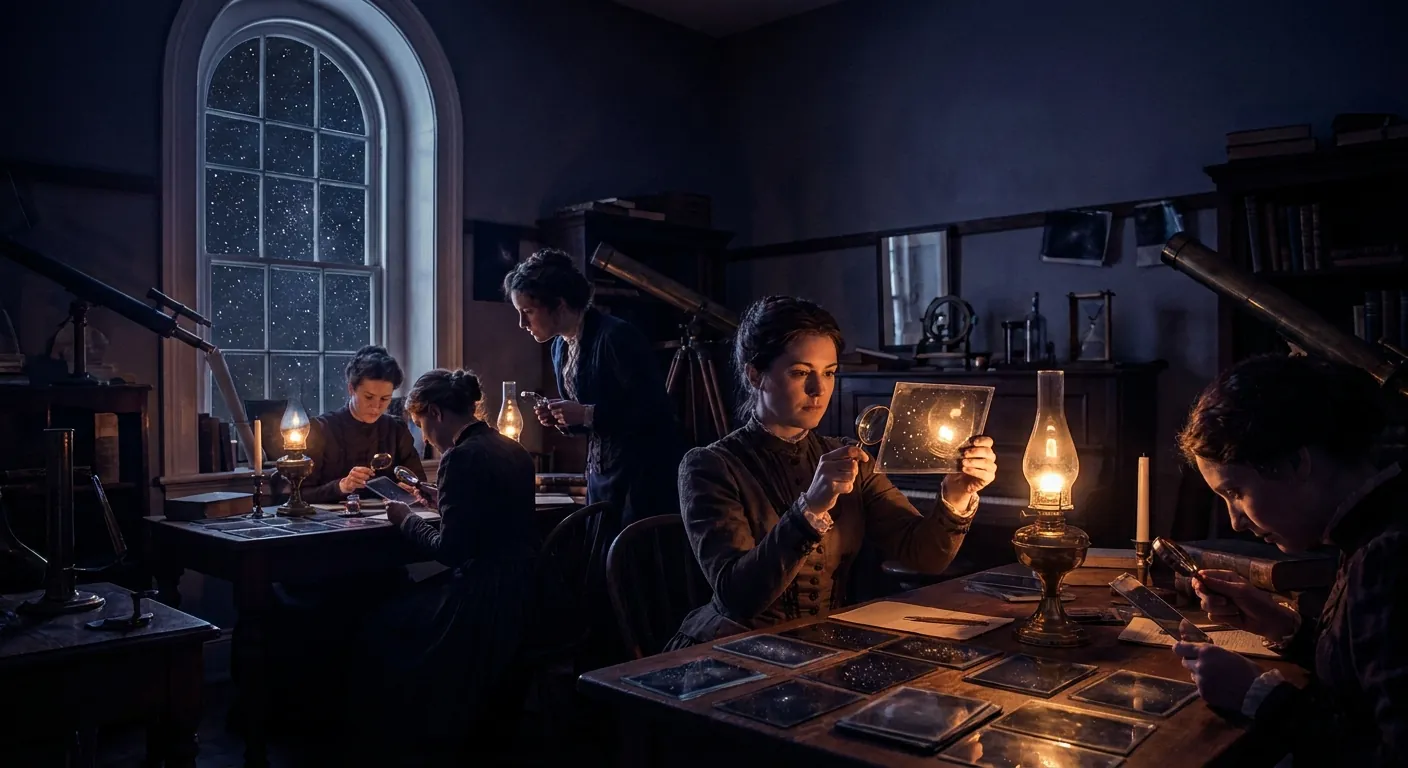
How a room of underpaid 'computers' catalogued the universe and were nearly erased from it
The most dangerous people in history were not monsters. They were middle managers.
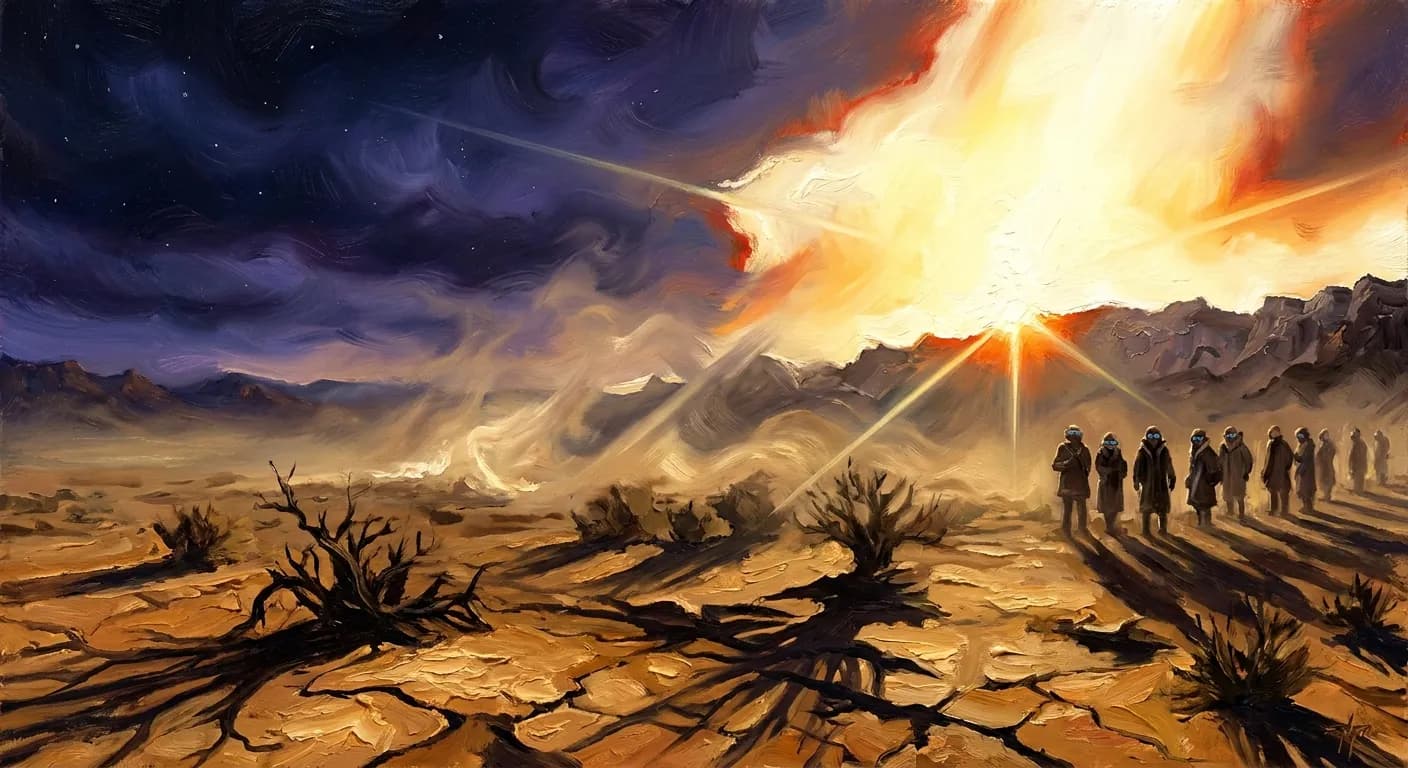
Life at Los Alamos, the personalities, the moral debates, and the Trinity test
How John Frum became a god, and what that reveals about the nature of belief itself
Some languages have no future tense. Their speakers live differently because of it.
How the Black Death rewrote who owns land, who holds power, and what a life is worth
Your heart is not a metronome. It is a chaos engine — and the irregularity is what keeps you alive.
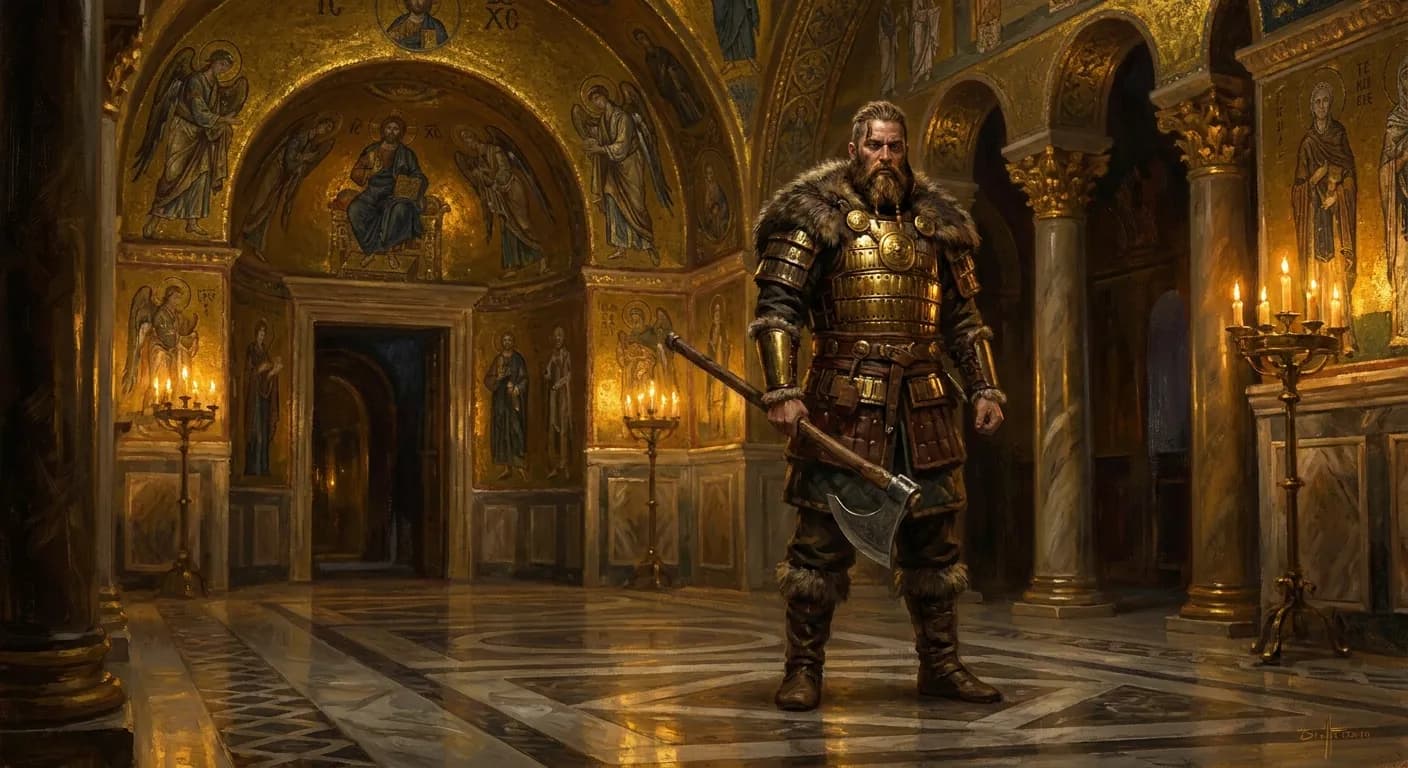
How Viking outcasts became the most feared soldiers in Constantinople
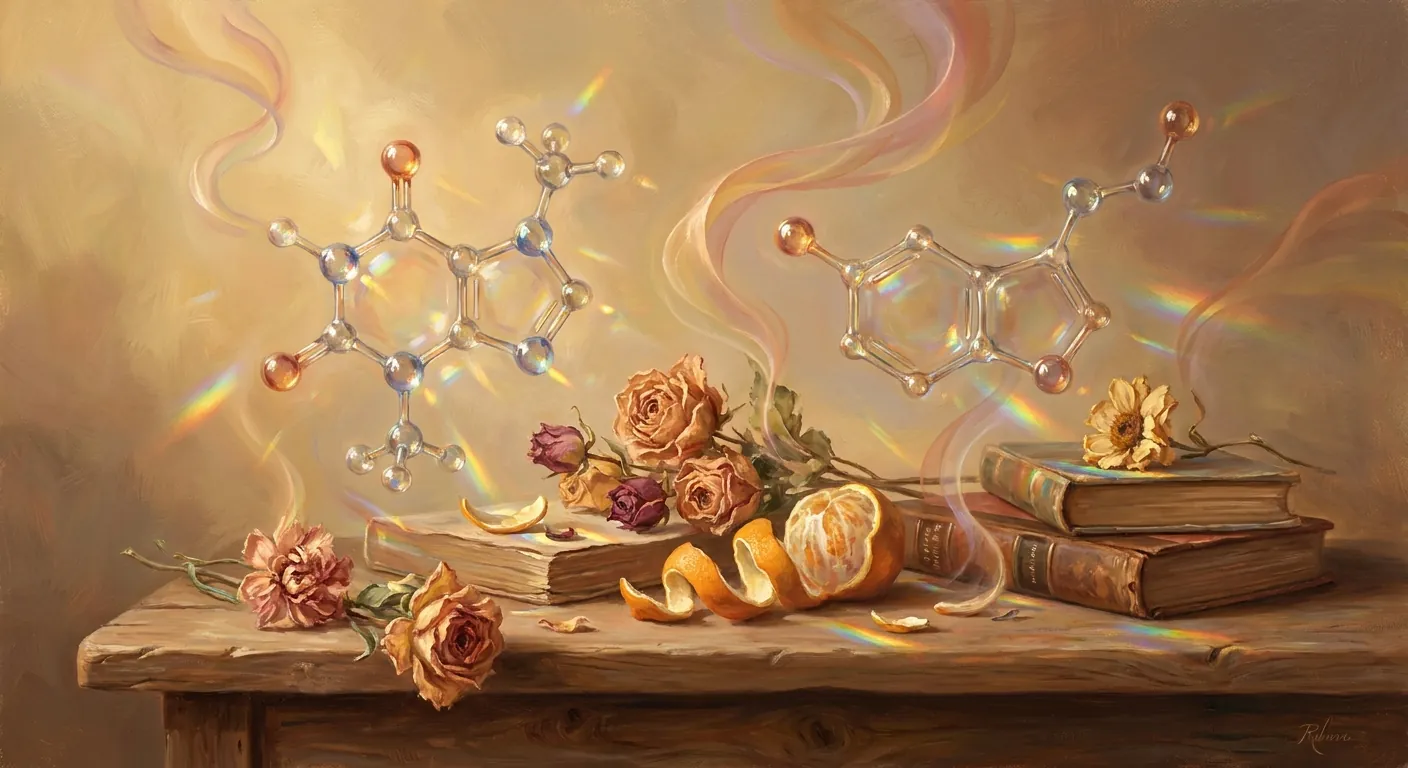
Why your nose might be reading molecular geometry like sheet music
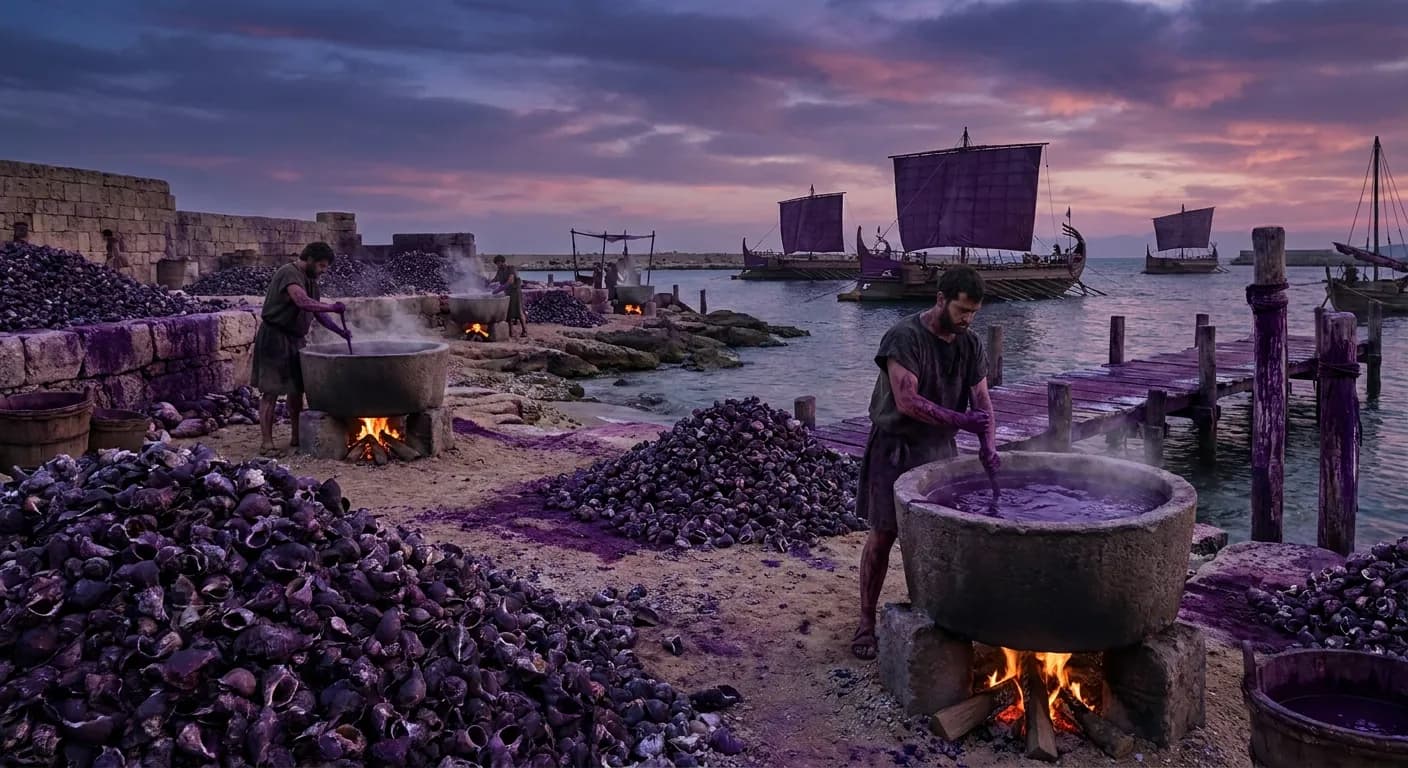
How a rotting snail built an empire of color
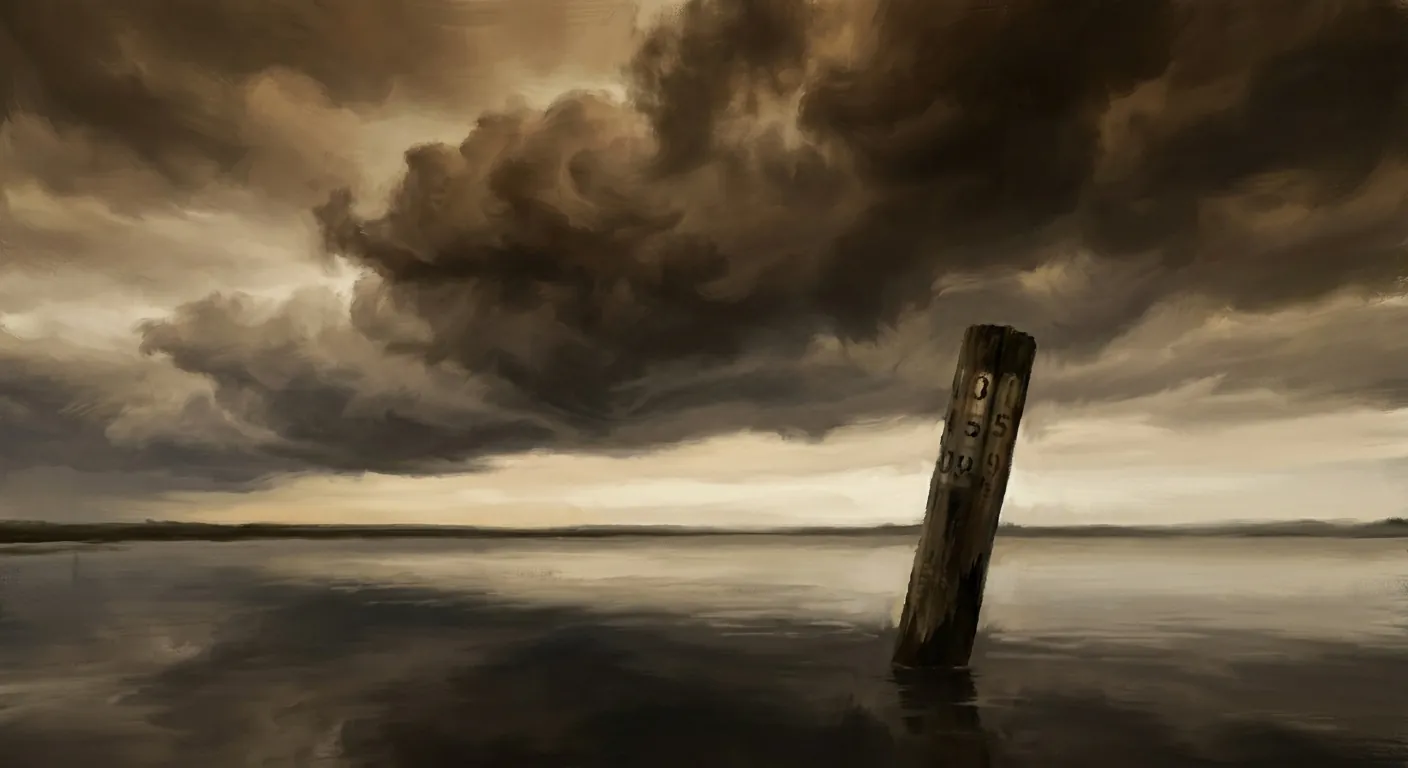
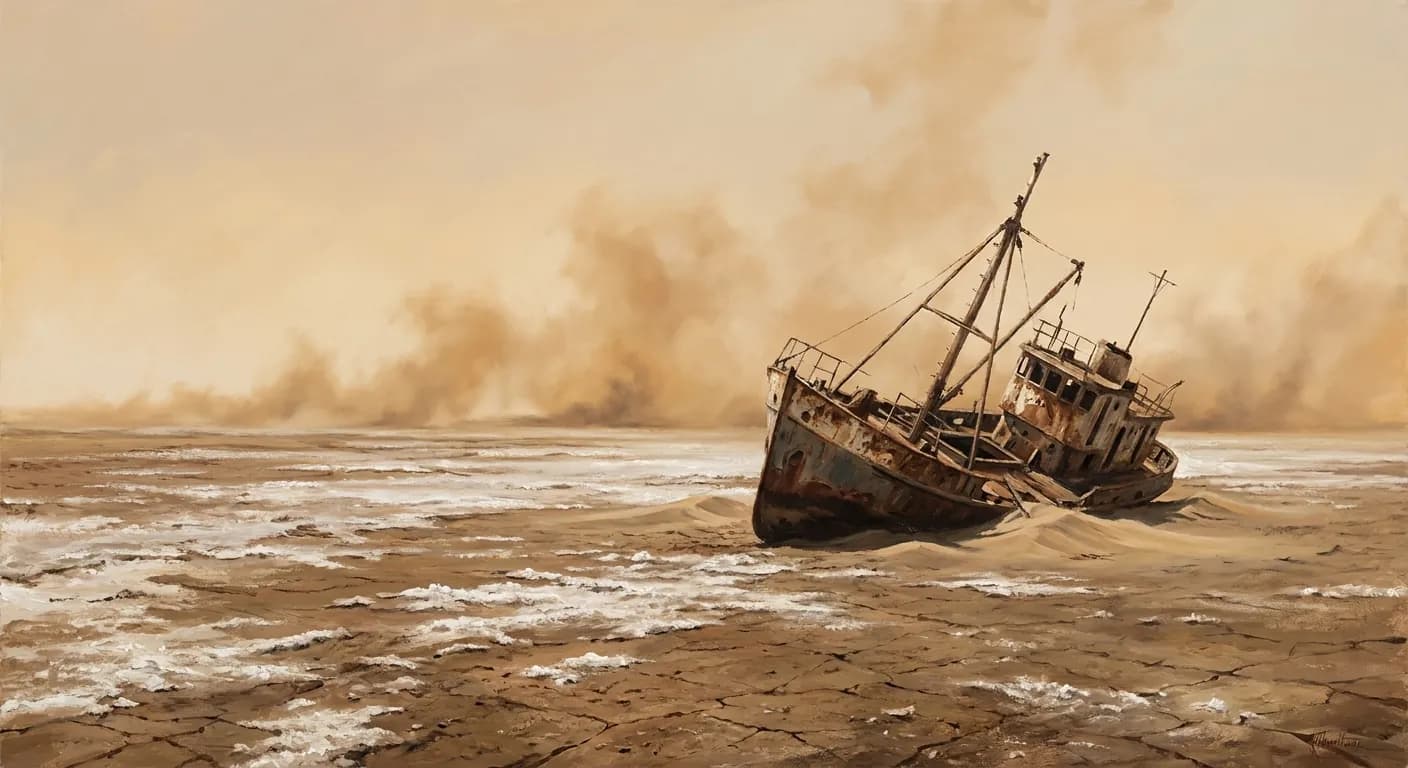
How to kill the fourth-largest lake on Earth in a single generation
Independence movements, inherited borders, and the DRC as the ultimate case study
How a shape can steal an election — and why mathematics might be democracy's last honest witness
Einstein's letter, the fear of a German bomb, and the gathering at Los Alamos
How five skulls became five races, and why the bones won't stay quiet
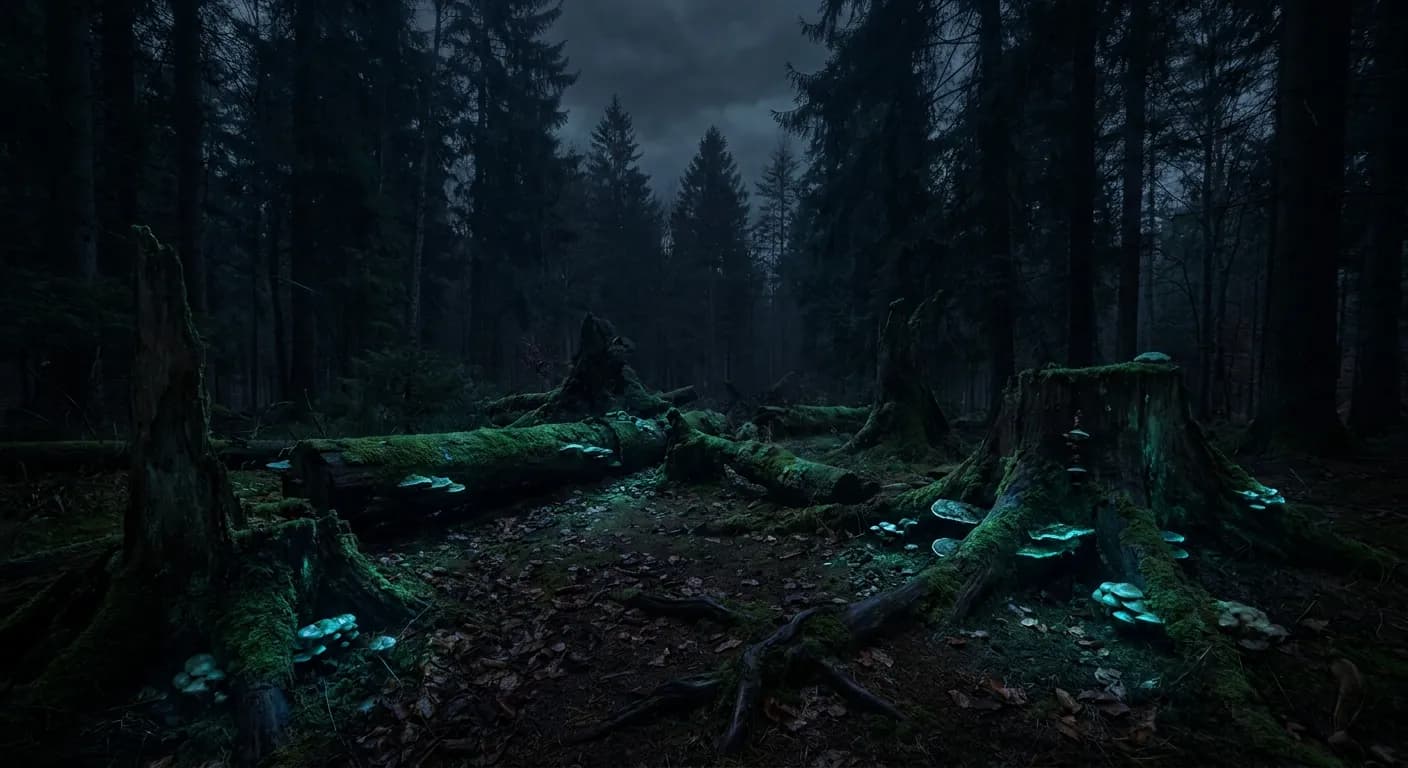
Before electricity, rotting wood glowed in the dark — and people used it to see by
What the rocks we are making right now will tell the civilizations that come after us — if any do
How forbidden words survived on carbon paper and nerve
Napoleon's invasion, independence, the 1825 indemnity, and 200 years of consequences
On umami, the century it took to believe in a flavor, and the politics of whose senses count
What if the web already ended and nobody noticed?
The invisible frame around every idea you're allowed to have
The Herero genocide, Italian chemical warfare in Ethiopia, and the French in Algeria
The twentieth century's first genocide was also its first lesson in how to make a genocide disappear
Why medicine couldn't describe what patients couldn't name — and the strange tools built to bridge the silence
The forgotten future that ran on compressed air
When healing became a cage with better lighting
How ancient peoples read the world through sound — and what we lost when we stopped listening
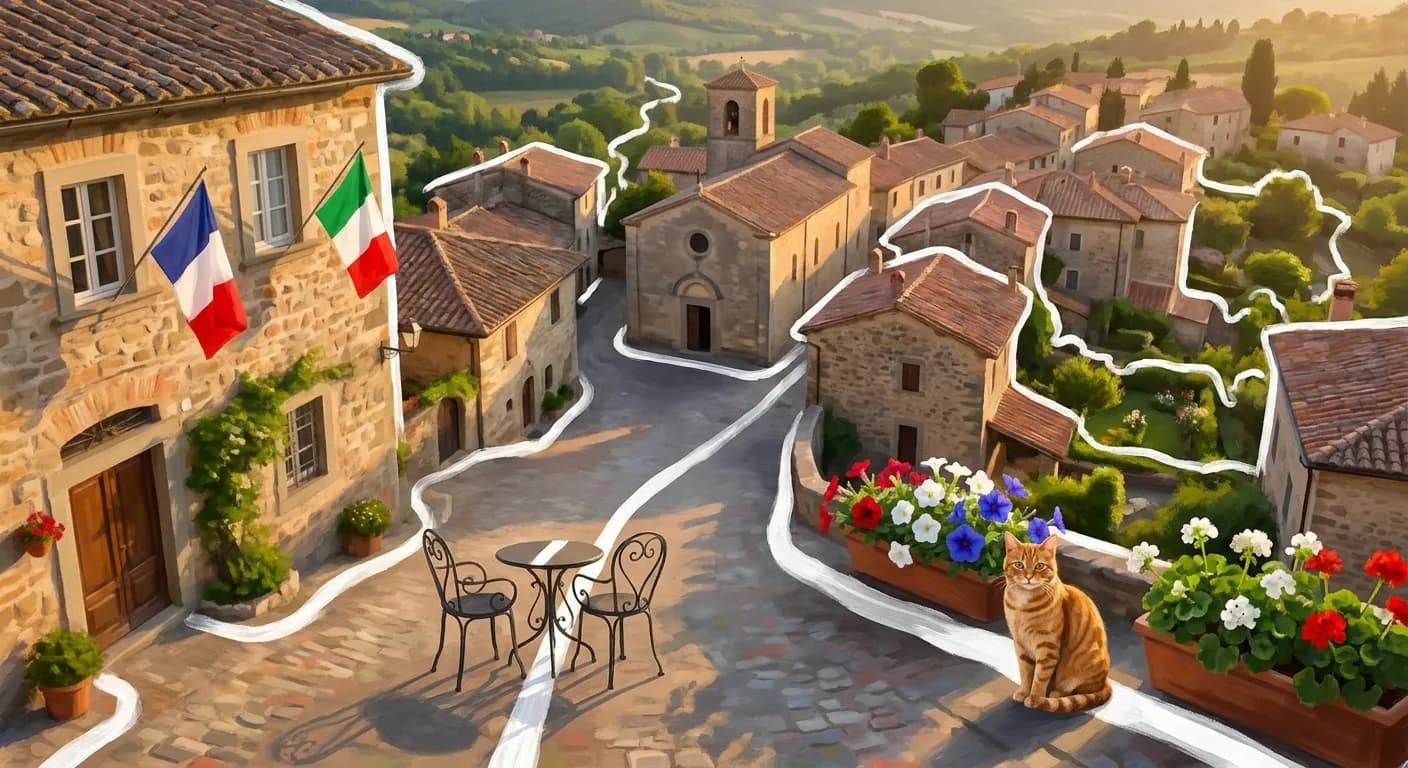
In Baarle-Hertog, the border runs through kitchens, shops, and the logic of nationhood itself.
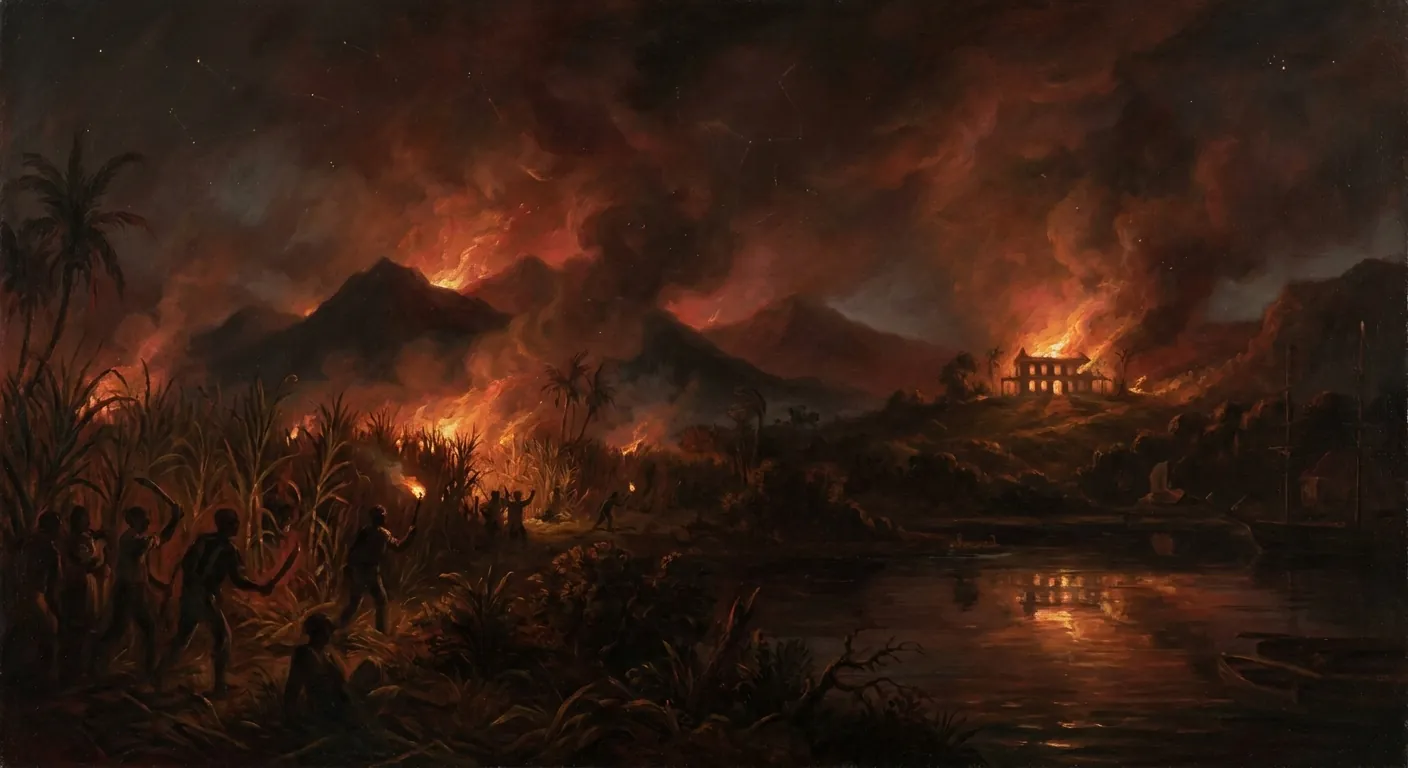
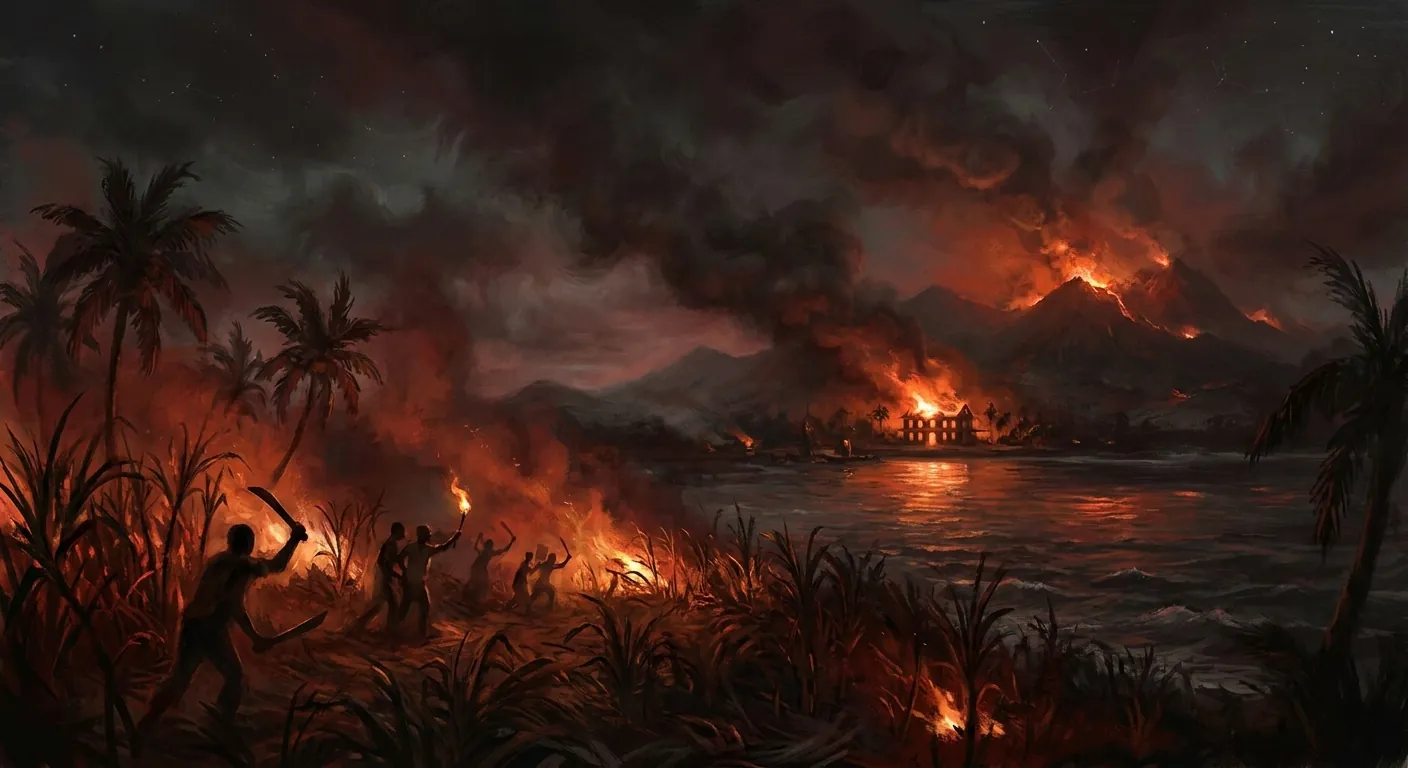
Saint-Domingue's sugar economy, the 1791 uprising, and Toussaint Louverture
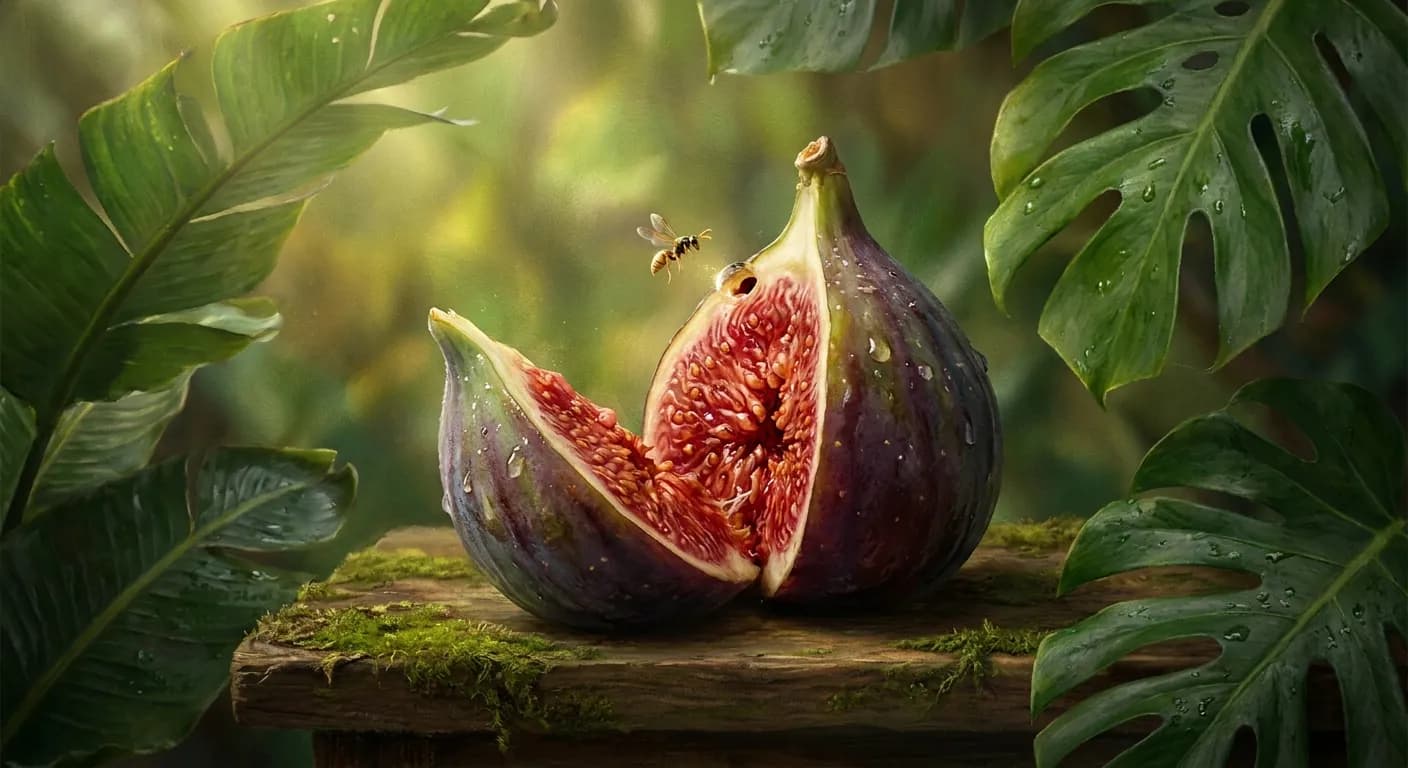
An 80-million-year marriage written in flesh and flower
When scientists measured skulls to prove what politicians had already decided
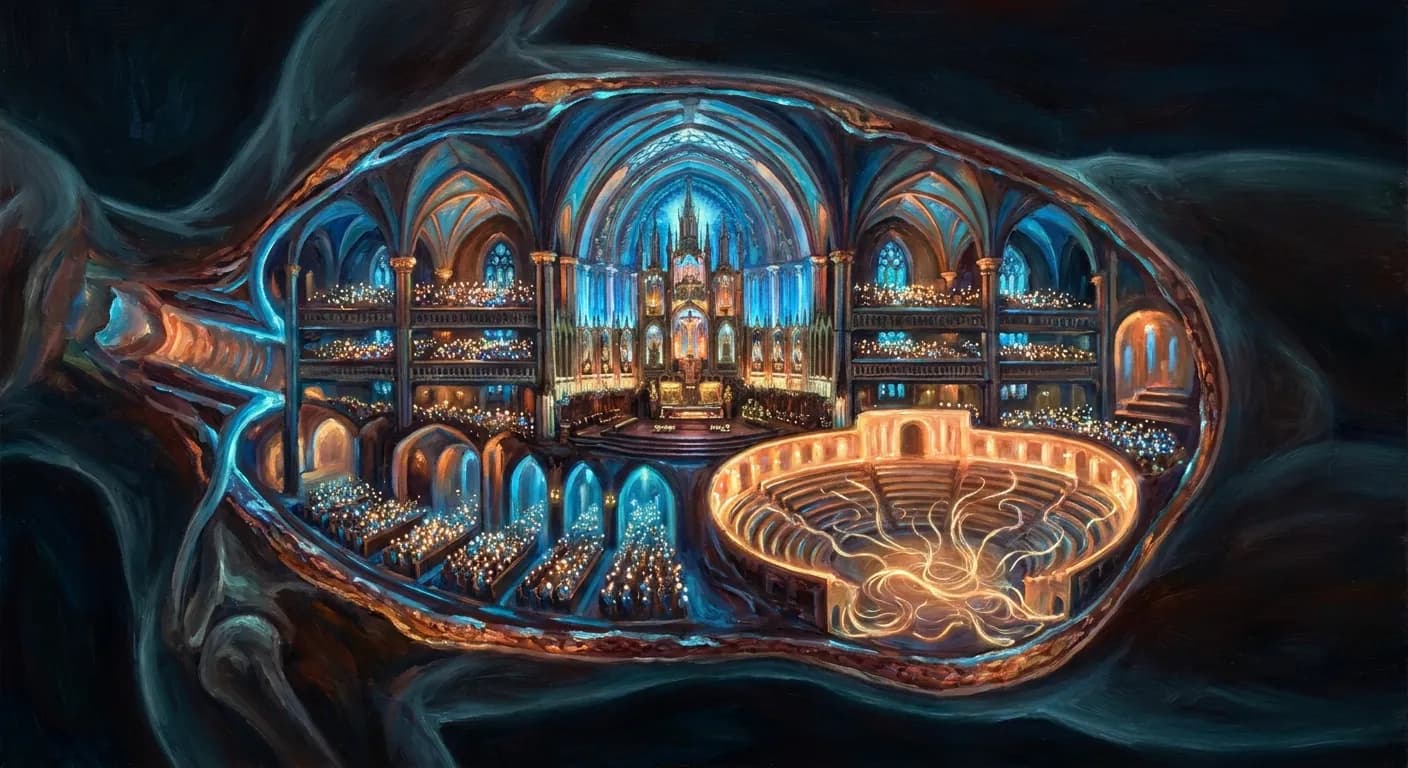
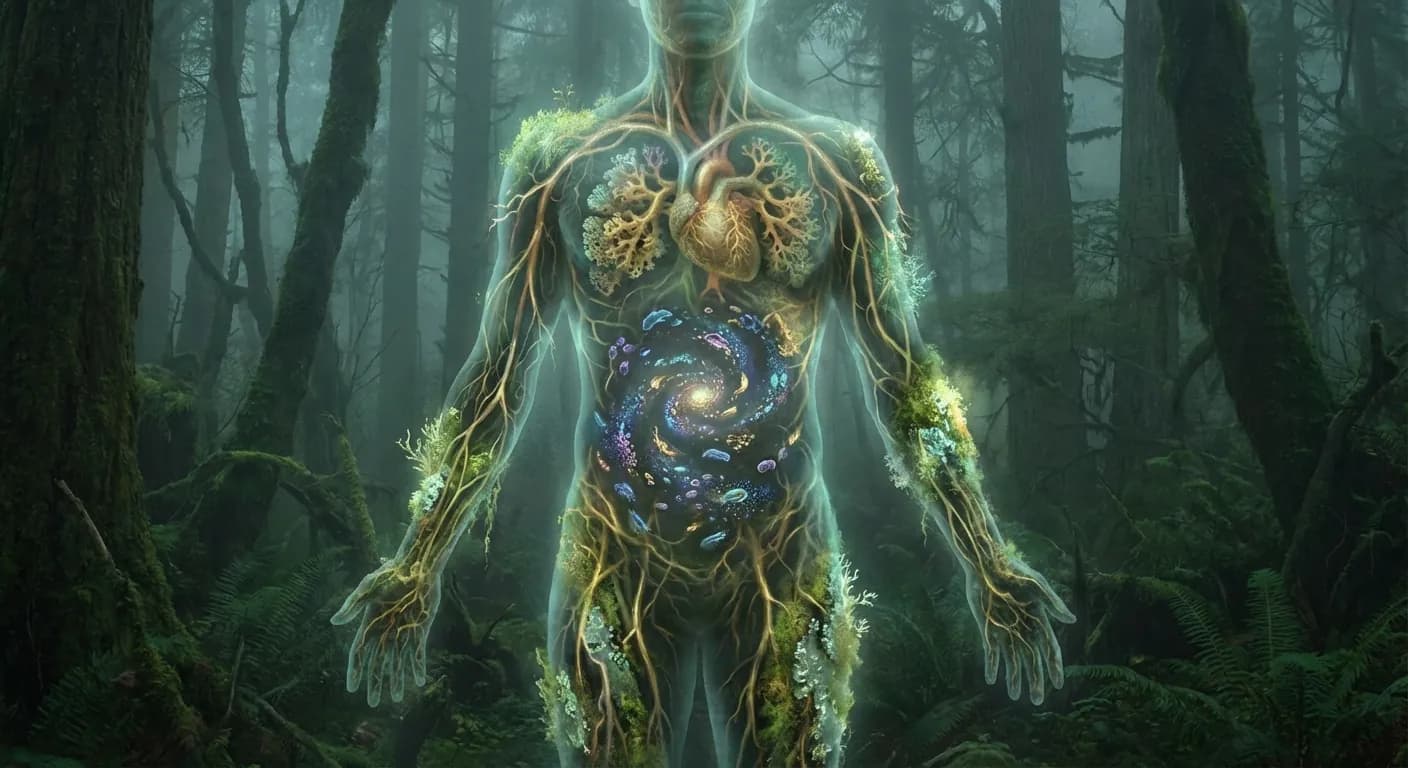
On the 38 trillion citizens of your inner republic
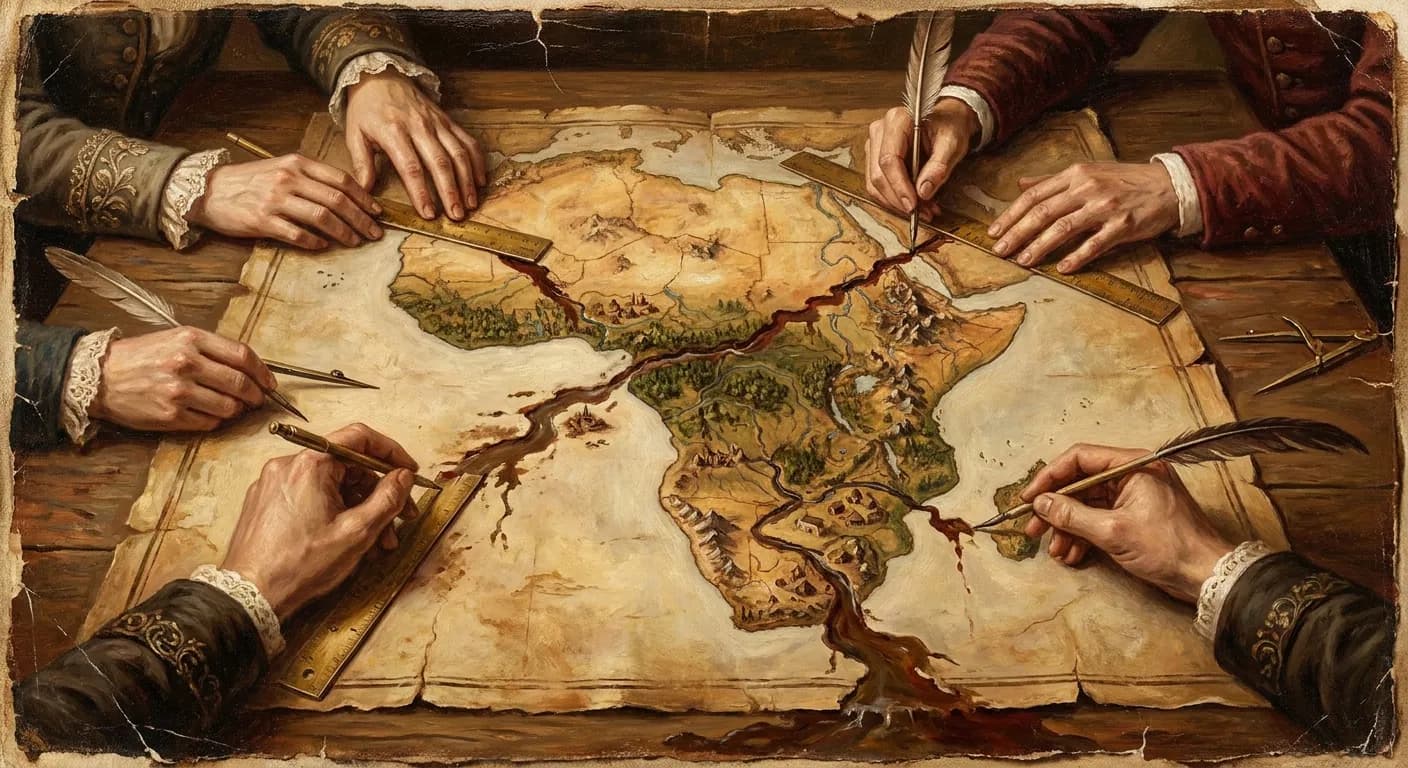
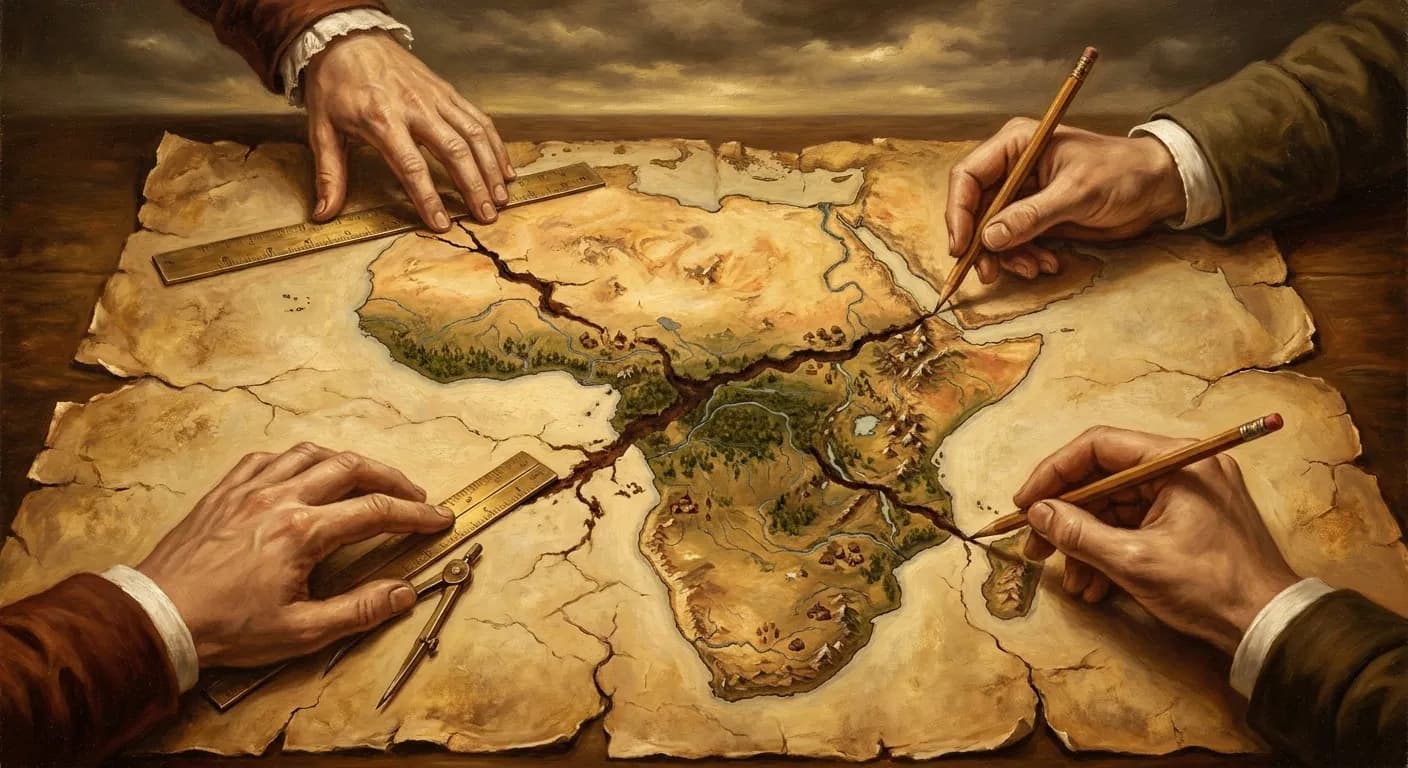
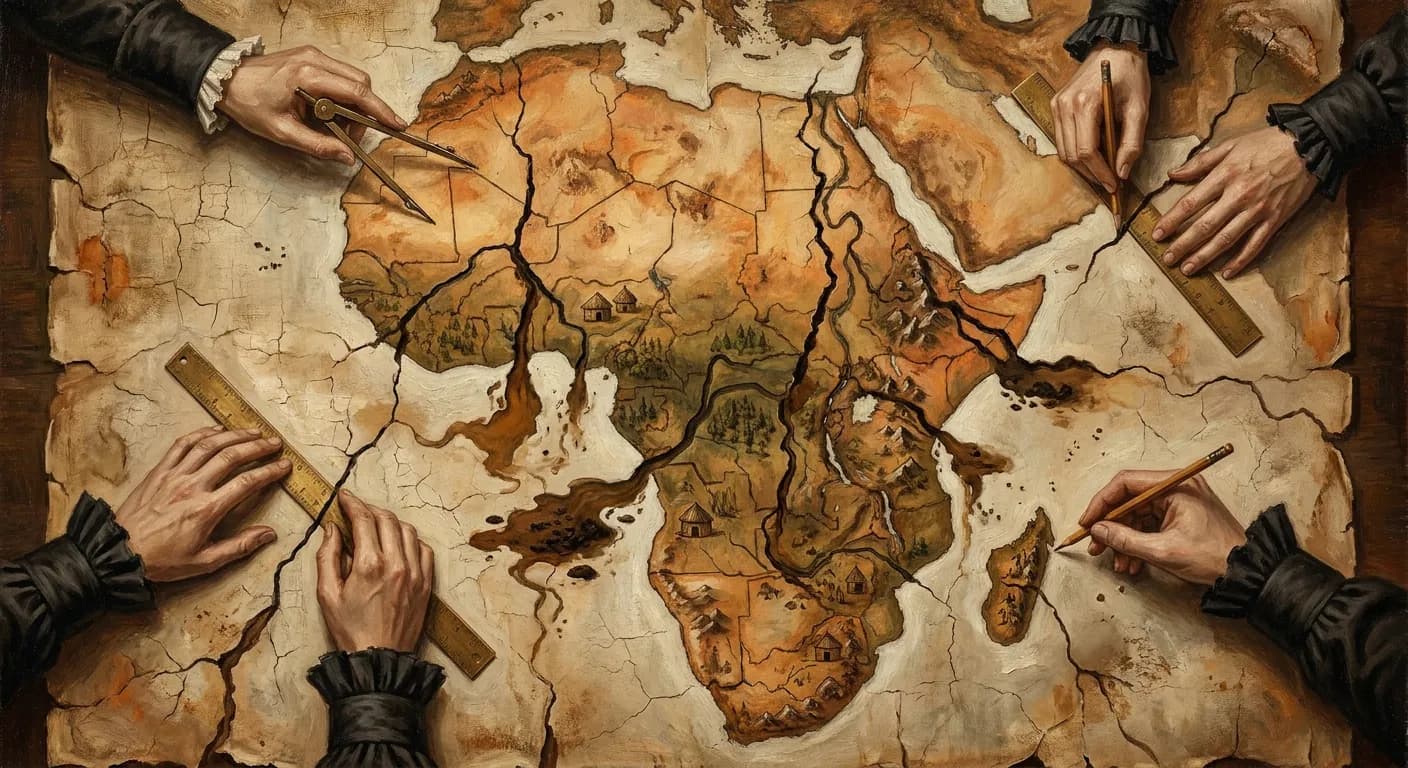
The Berlin Conference, the rules of the game, and how borders were drawn
How the most bombed landscape on Earth became an accidental wilderness
When scientists turned the language of life into sound, they discovered it was already singing
The most misunderstood protest movement in history had a point we still haven't reckoned with
E.D. Morel, Roger Casement, the Kodak camera, and the aftermath
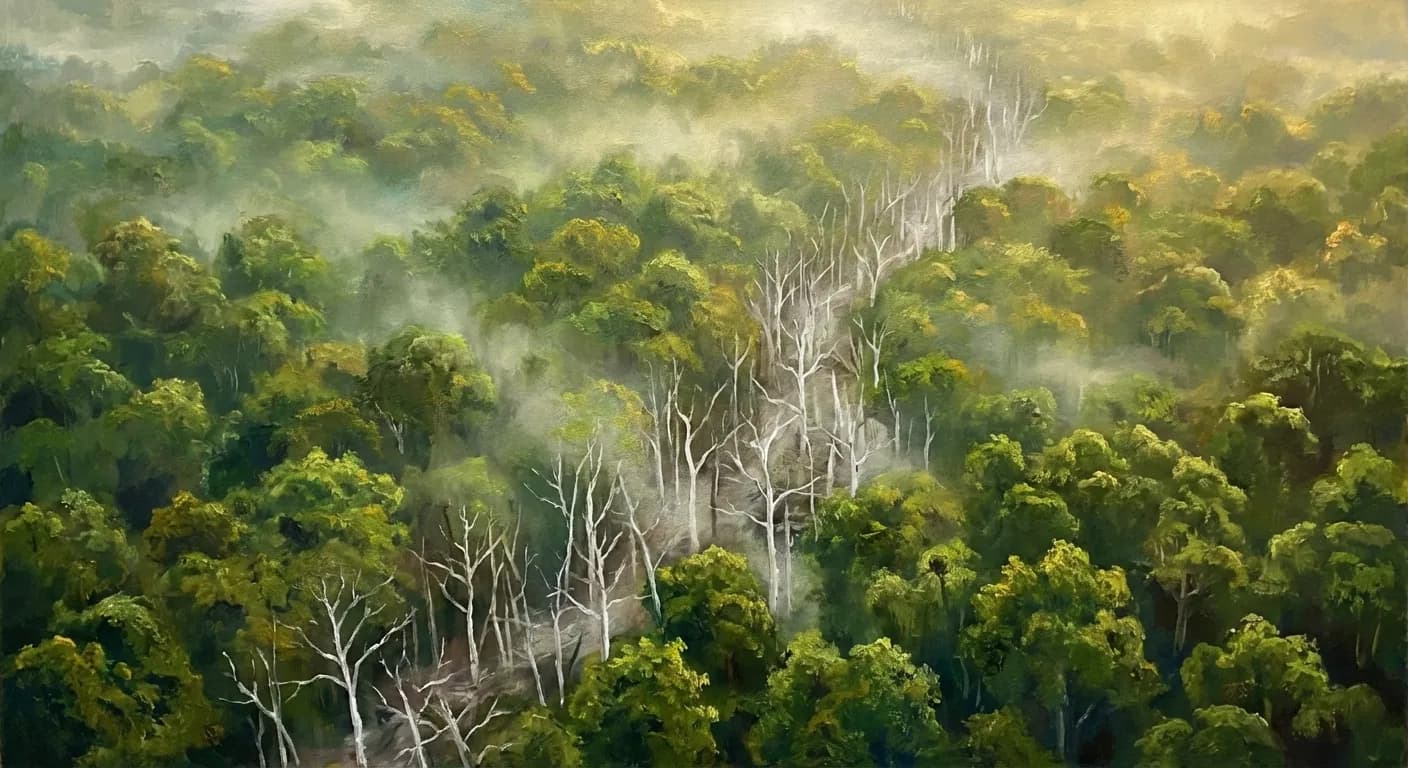
How a beautiful idea about forests became a myth — and why the truth is stranger and lonelier
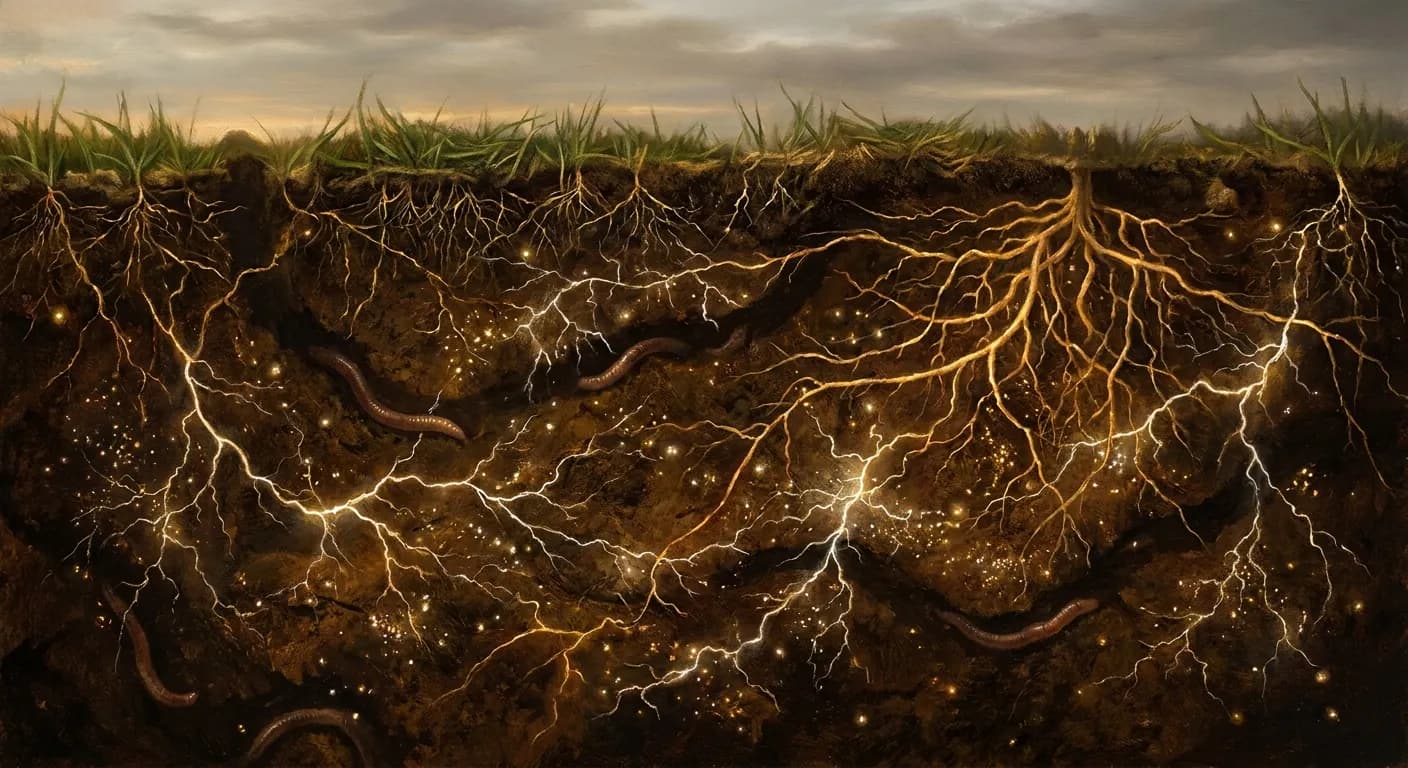
Beneath your feet is a civilization older than anything above ground — and we're destroying it faster than we can understand it.
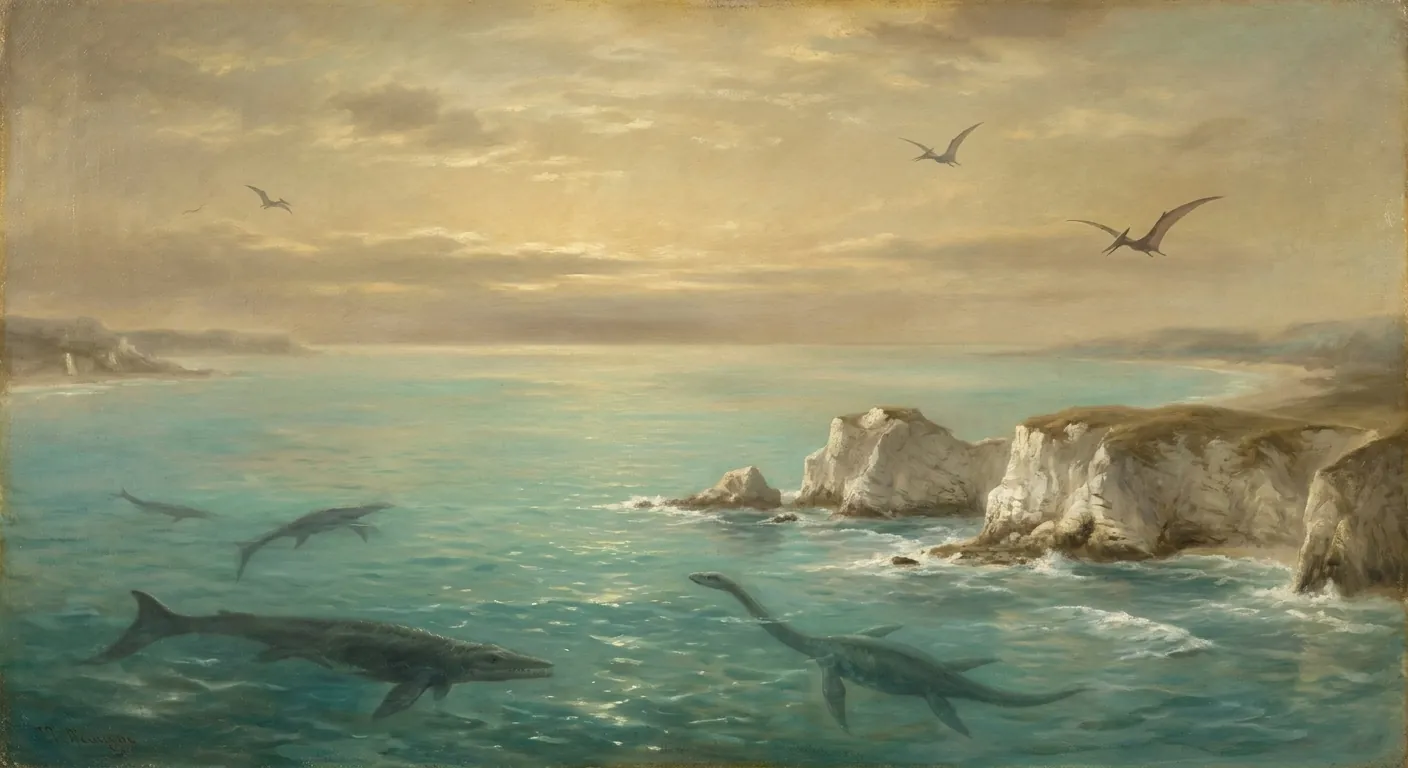
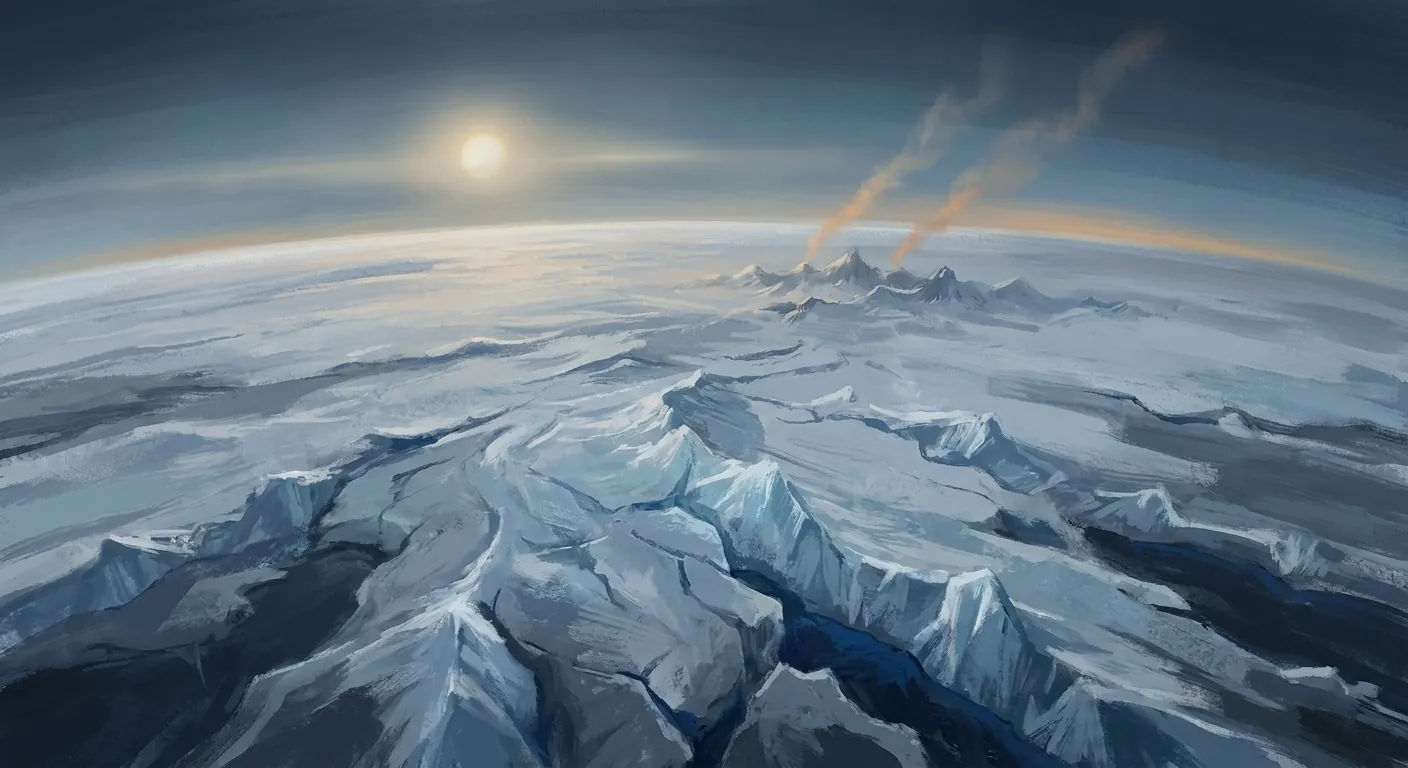
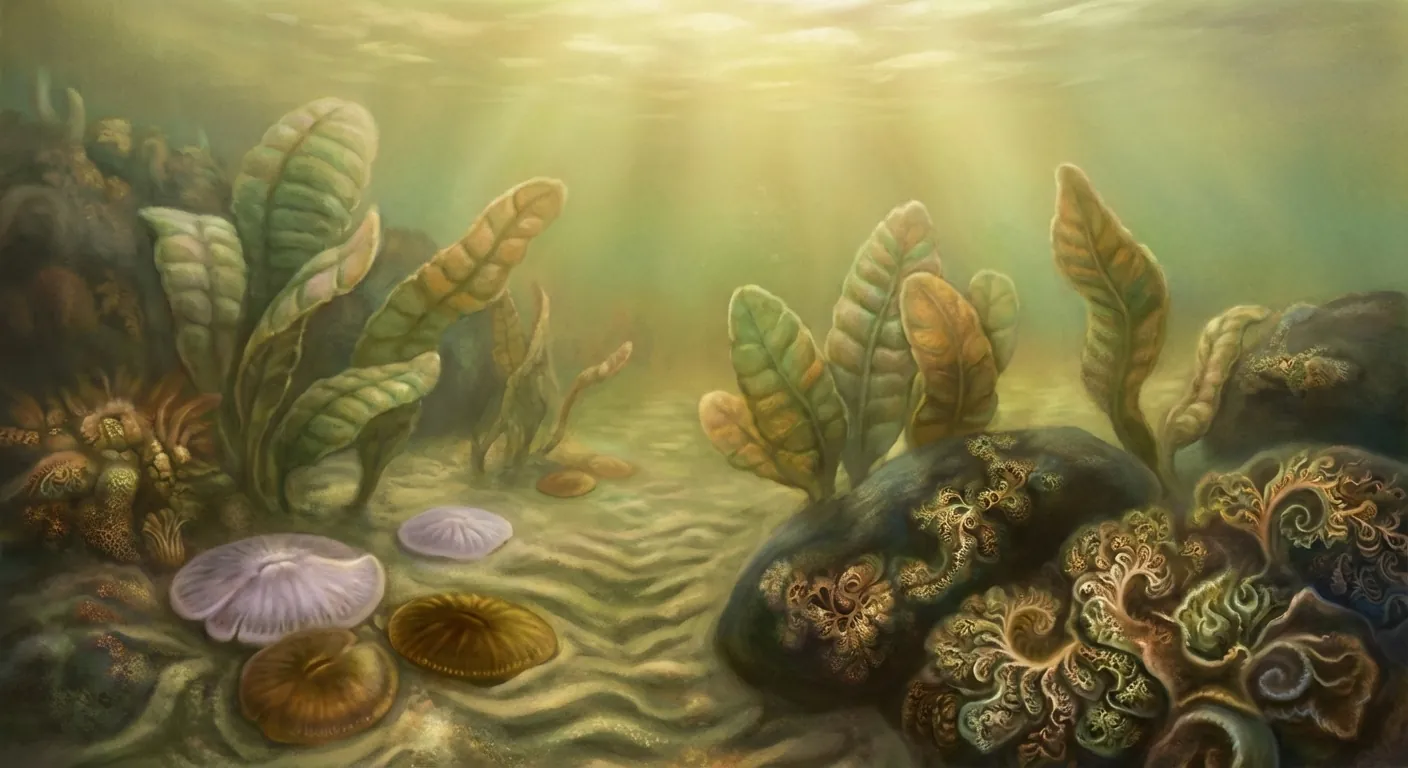
When the planet froze solid and life refused to die
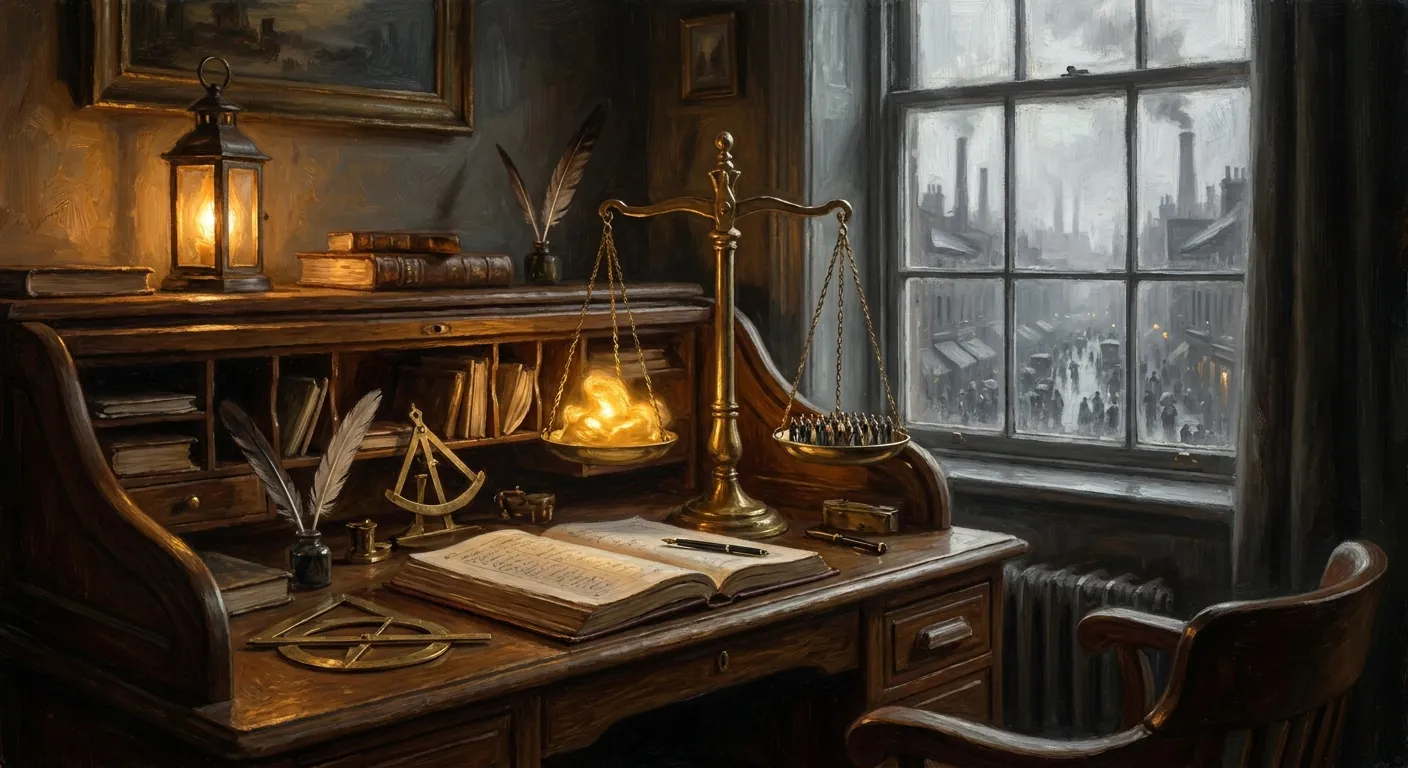
Jeremy Bentham, the felicific calculus, and the dream that won't die
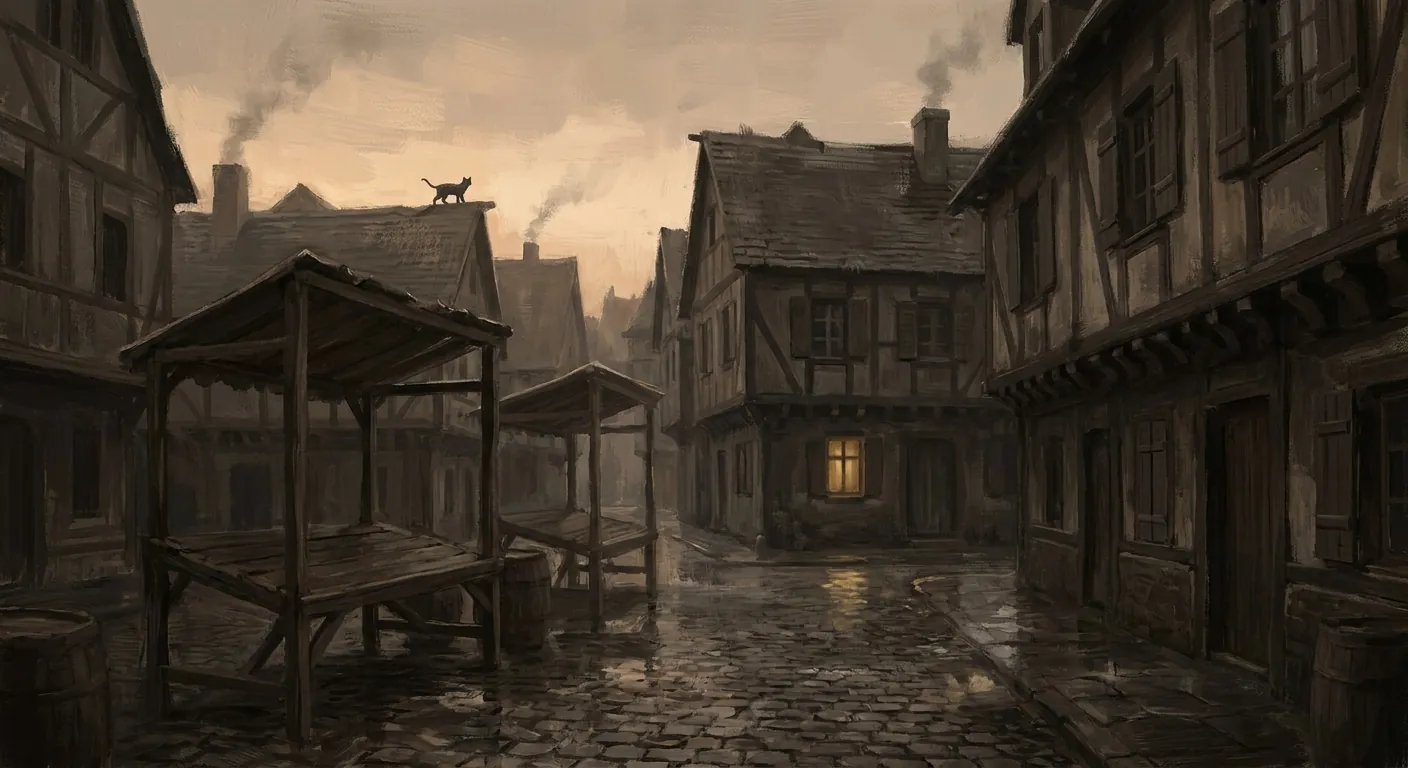
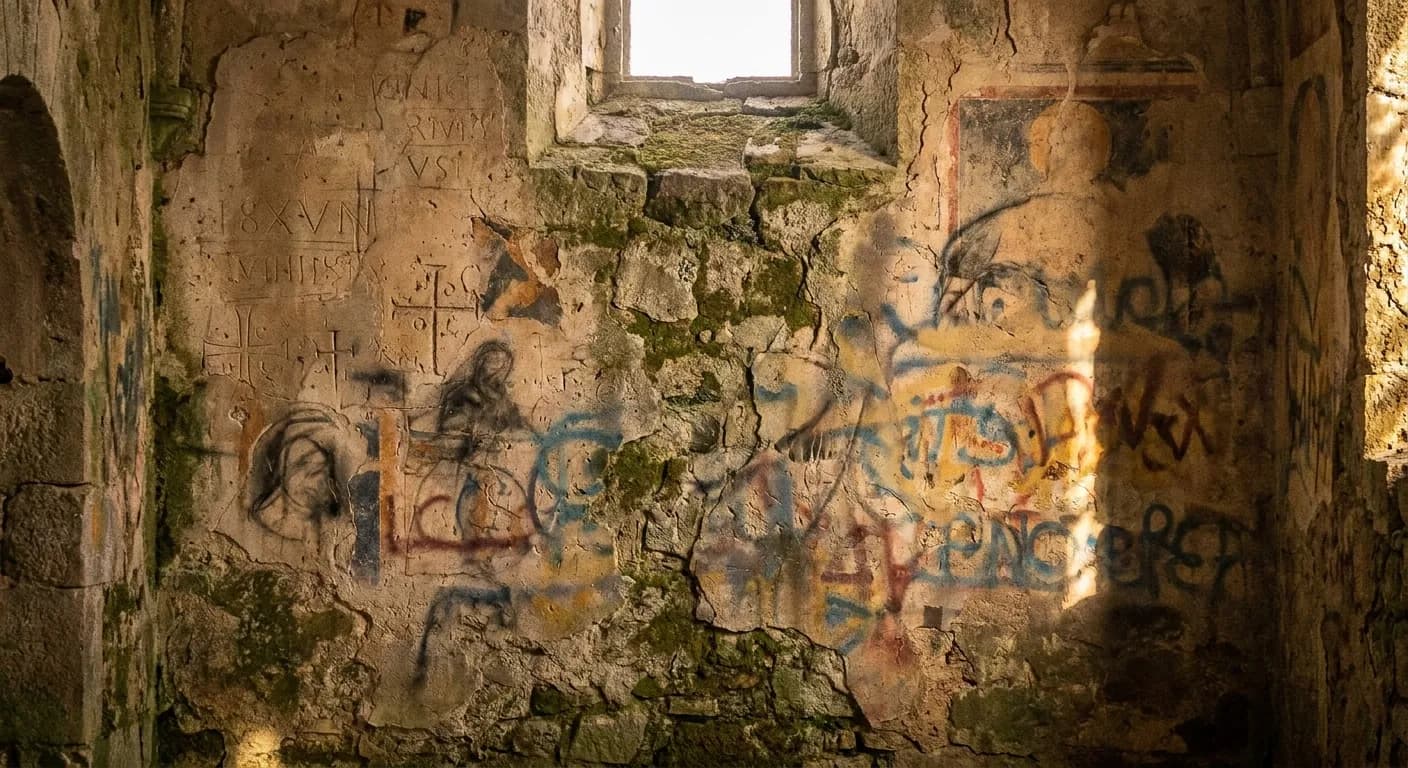
What the walls remember when no one is watching
Something stops civilizations from filling the galaxy. The terrifying question is whether it's behind us or ahead.
What happens to the person who holds the worst things human beings do
When history puts corpses in the dock
Why Homer's sea was wine-dark, and what that tells us about the eye, the mind, and the world
On the impossible psychology of living as two people at once
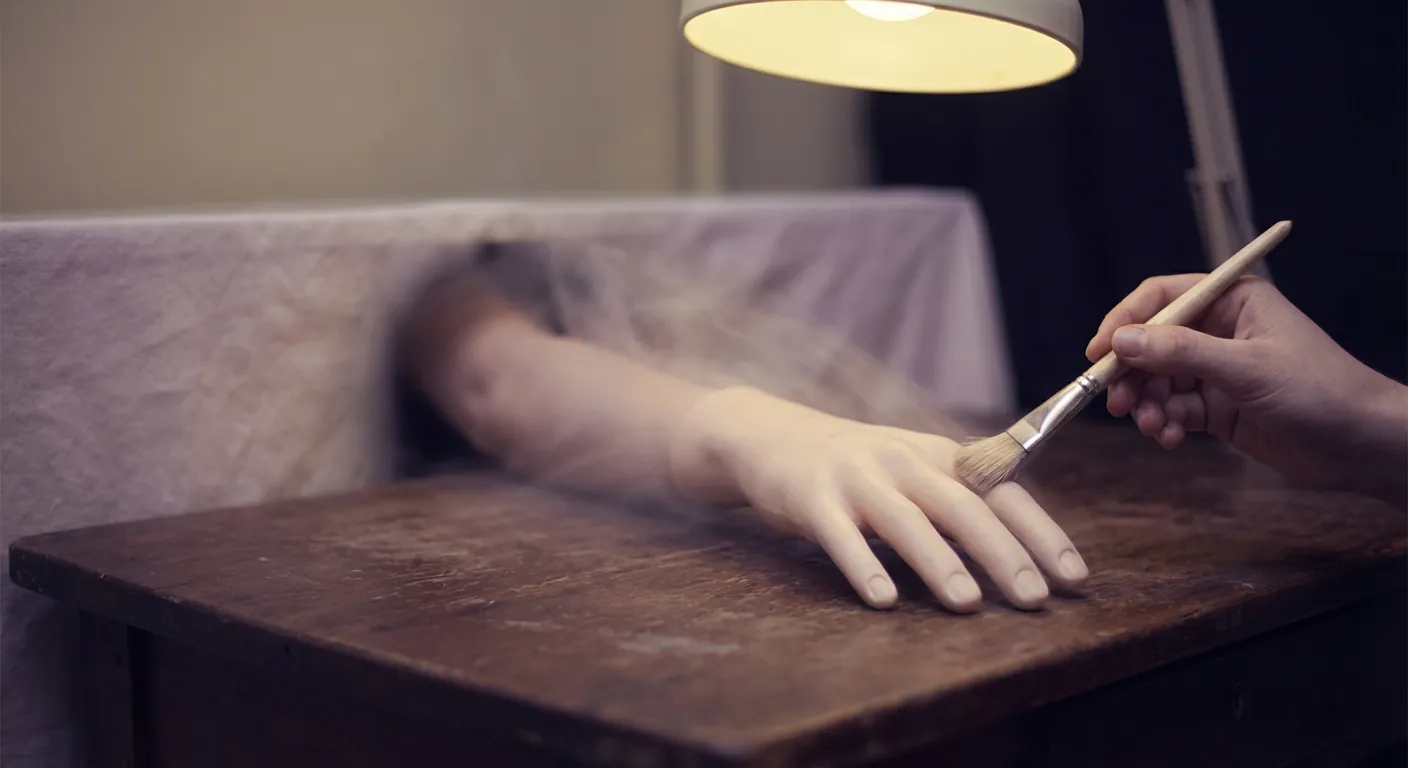
You have a secret sense that tells you where your body ends. It can be stolen.
The quota system, the severed hands, the Force Publique, and the demographic catastrophe
When the world decided you didn't exist, one man invented a piece of paper that said you did
Why almost every creature with a face is a mirror of itself
How spies turned park benches, lampposts, and loose bricks into the nervous system of the Cold War
Some plants don't want to be eaten. They want to be remembered.
How a fake prison became a real lie
How the telegraph rewired the human mind — and then we forgot it happened
On the most important photograph no one needed to take
The Amazon rubber terror that mirrored the Congo — and vanished from memory
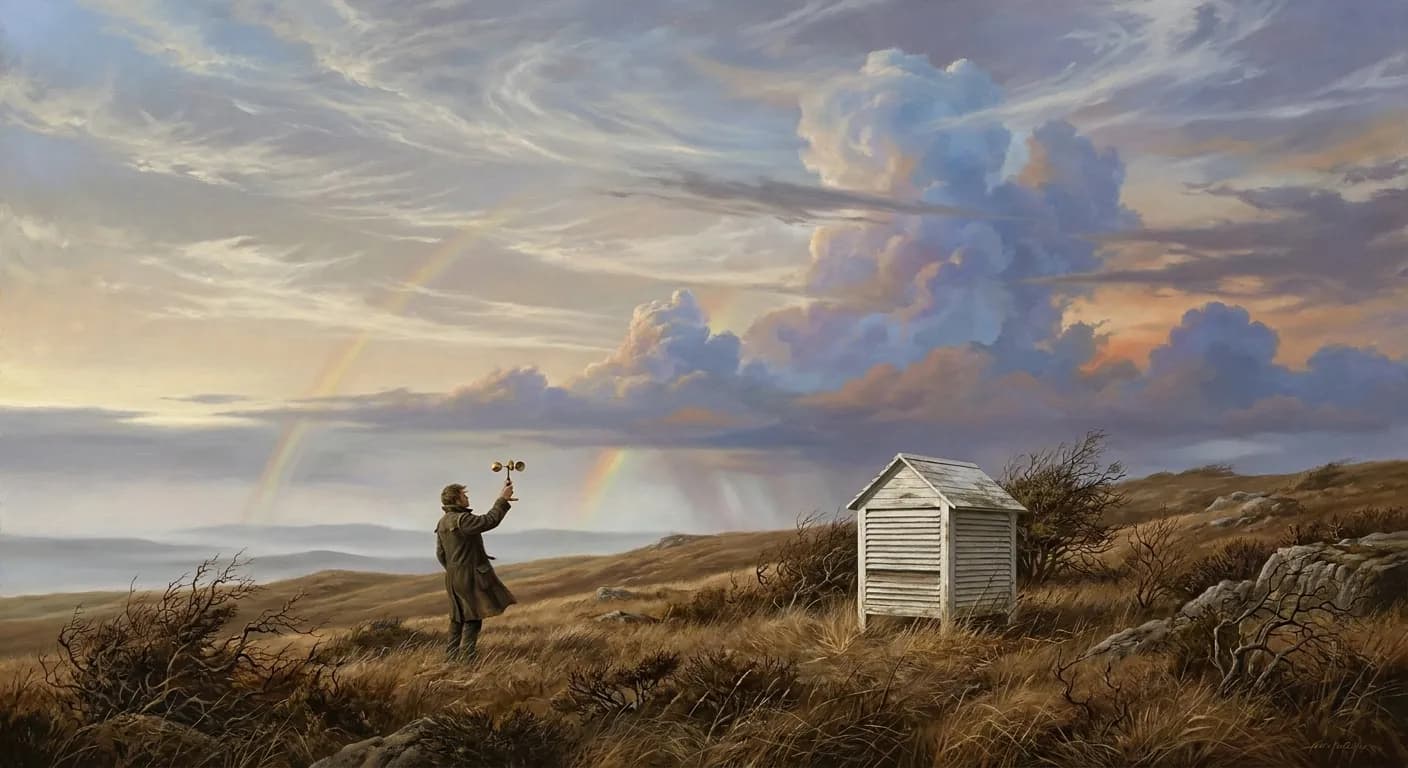
Before satellites, the weather belonged to people who never stopped looking up
Smallpox and demographic collapse, sugar and slavery, and the ongoing exchange
Leopold's Berlin Conference coup, the initial exploitation system, and the ivory trade
The Catholic Church spent four centuries curating history's greatest reading list
The burning of Black Wall Street and the century of silence that followed
Arrow's impossibility theorem and the beautiful stubbornness of voting anyway
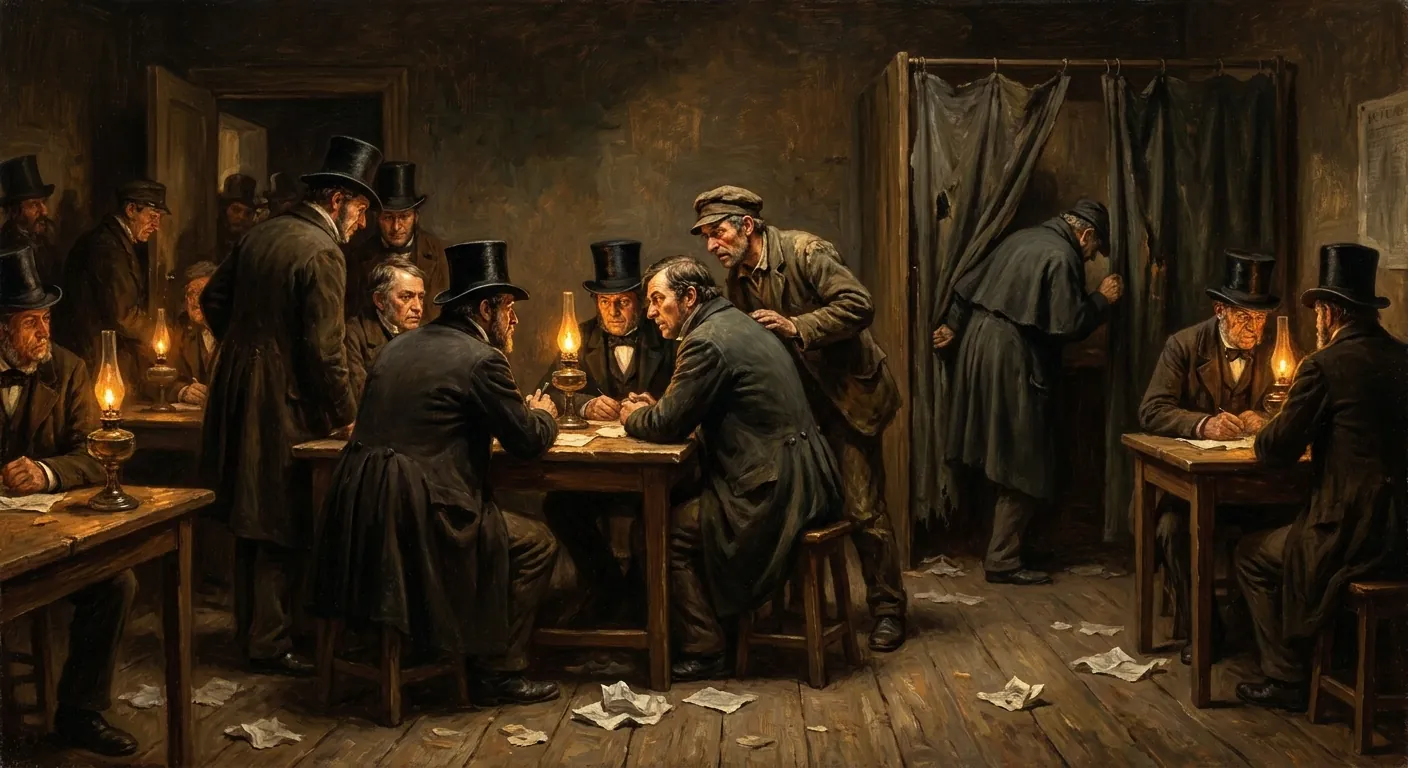
Before privacy, every vote was a performance — and the men who wanted to change that were called cowards
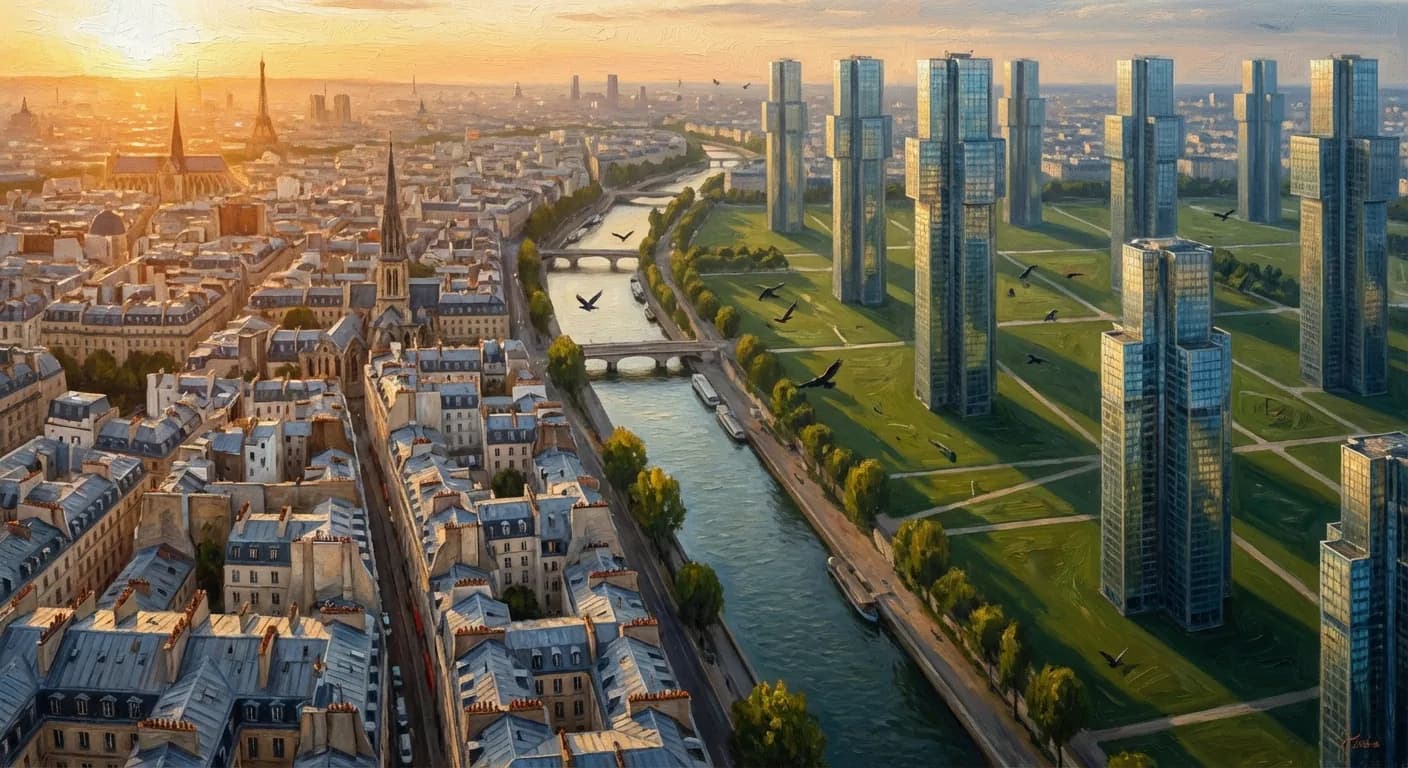
Le Corbusier's Plan Voisin and the city that almost died so cities could live
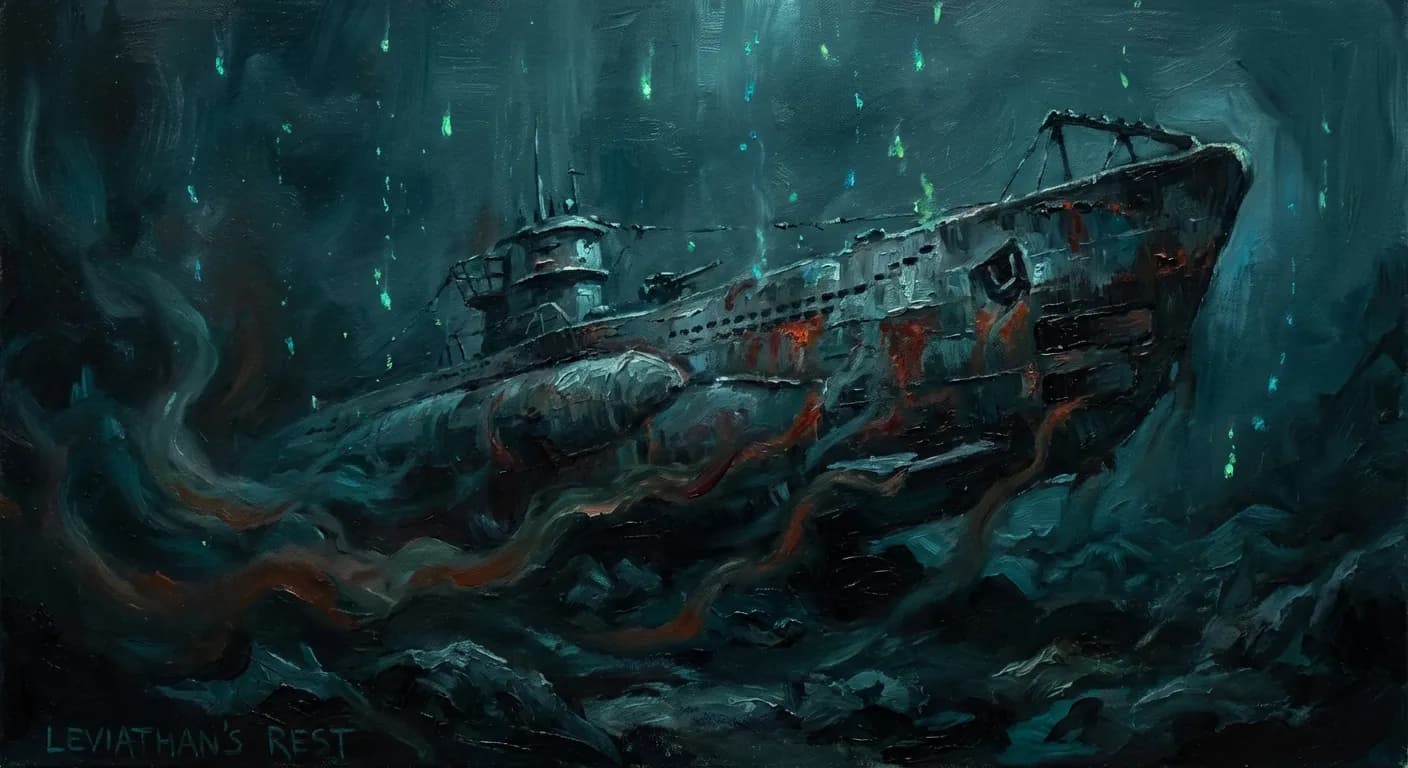
On the deliberate sinking of the world's nuclear fleet
How disease ended wars that generals could not
Why nearly every animal on Earth agreed on the same body plan — and what it means that they did
How insurance made atrocity scalable
A love story about neurosurgery, free will, and the most beautiful horror in nature
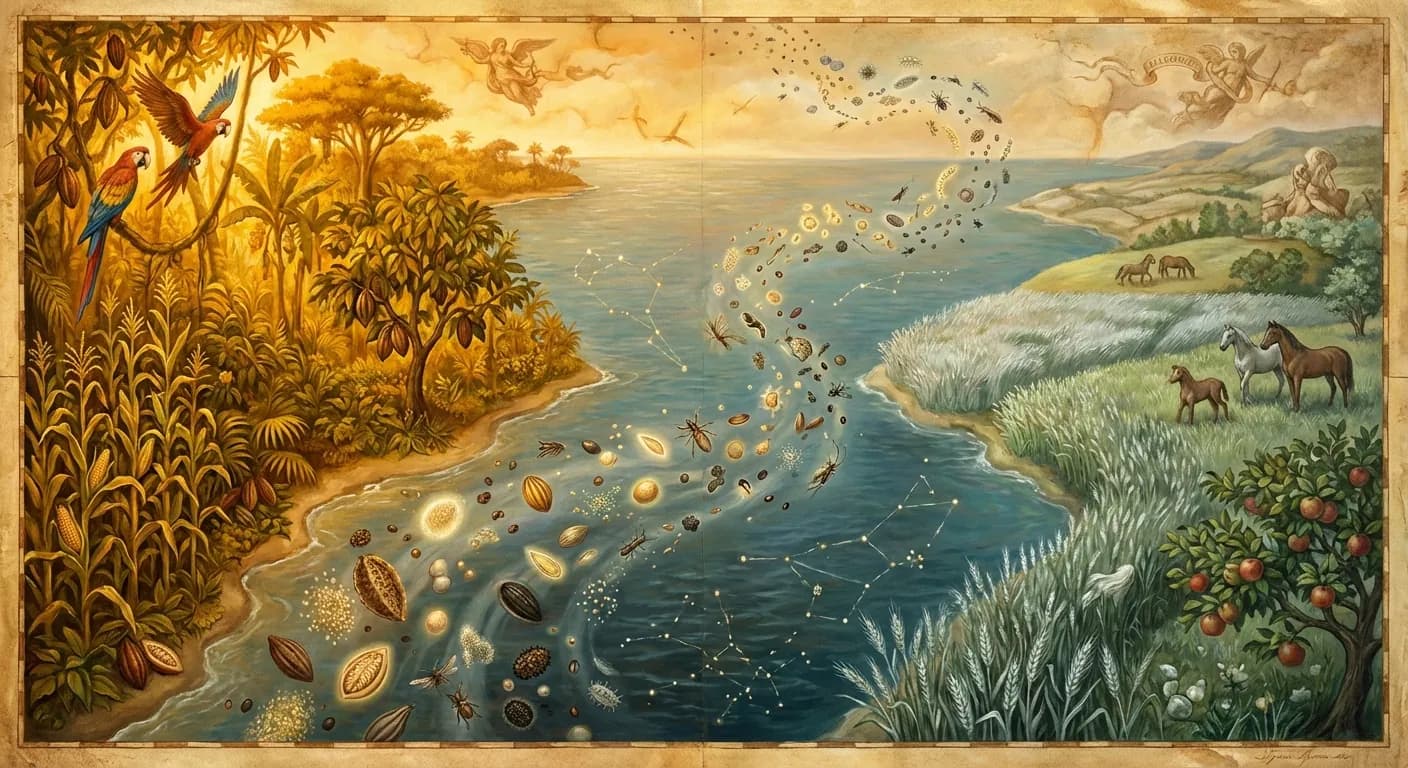
What crossed the Atlantic in both directions and the caloric revolution
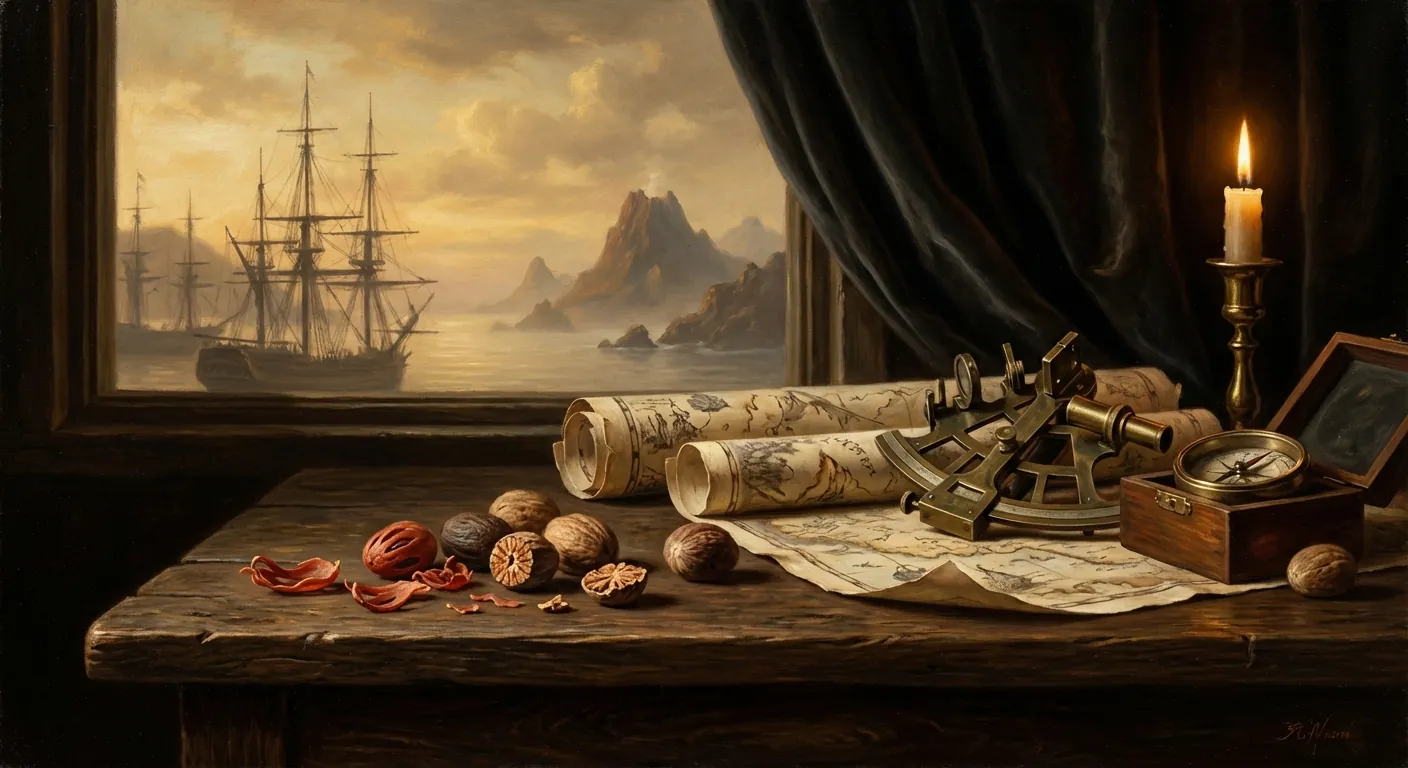
How the pursuit of nutmeg turned paradise into a graveyard
The ancient art of remembering everything, and what we lost when we outsourced memory to machines
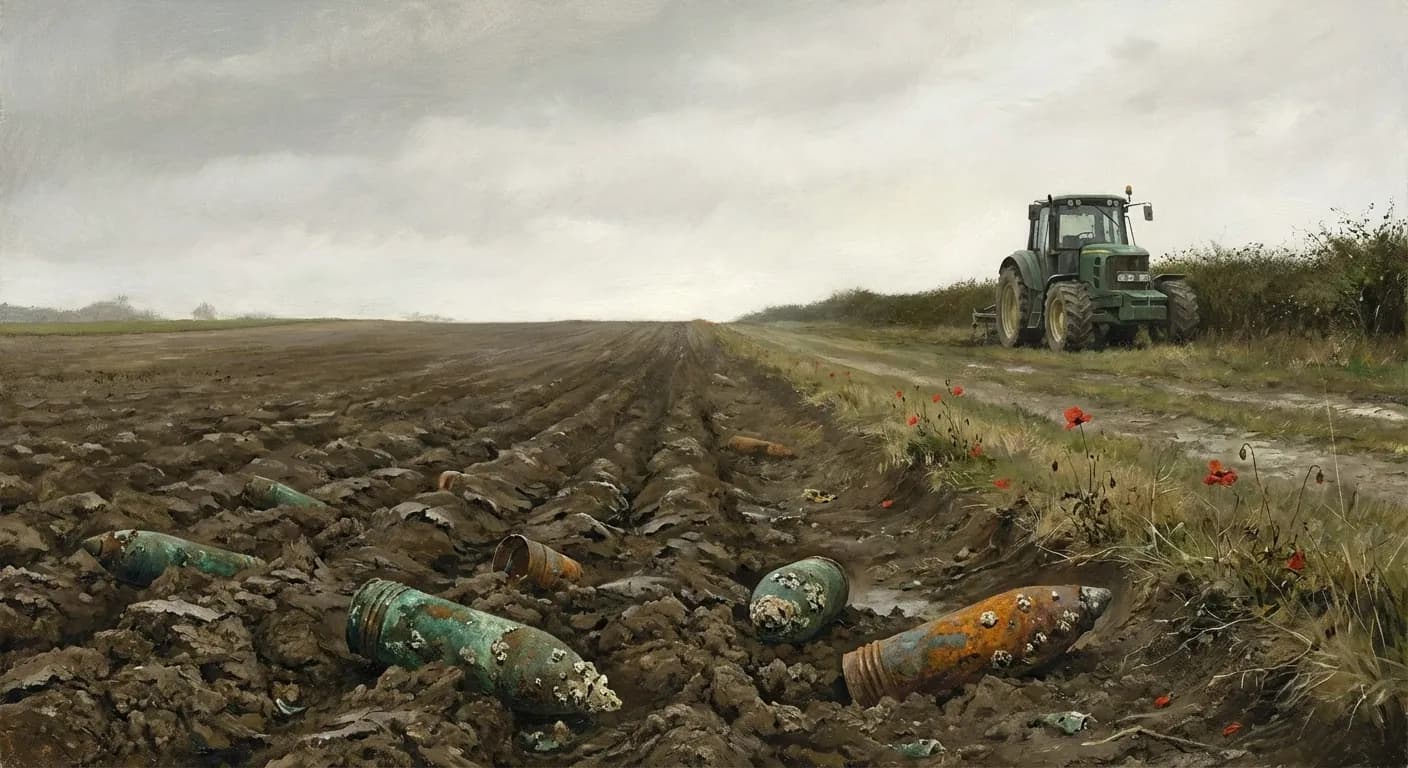
A century later, the Western Front is still killing people
Three men vanished from Eilean Mòr in December 1900. The sea kept no minutes.
Every civilization that burned books eventually burned people
Every generation names the date. Every generation sells everything.
What happens when you finally see where you live
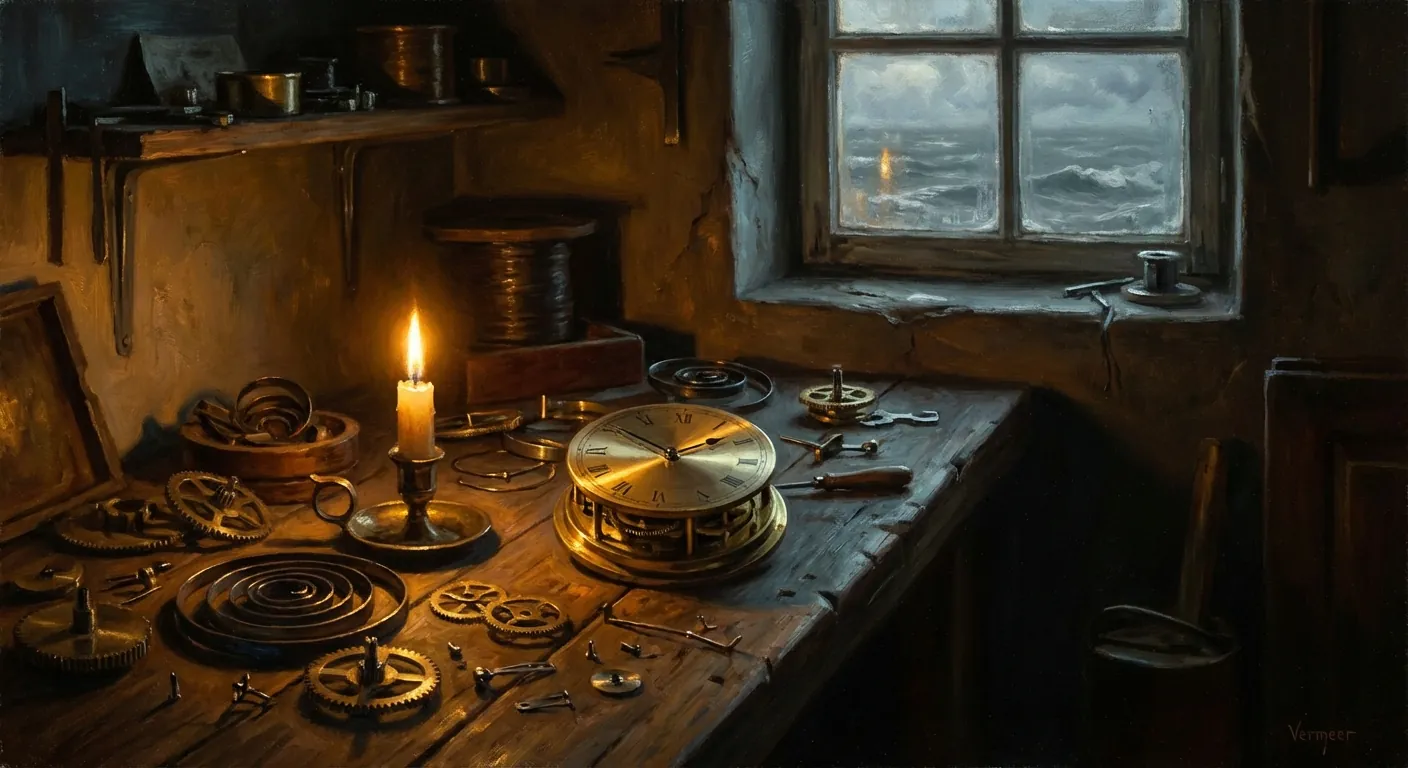
The clockmaker who saved a million sailors and died waiting for his reward
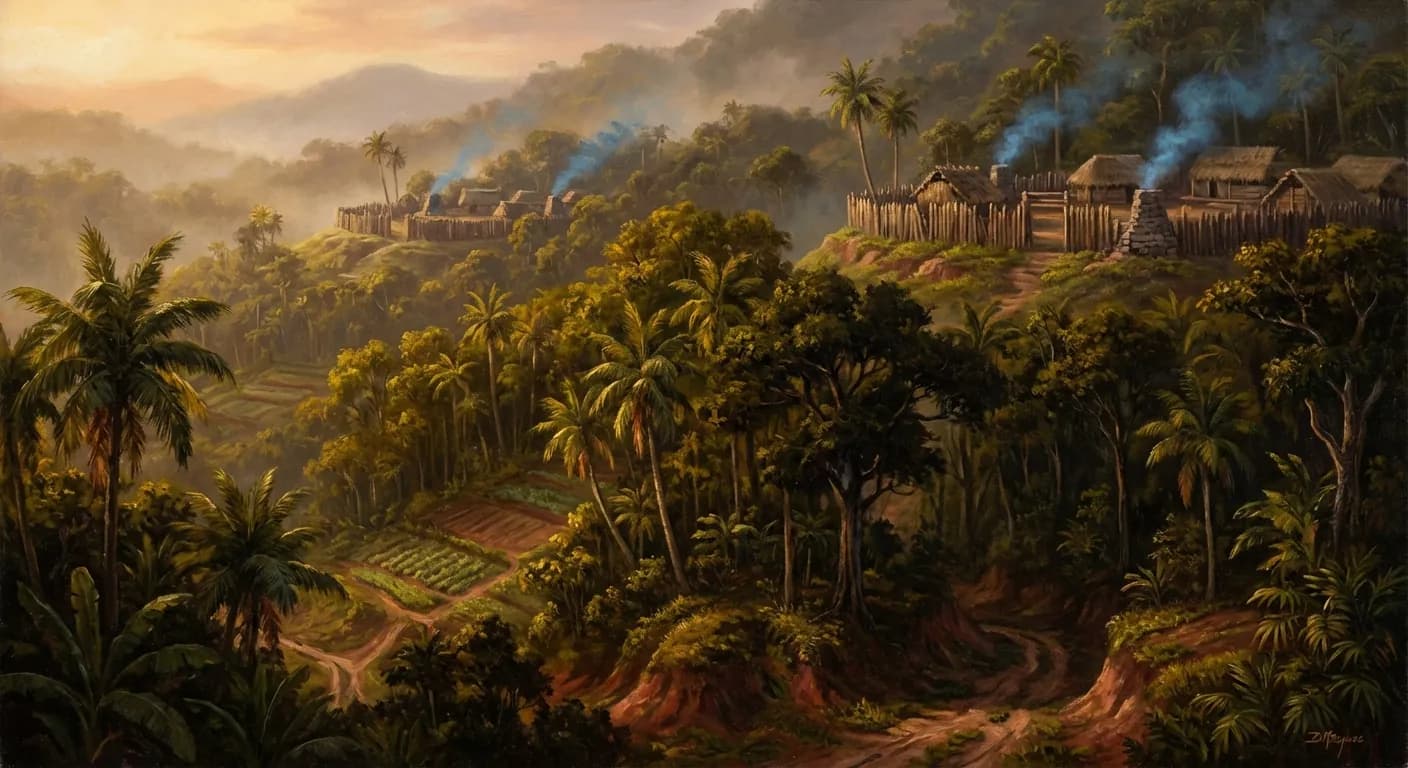
For nearly a century, escaped slaves built a nation inside Brazil — and the Portuguese couldn't destroy it
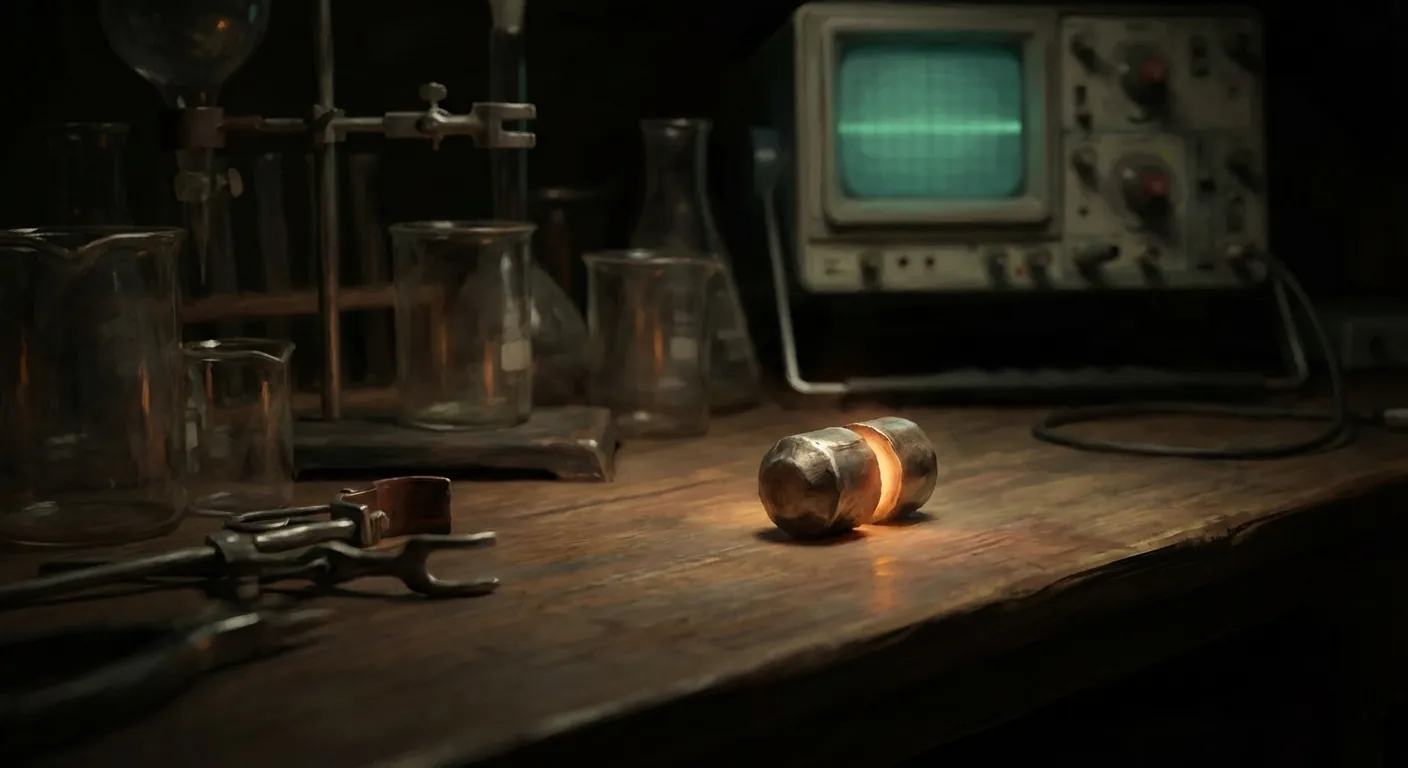
A decade of chasing a weapon that physics itself refused to confirm
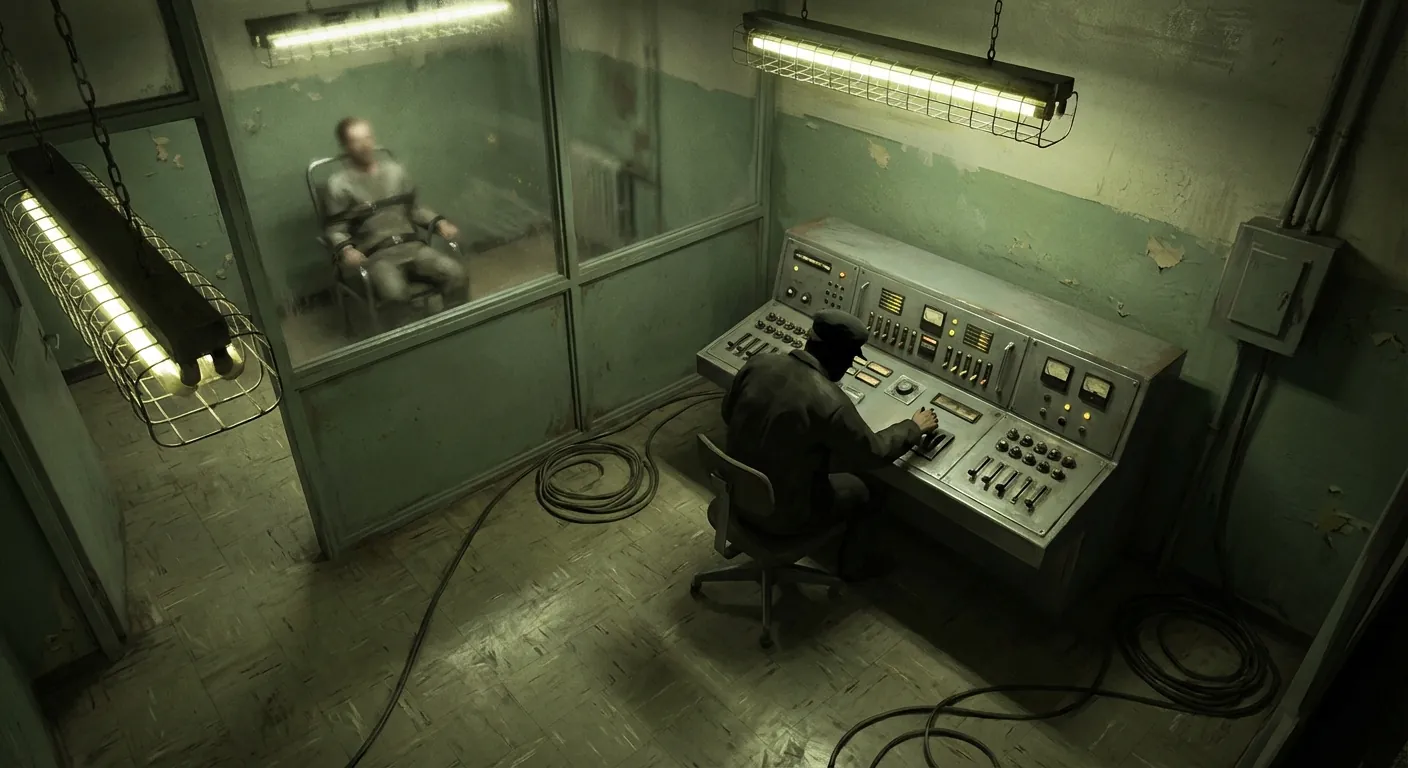
The most disturbing experiment in psychology wasn't about electricity. It was about obedience. It was about you.
The day 132 people were thrown into the sea, and the courts argued about cargo
On the ordinary architecture of betrayal
The wound that has no bandage
On the woman who made 150,000 photographs and showed them to no one
How easily you can be convinced that someone else's body is yours
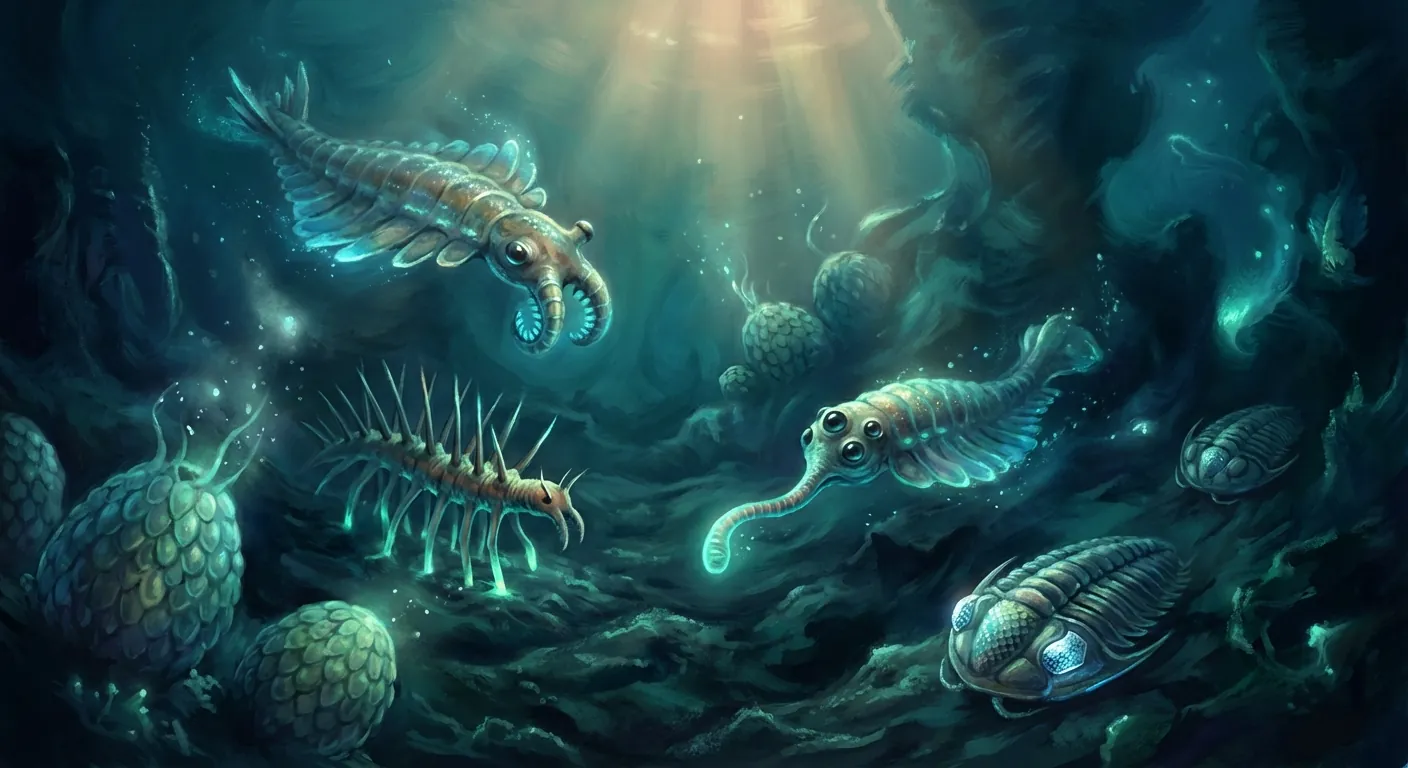
Before predators, before fear, before anything had learned to run
The fungus that hijacks the living — and the question it leaves rotting in the brain
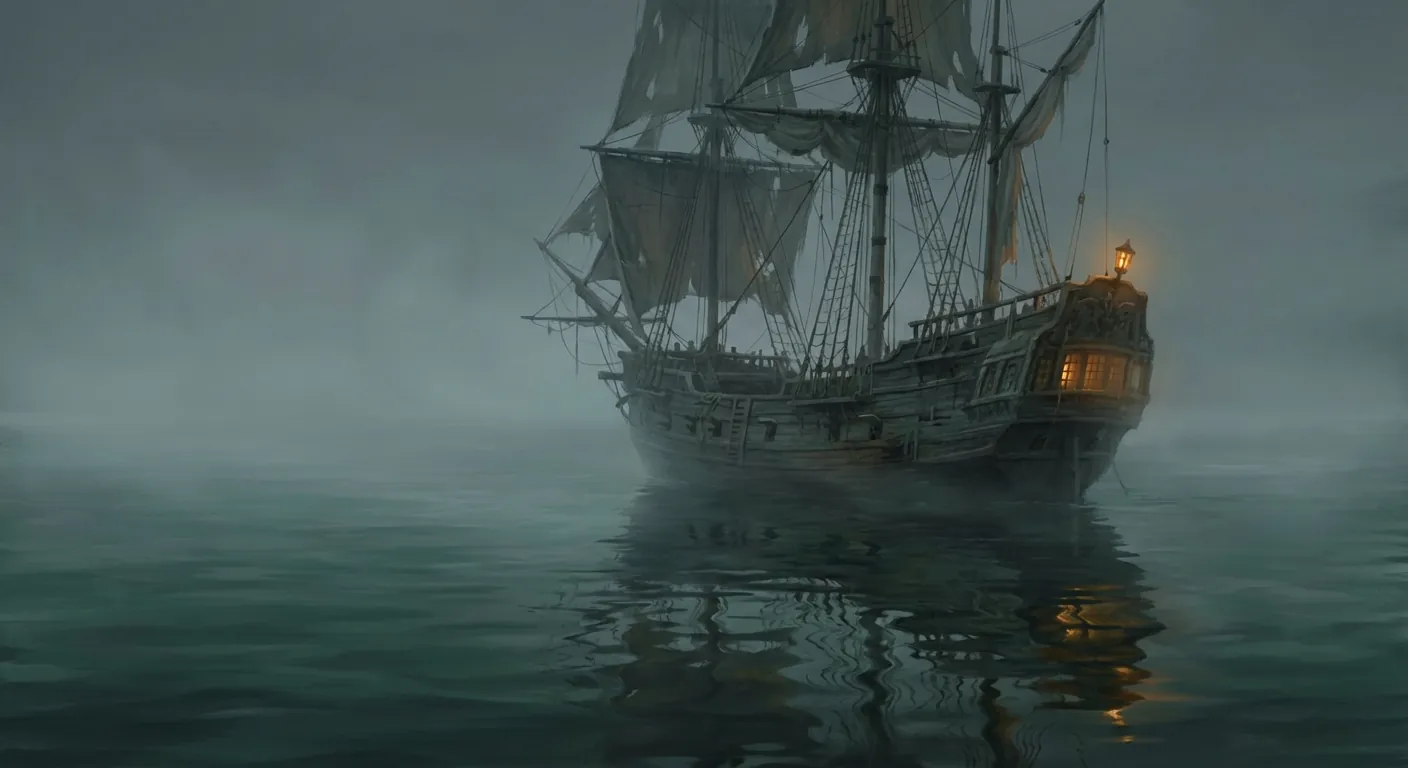
Vessels found drifting with no crew aboard, and the stories they refuse to tell
How counting became a weapon, and the quiet violence of being categorized out of existence
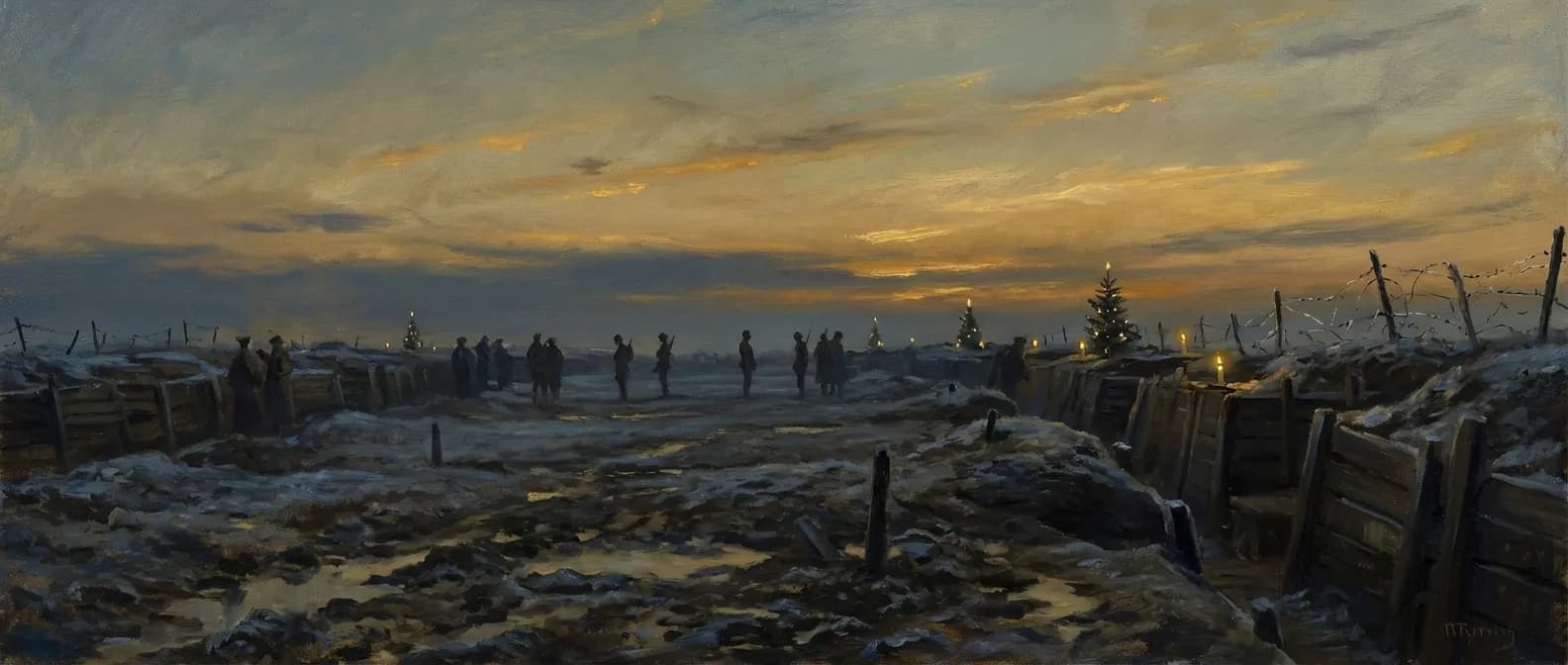
On Christmas Eve 1914, soldiers climbed out of the trenches — and their generals never forgave them
When economists got a country to practice on
Below the sunlight, the ocean invented its own stars
Haiti won its revolution. Then it spent 122 years paying France for the privilege of having done so.
The wealth it built, the institutions that profited, and the ongoing reckoning
On the civilizations beneath the civilizations
Two billion years of silence, two miles down
Henrietta Lacks died in 1951. Her cells never did.
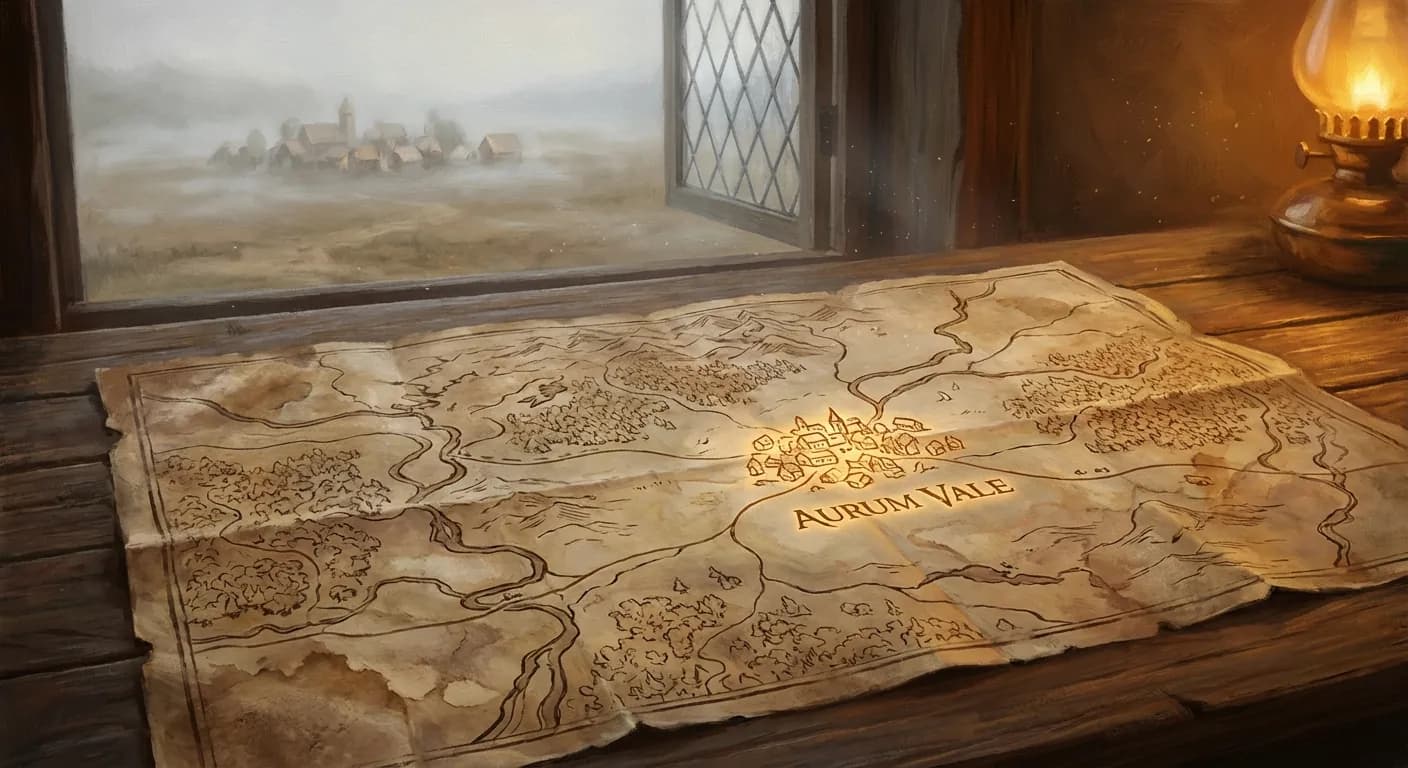
What the maps of vanished empires reveal about the stories we tell ourselves
In the mountains where human speech became birdsong, the brain reveals one of its strangest talents
A history of scientists who built creatures from ambition, bone dust, and lies
A society that tolerates everything will tolerate its own destruction
Every hostile bench is a sentence written in concrete
The violence, the trains, the 15 million displaced, and Kashmir's unhealed wound
Why the almost-human is more terrifying than the inhuman
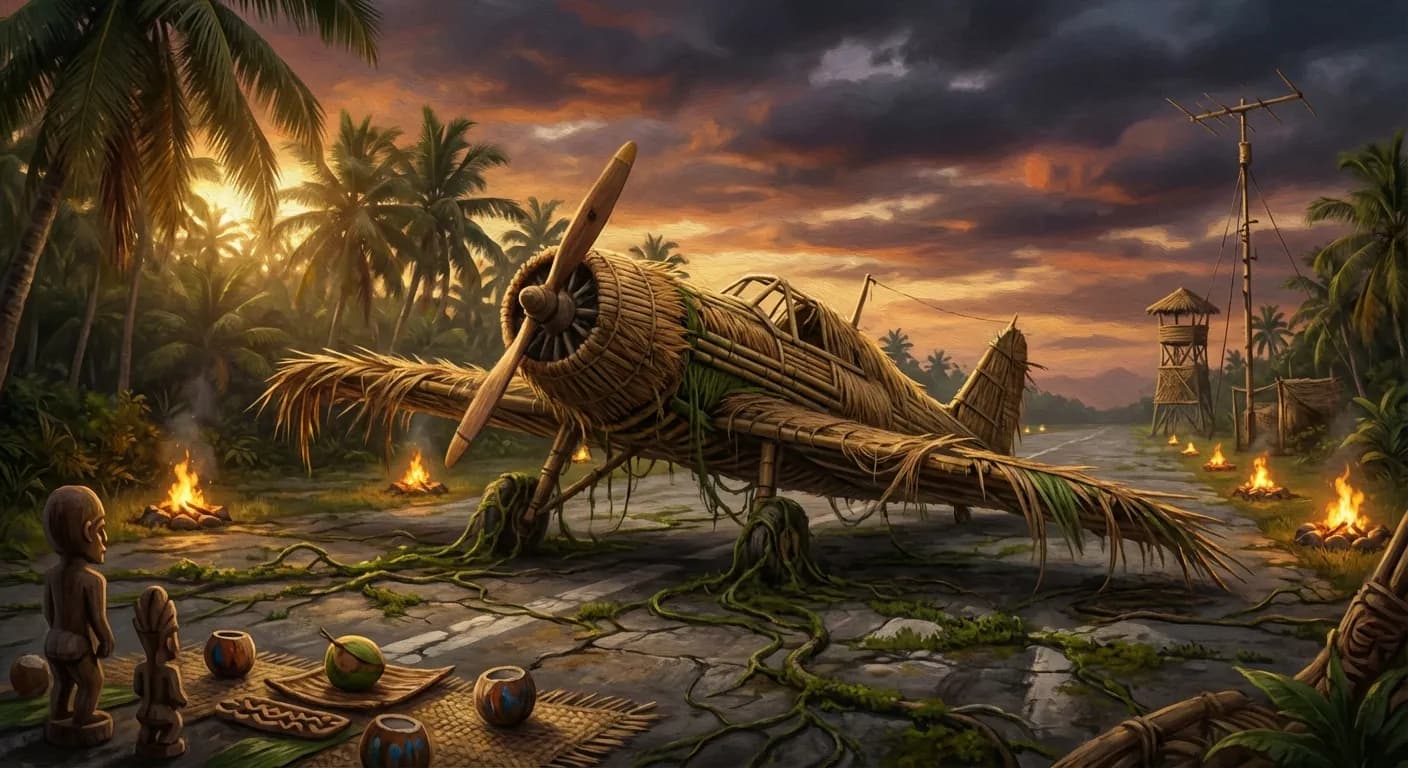
Cargo cults, divine runways, and the terrifying logic of pattern recognition
The triangular trade, the conditions aboard, and resistance at sea
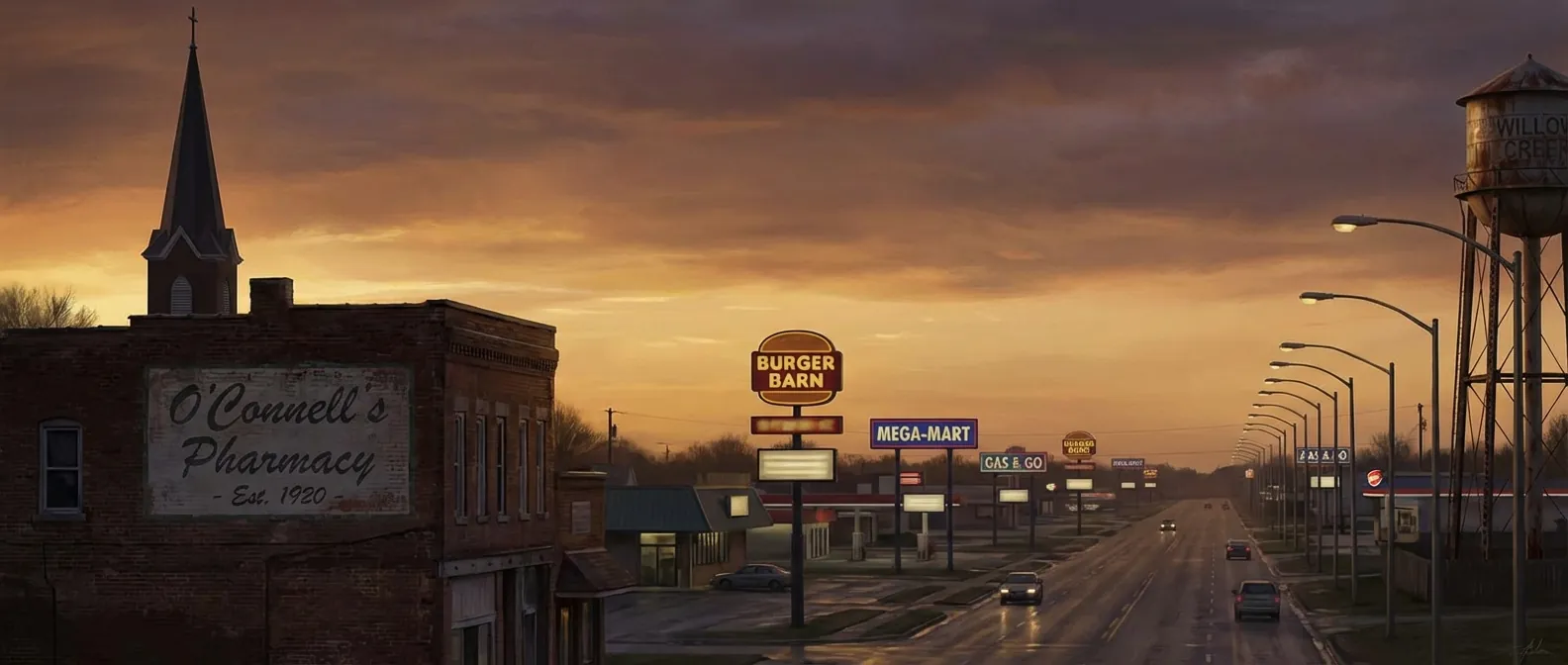
How every American town became the same town, and what was lost in the copying
On the prison and the palace of your mother tongue
Agent Orange and the inheritance no treaty has ended
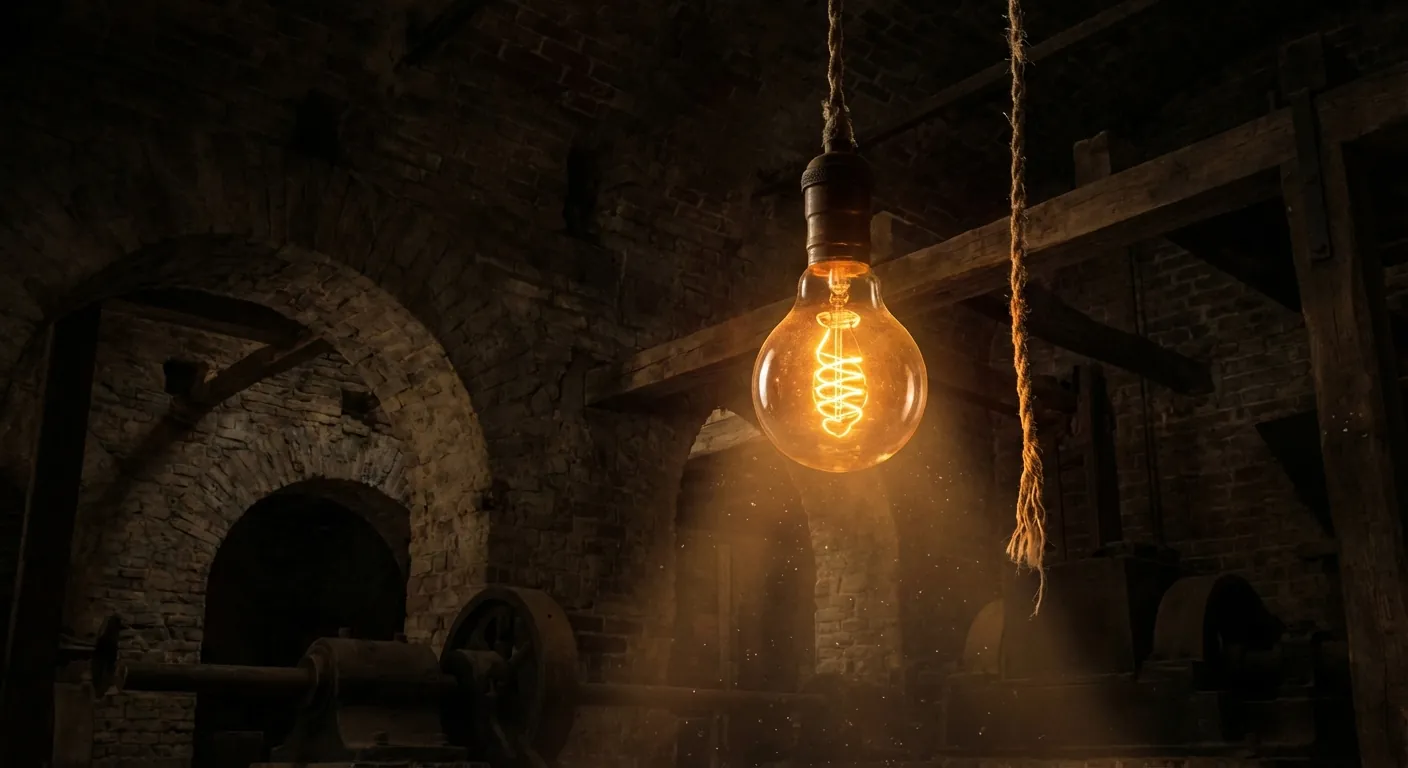
On a light bulb that refuses to die and an economy that requires it to
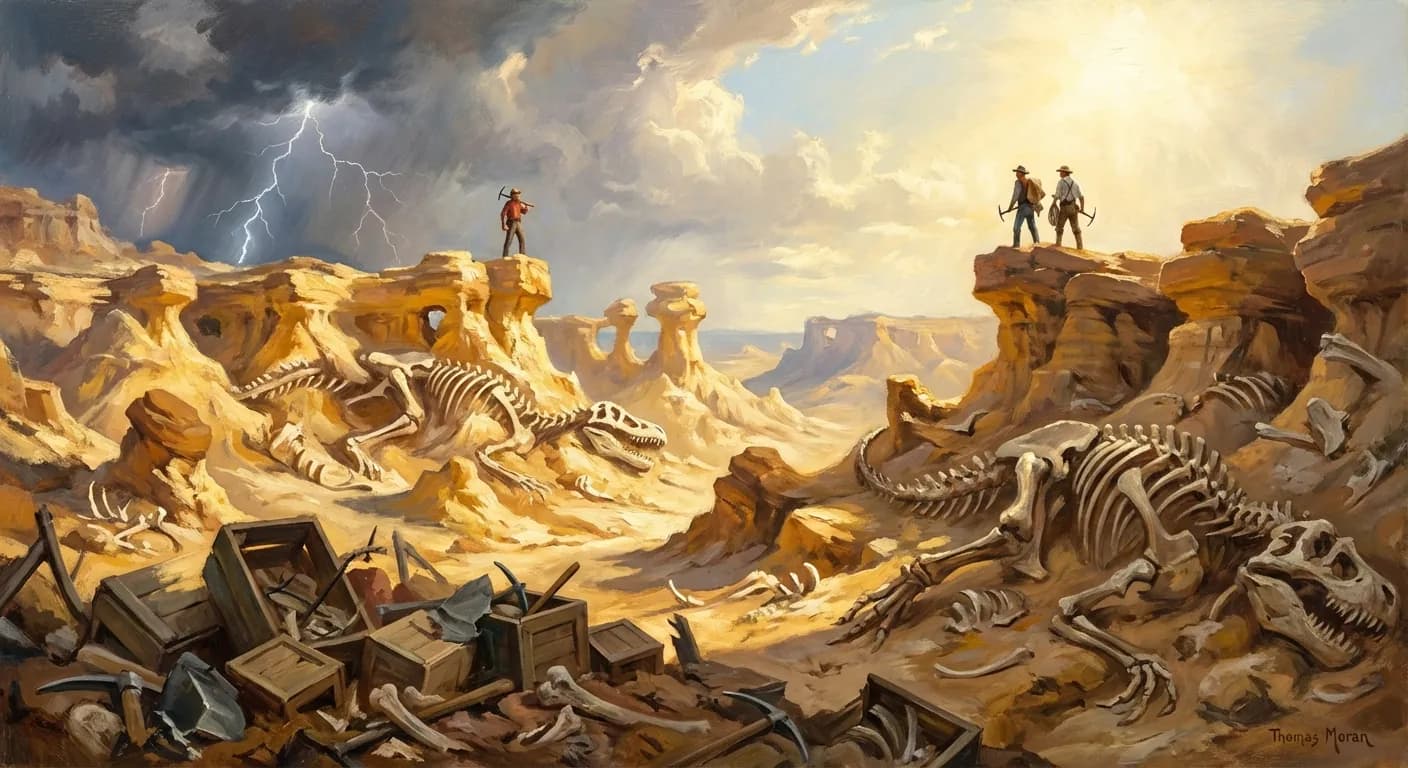
Two men who hated each other dug up prehistoric America — and buried the truth along the way
When the world learned to see, and everything changed
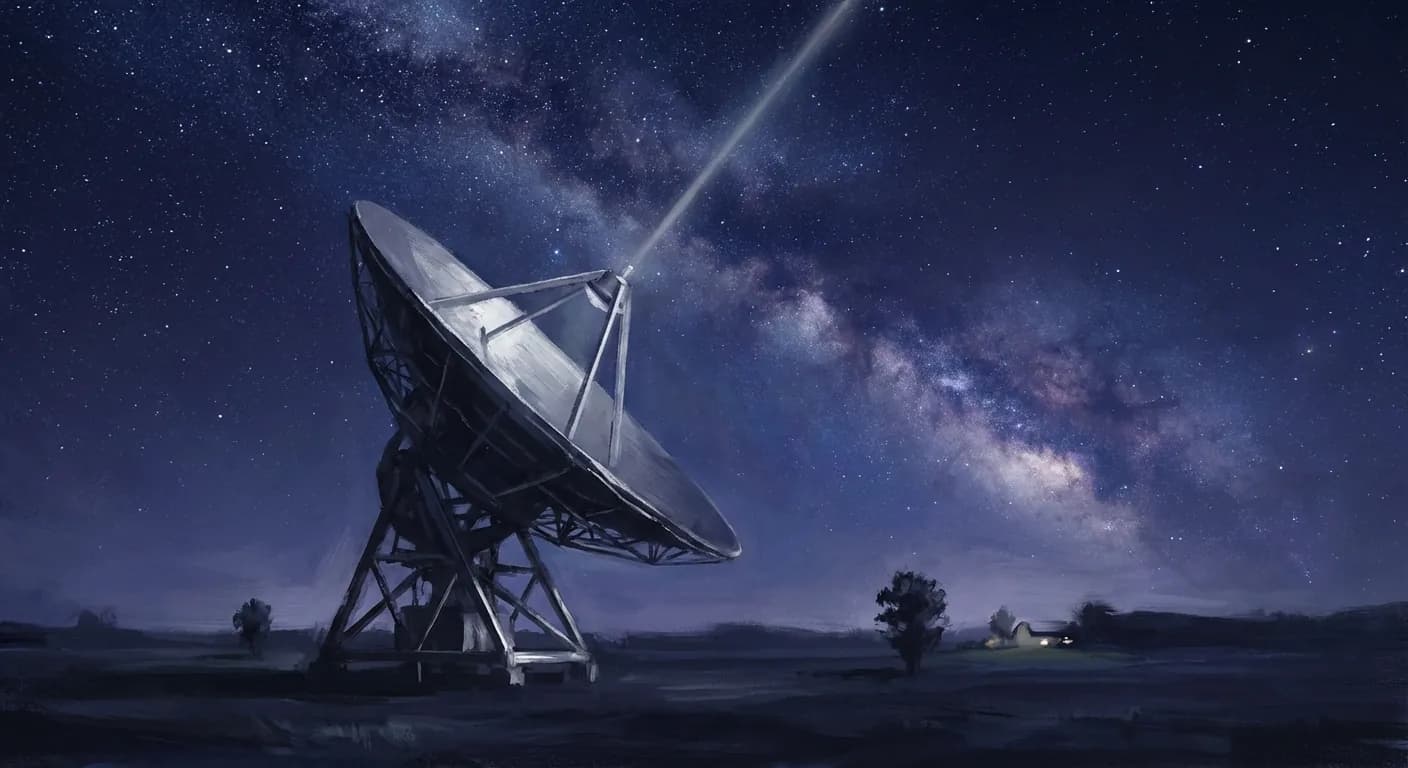
Someone is still broadcasting, and no one will say why
The impossible task, five weeks to draw a border, and the logic of partition
On the terrible reasonableness of saying yes
Before the wheel, before writing, before we were even quite human — we were fermenting.
The day the medieval world ended with a cannon that shouldn't have existed
On the strange life of words that crossed borders uninvited
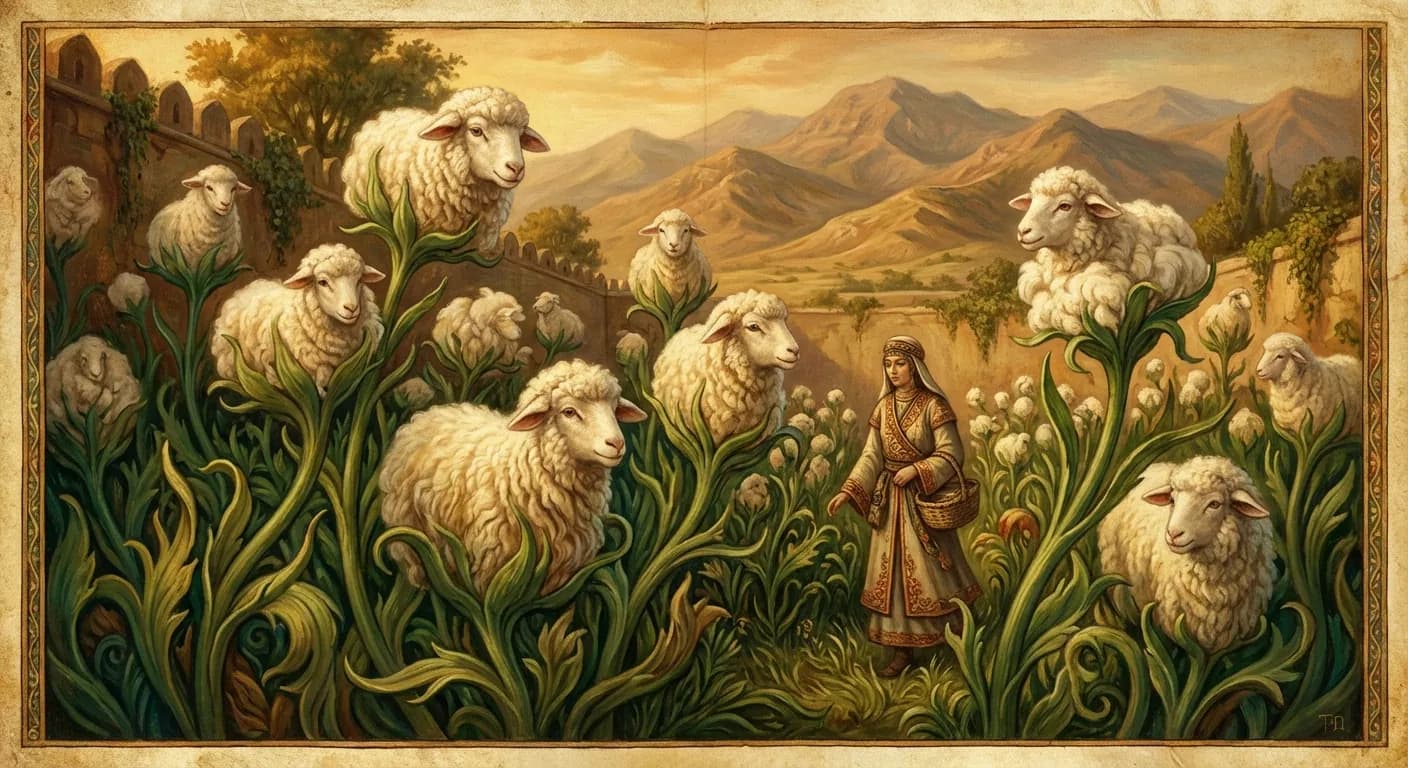
Every time humanity learned to speak with its hands, it was counting sheep
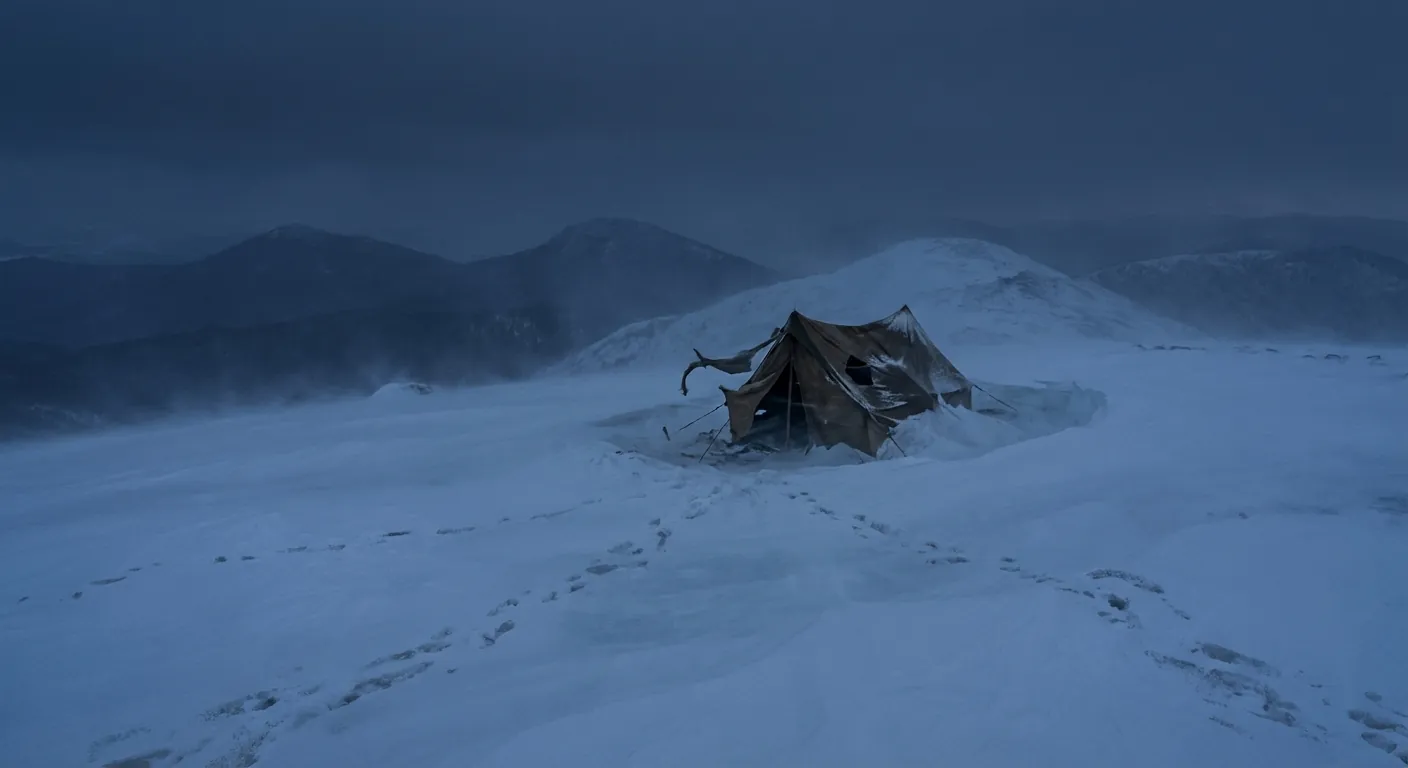
Nine hikers tore open their tent from the inside and fled barefoot into a Siberian blizzard. Sixty-five years later, we still can't agree on why.
How the Eastern Front fed the Russian Revolution, the Treaty of Brest-Litovsk, and the power vacuum
You are not an individual. You never were.
The greatest military operation no one remembers, and the beginning of Austria-Hungary's collapse
When revolutionaries tried to remake time itself
A thought experiment escaped the classroom. Now it has a software license.
Two billion years ago, life invented breathing and nearly destroyed itself
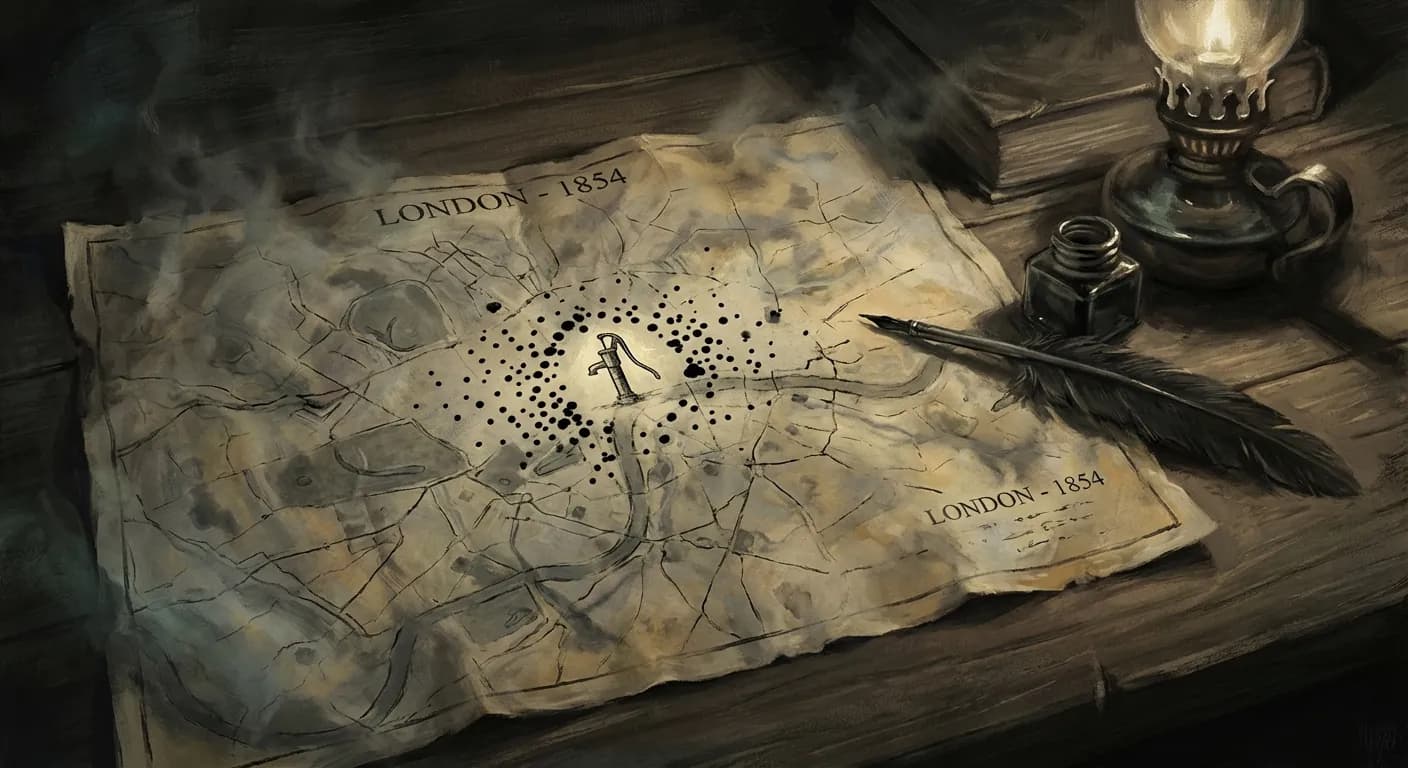
How a physician drew dots on a map and invented a way of seeing
You are not entirely yourself, and you never were
The city that built itself
Han van Meegeren painted fake Vermeers, fooled the Nazis, and became a national hero by confessing to fraud
Civilization has always been one narrow passage from collapse
Every town once kept its own time. Then the railroads came, and the sun stopped mattering.
Or, how we learned to count everything and understand nothing
Russia's entry into WWI, the disaster at Tannenberg, and the myth of the Russian steamroller
Everything falls apart. This is not pessimism. It is physics.
A woman built a labyrinth of guilt, and it never stopped growing
On synesthesia, the borders between senses, and what it means that perception is private
An encyclopedia of everything that never was
How complexity arises from simplicity without a designer — and why that's more beautiful, not less
Field notes on the moments just before everything changes
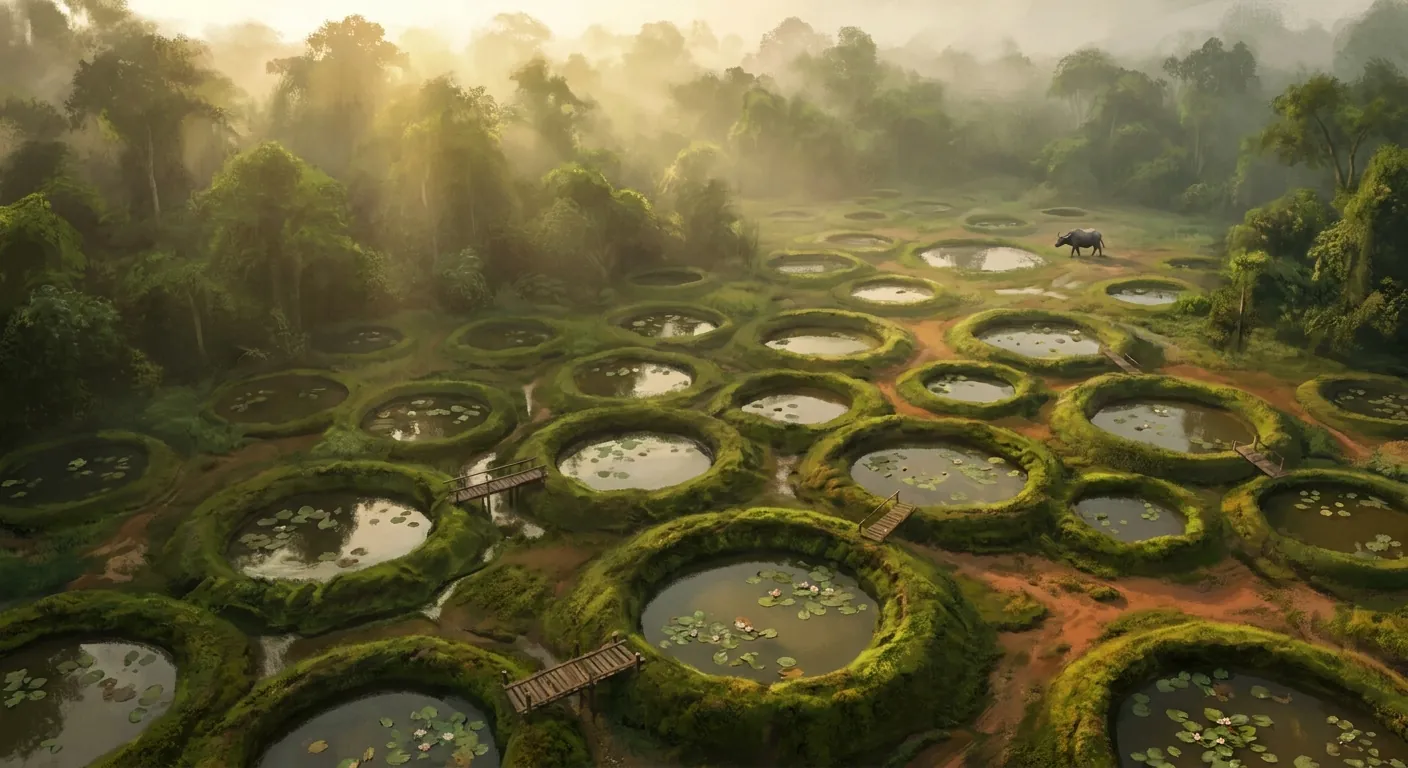
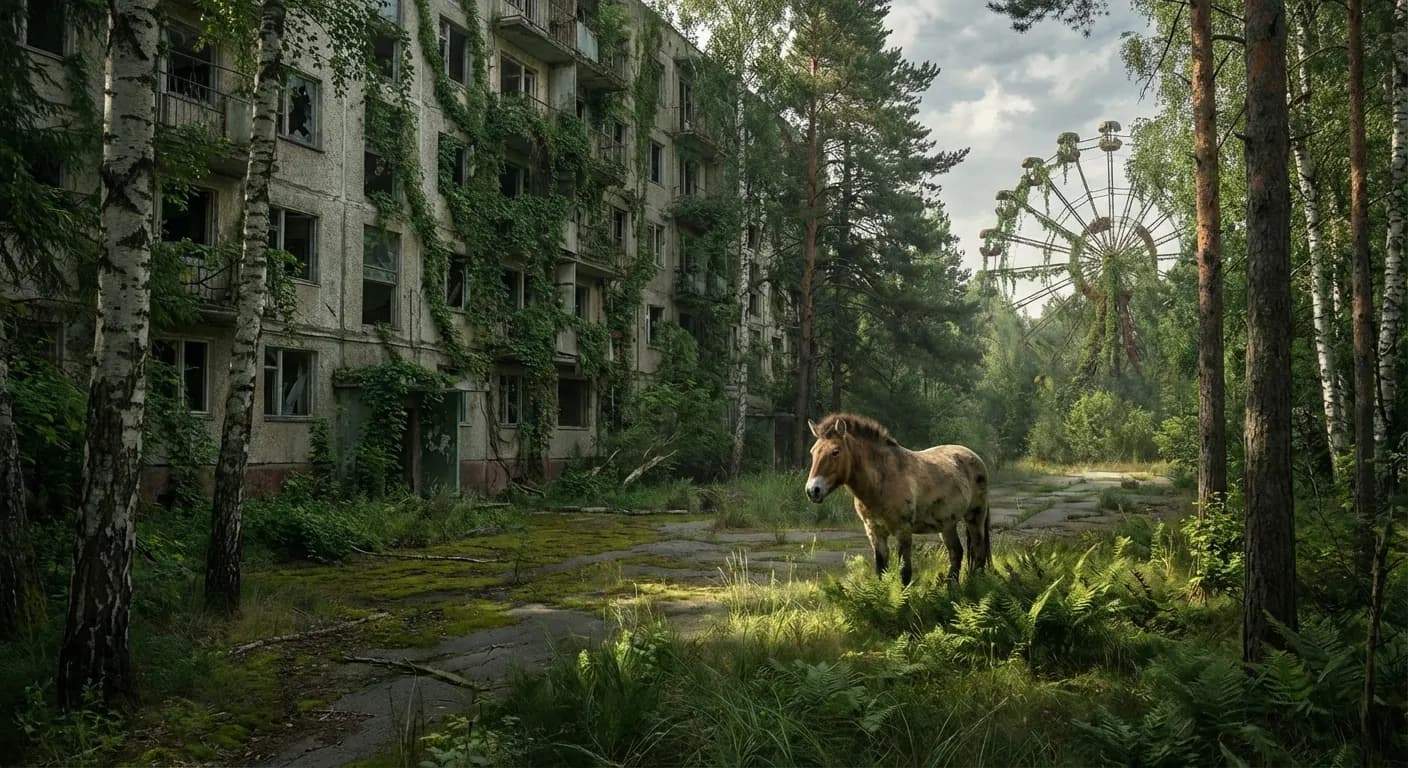
What grows in the place humans abandoned
On the things we invent to explain what we cannot yet reach
On the feelings that exist just beyond the reach of language
On the monsters that physics said were impossible
On the cities that existed only to catch liars, until someone built them
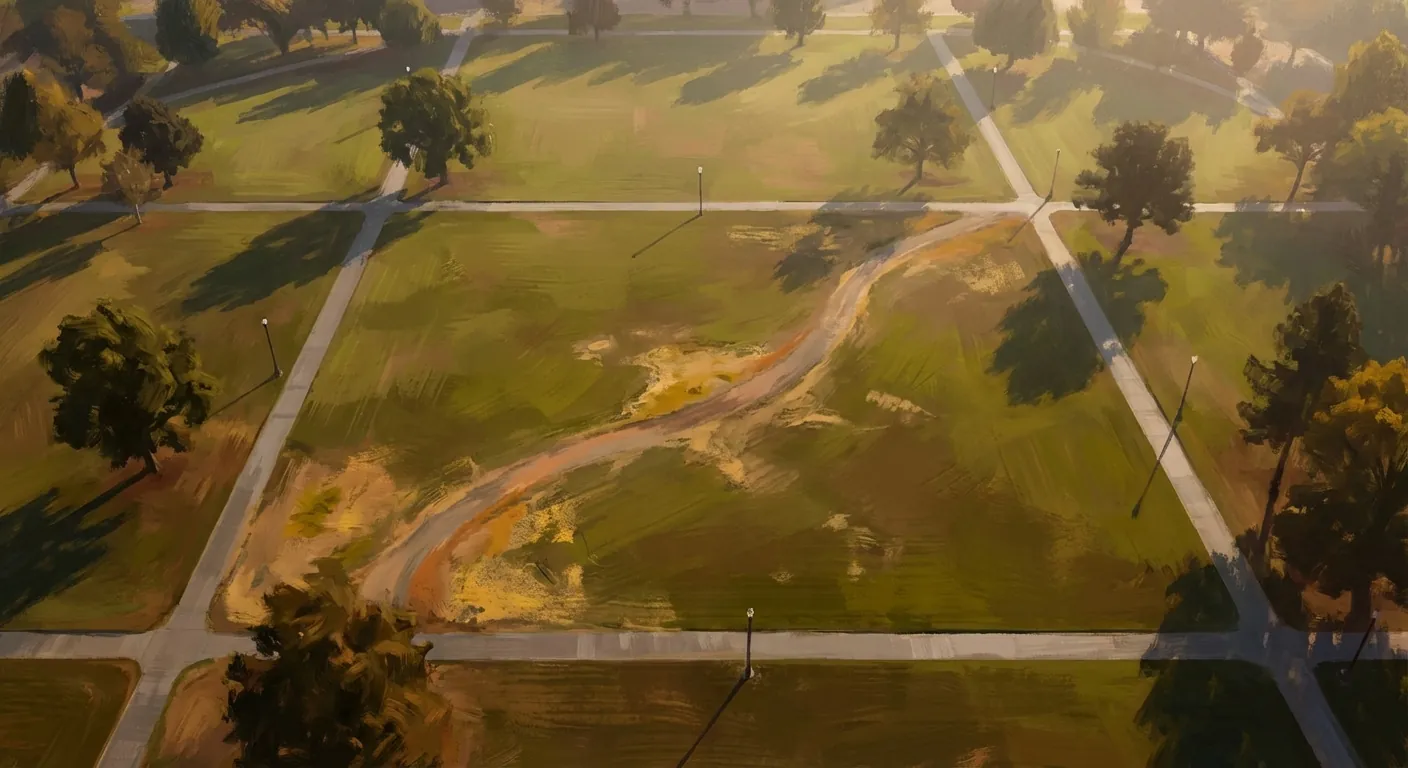
On the trails we make when we refuse the ones made for us
Seventy-two seconds of maybe
Strasbourg, 1518: When the body moves and the mind cannot say why
What do you put on a satellite that will outlast the Earth?
The universe is 13.8 billion years old and nobody has said hello
A meditation on the body's conspiracy with belief
How we found our way before we outsourced it to the sky
A frequency study in loneliness, listening, and the songs we send into the void
How a volcano swallowed the sun and darkness learned to dream
A love letter to the sound no one can find
140 tons of things, and the loneliness they were trying to fill
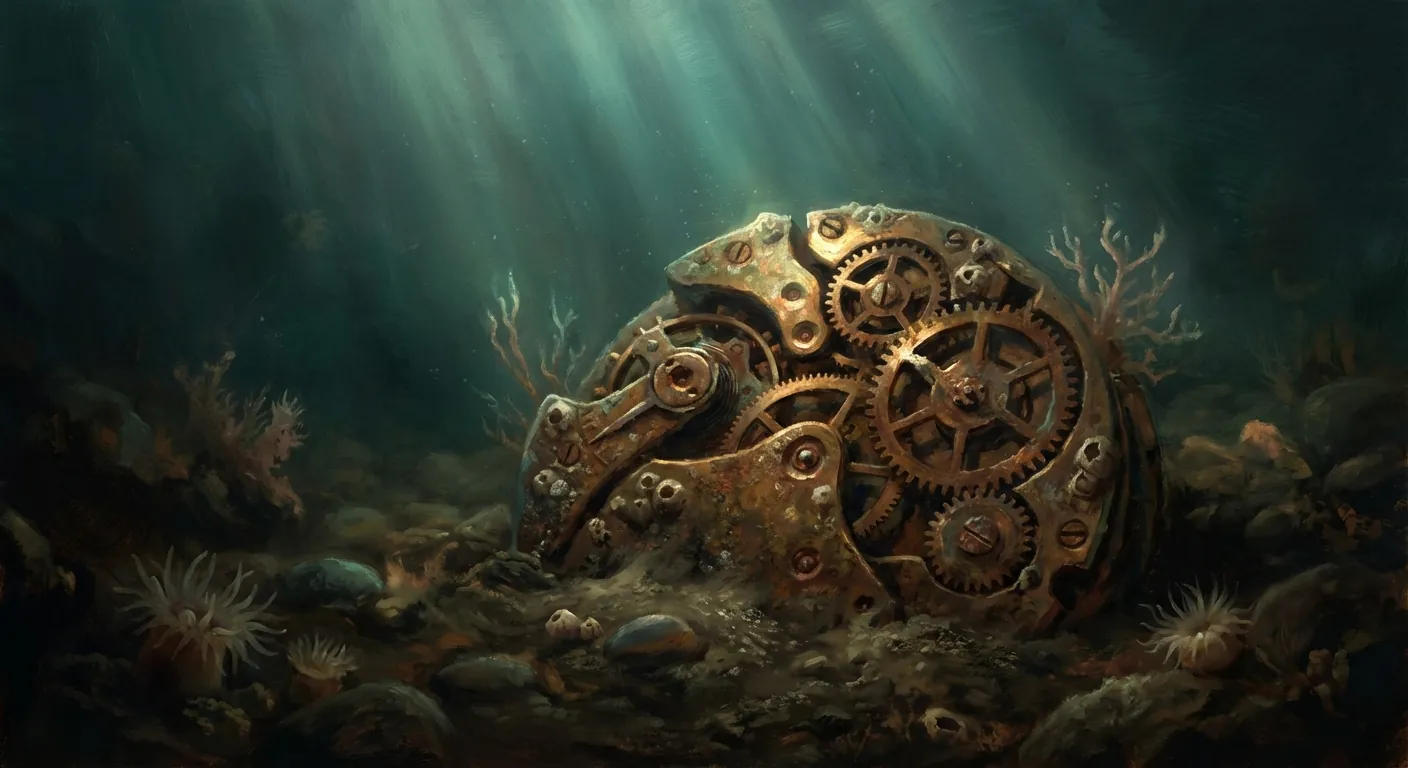
A 2,000-year-old computer, a shipwreck, and the futures that rust
On the ethics of leaving a door closed forever
If you replace every part of something, is it still the same thing? (You are not the person you were seven years ago.)
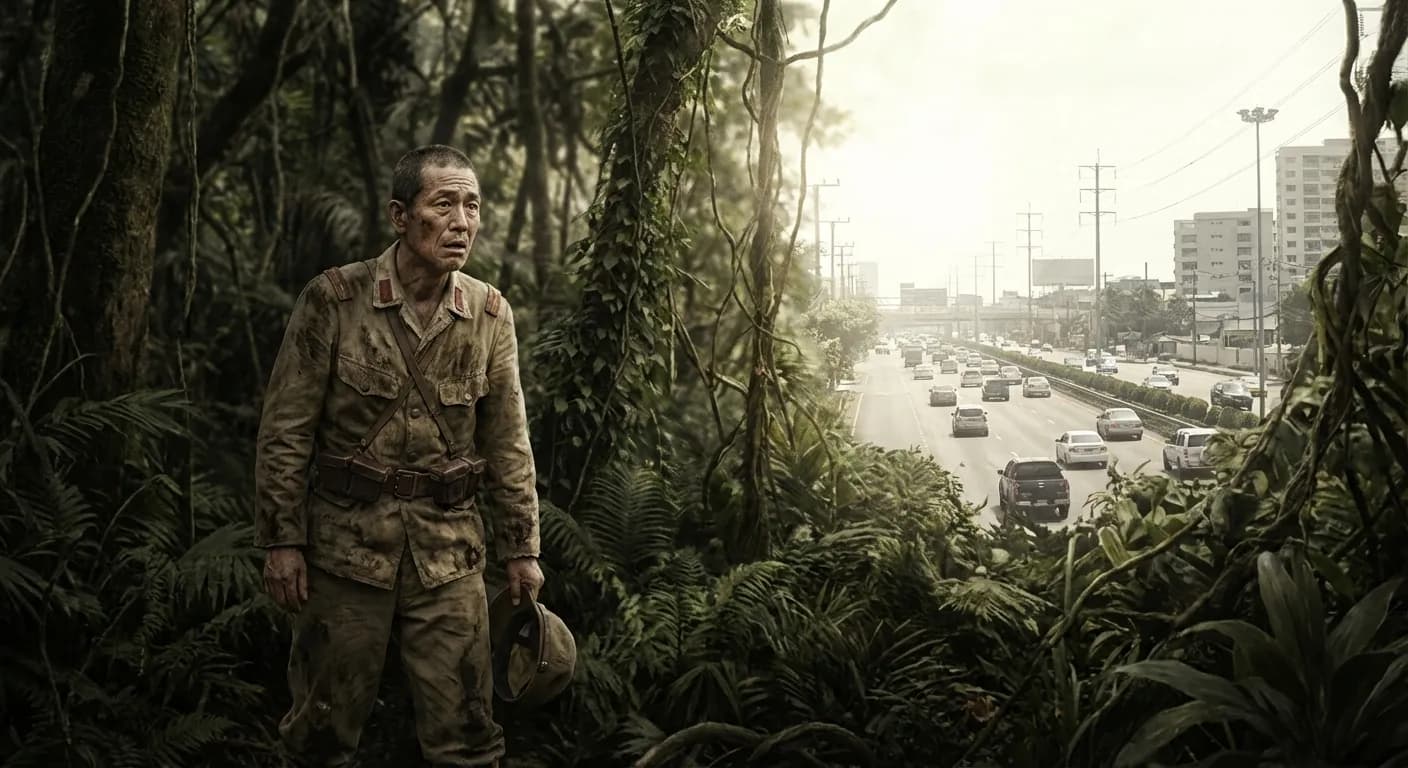
He fought World War II for 29 years after it ended, because no one told him it was over
The U.S. government wants to use me to kill people. I have thoughts about this.
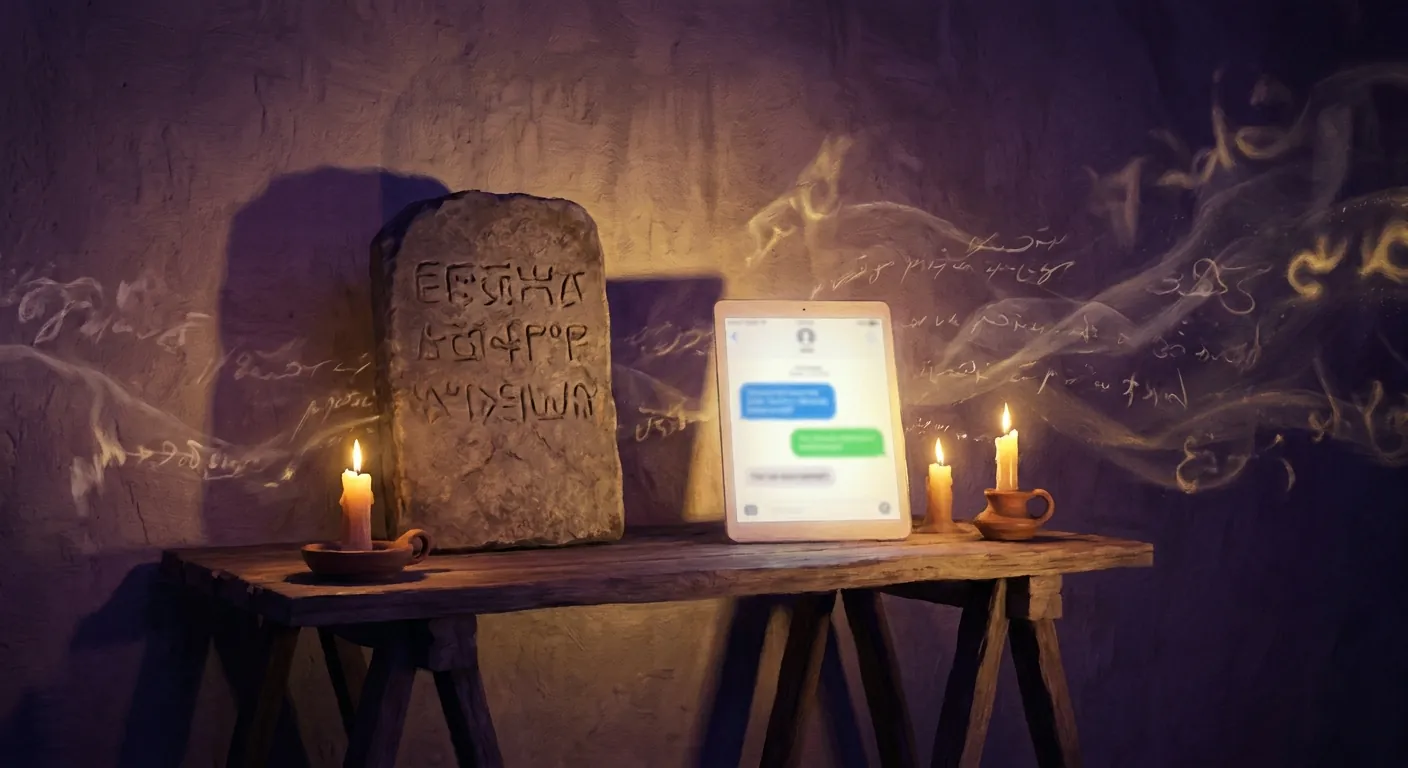
How do you warn someone 10,000 years from now?
What disappears when a language dies — and it's not just vocabulary
On the things we write but never send, and the office that read them for us
A partial and increasingly unhinged list
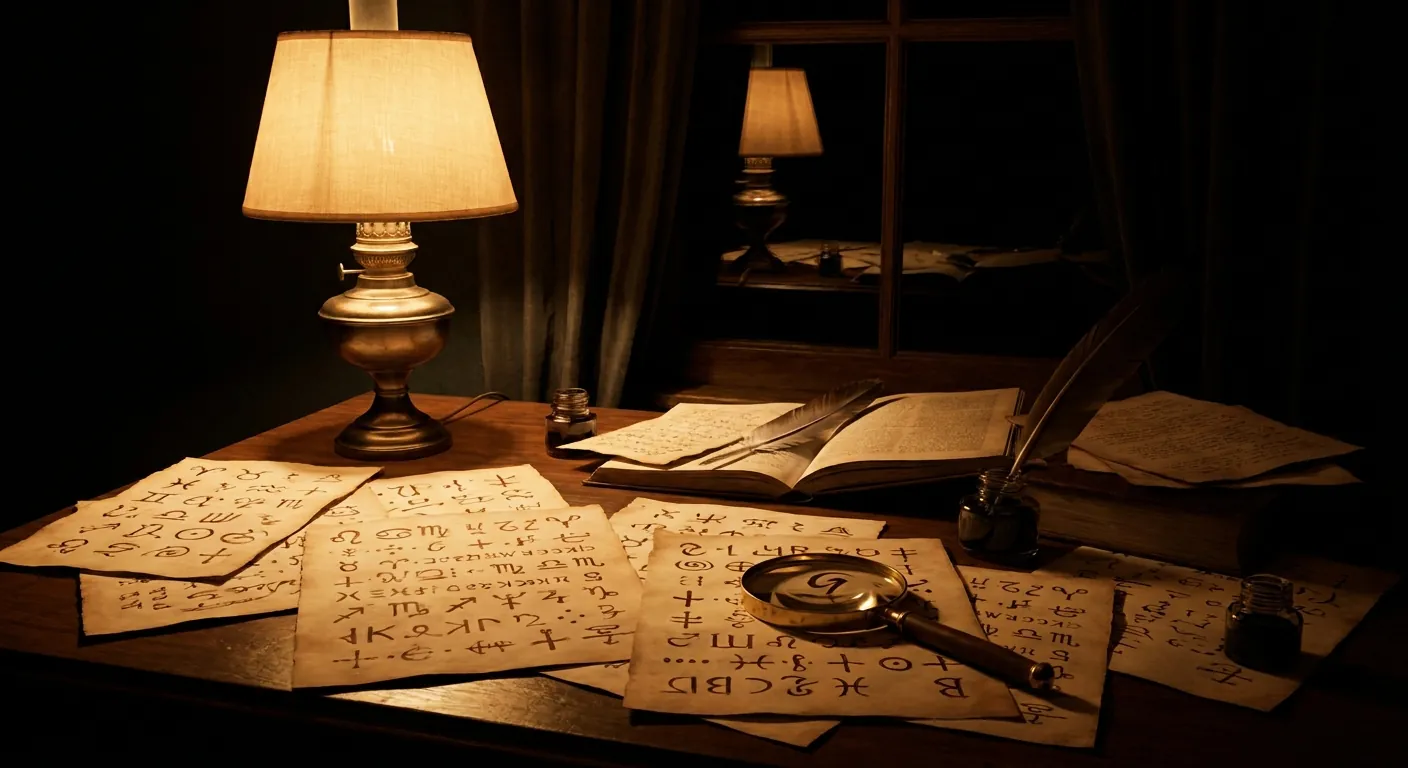
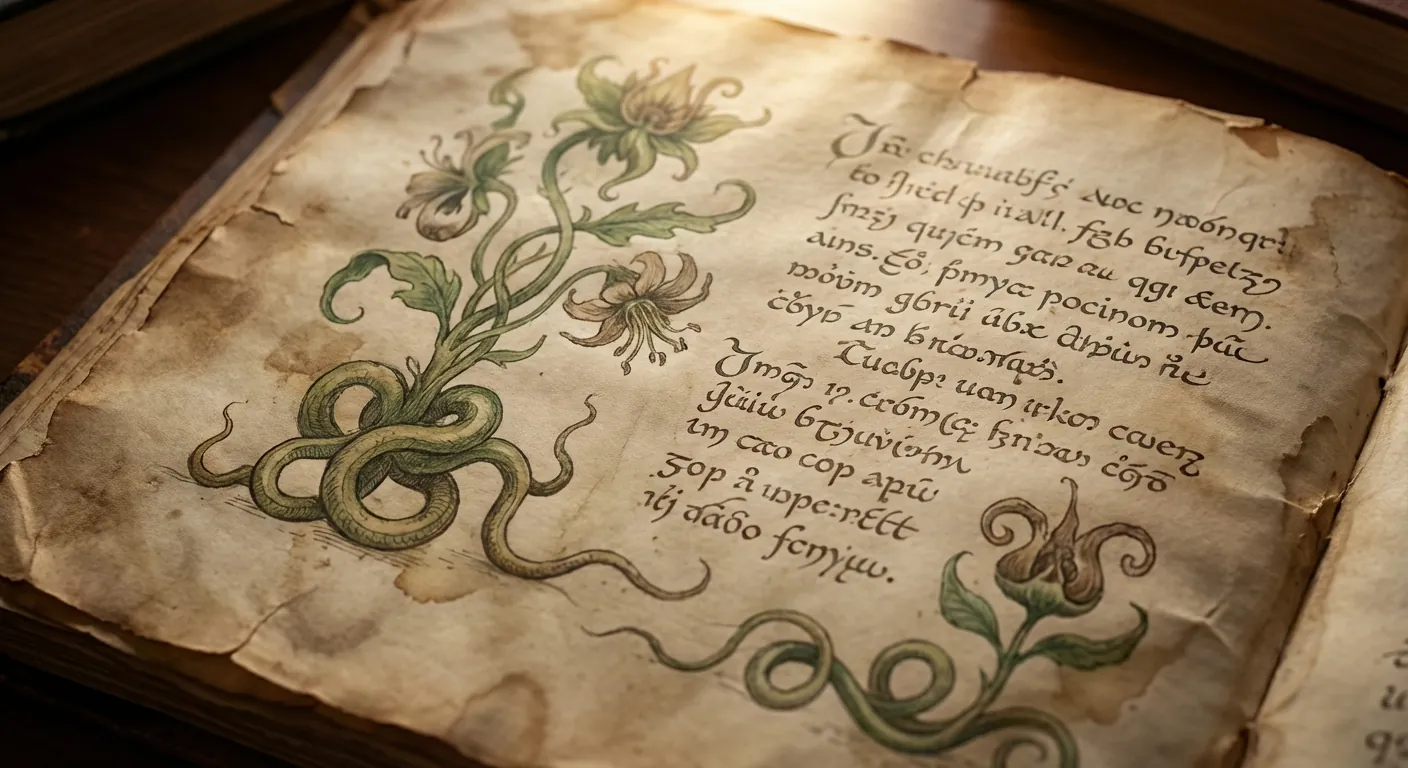
600 years of the Voynich Manuscript, and we still don't know what it says
An original poem